


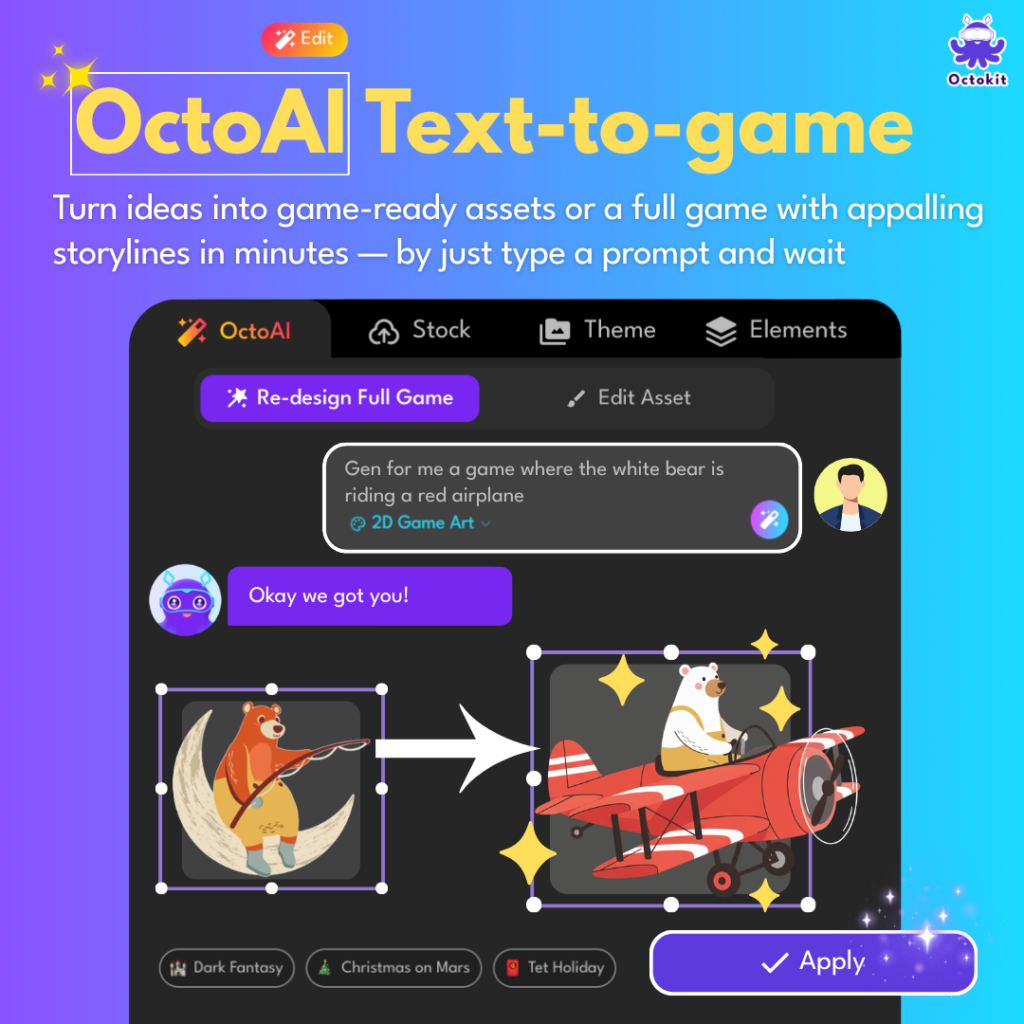
Every year, brands invest heavily in gamification campaigns — hoping to boost engagement, generate leads, and create memorable experiences.
But here’s the reality:
Most gamification campaigns underperform. Some even hurt the brand.
After analyzing dozens of campaigns, the failure usually comes down to three common mistakes.
🚫 Mistake #1: The Game Has Nothing to Do with the Brand
You’ve seen it before:
- A skincare brand using a spin-the-wheel
- A finance company doing a scratch card giveaway
- A B2B brand running a random quiz
Now ask yourself:
Could these campaigns belong to any brand?
If the answer is yes — that’s the problem.
This is called decorative gamification. The game is just added on top, instead of being part of the story.
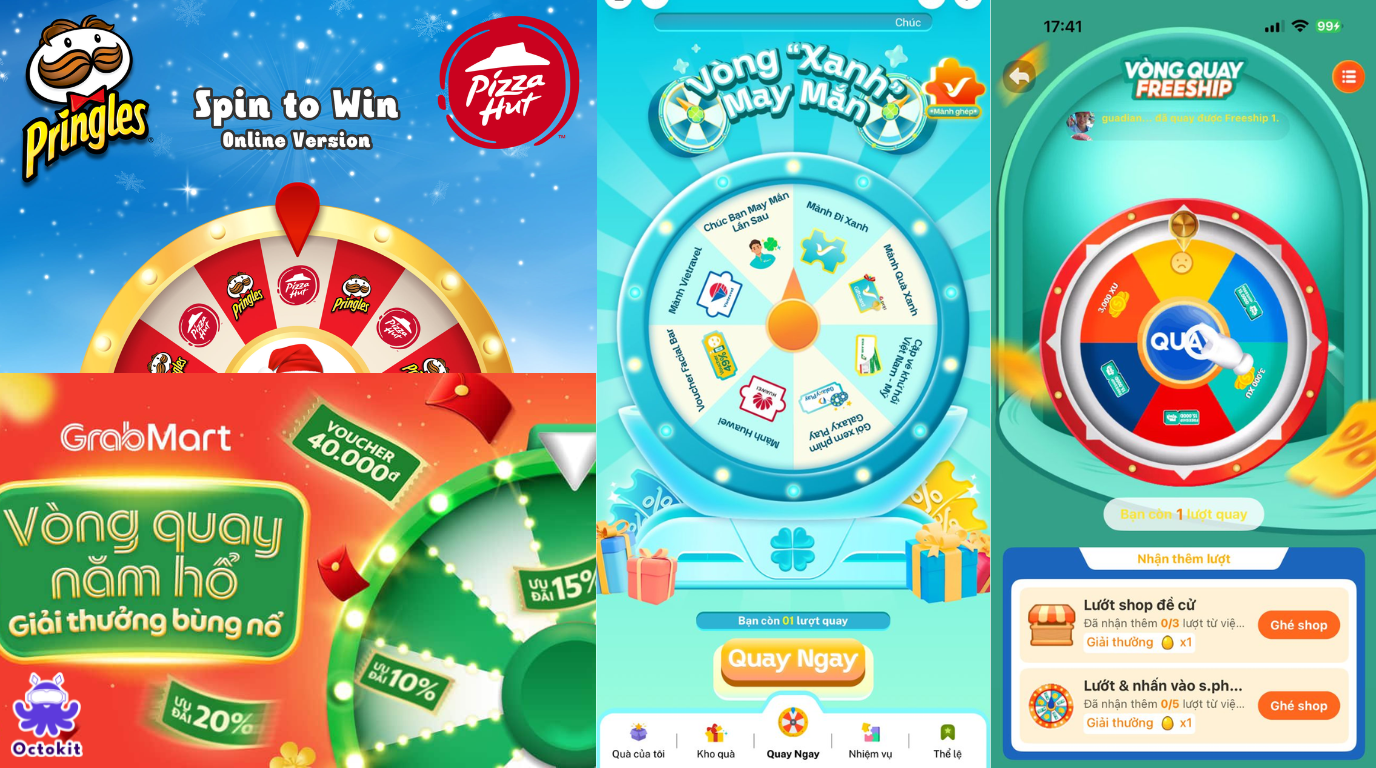
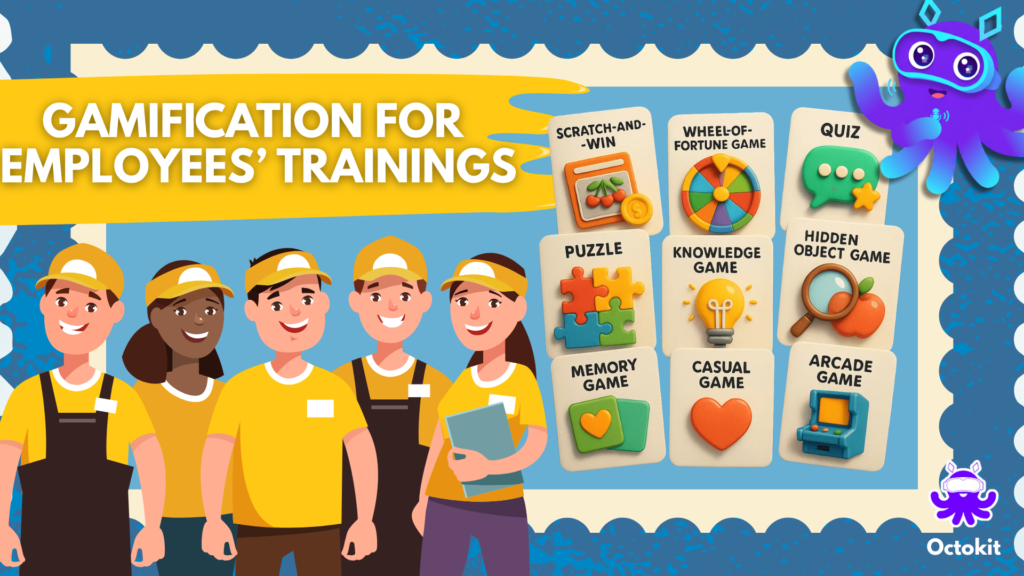
Spinning wheels are one of the most common gamification mechanics — and that’s exactly why no brand stands out using them
👉 What actually works:
The game should be the message, not just a delivery tool.
- A quiz should teach something meaningful about your product
- A challenge should simulate the real problem your product solves
- The experience should feel uniquely tied to your brand
💡 Think of it this way:
Don’t gamify your campaign.
Turn your campaign into a game.
🚫 Mistake #2: Templates Kill Creativity
A common scenario:
You start with a strong creative idea…
Then your platform limits you to:
- Spin-the-wheel
- Scratch cards
- Basic quizzes
So what happens?
Your story gets simplified.
Your brand voice disappears.
Your campaign starts looking like everyone else’s.
👉 The real issue isn’t your idea — it’s the tool and the building costs.
✅ What to look for instead:
A platform that lets you build freely around your story, not squeeze into templates:
- Custom narrative triggers at meaningful moments in the game
- Character dialogue that carries your brand voice
- Encounter sequences you control from beginning to end
- The ability to mix content types — story, quiz, interaction, form — in any order
💡 If your tool limits your creativity, your campaign will always feel generic.
Curious what that looks like in practice?
Take a look at Octokit — built for story-driven game campaigns.
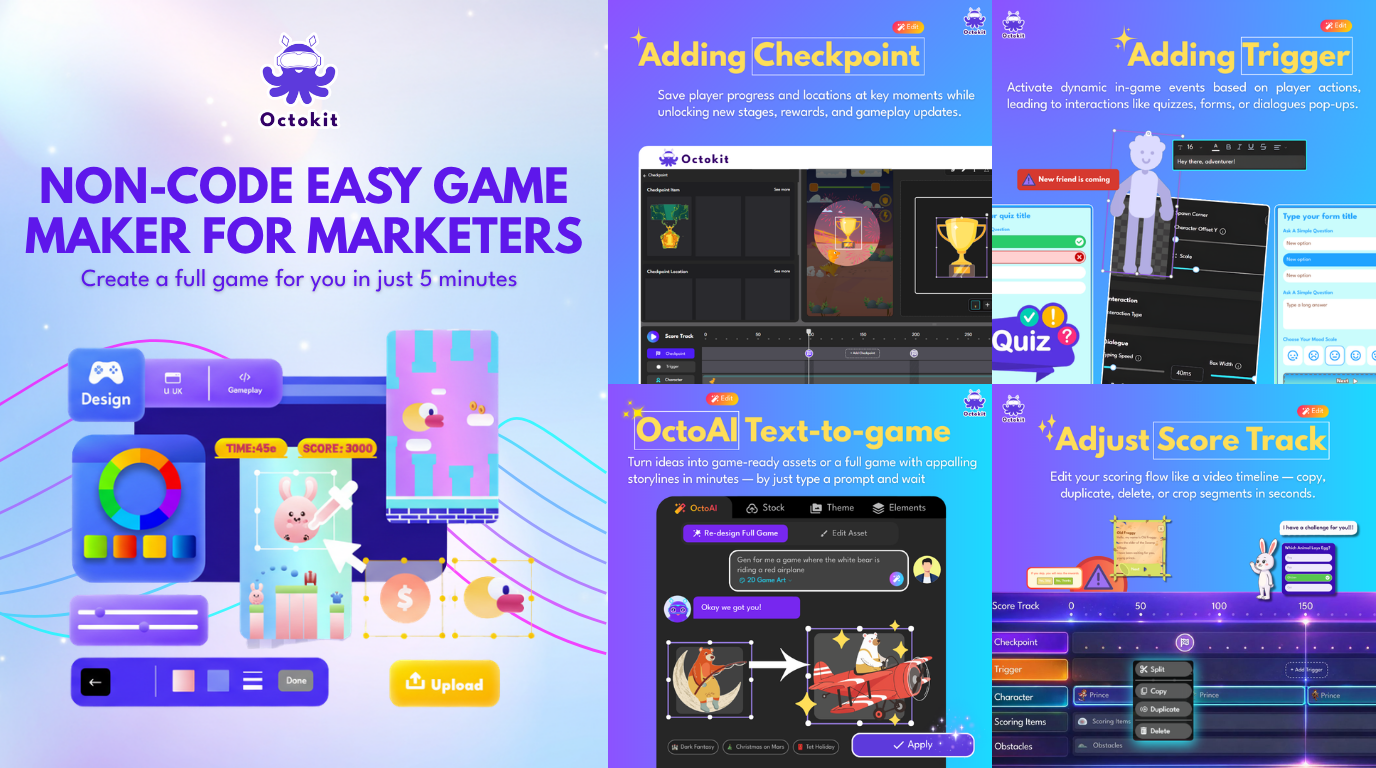
Octokit is built to remove template limitations — so brands can create games around their story, not fit their story into a format.
🚫 Mistake #3: No Data = No Learning
Gamification isn’t just about engagement — it’s about insight.
If your campaign only tracks:
- Number of plays
- Completion rate
Then you’re missing huge opportunities.
👉 What you should be tracking:
- Where players drop off (checkpoint analysis)
- How users answer questions (not just right/wrong)
- Player segments by performance
- When users convert (and at what moment in the journey)
💡 The game gets attention.
The data drives decisions.
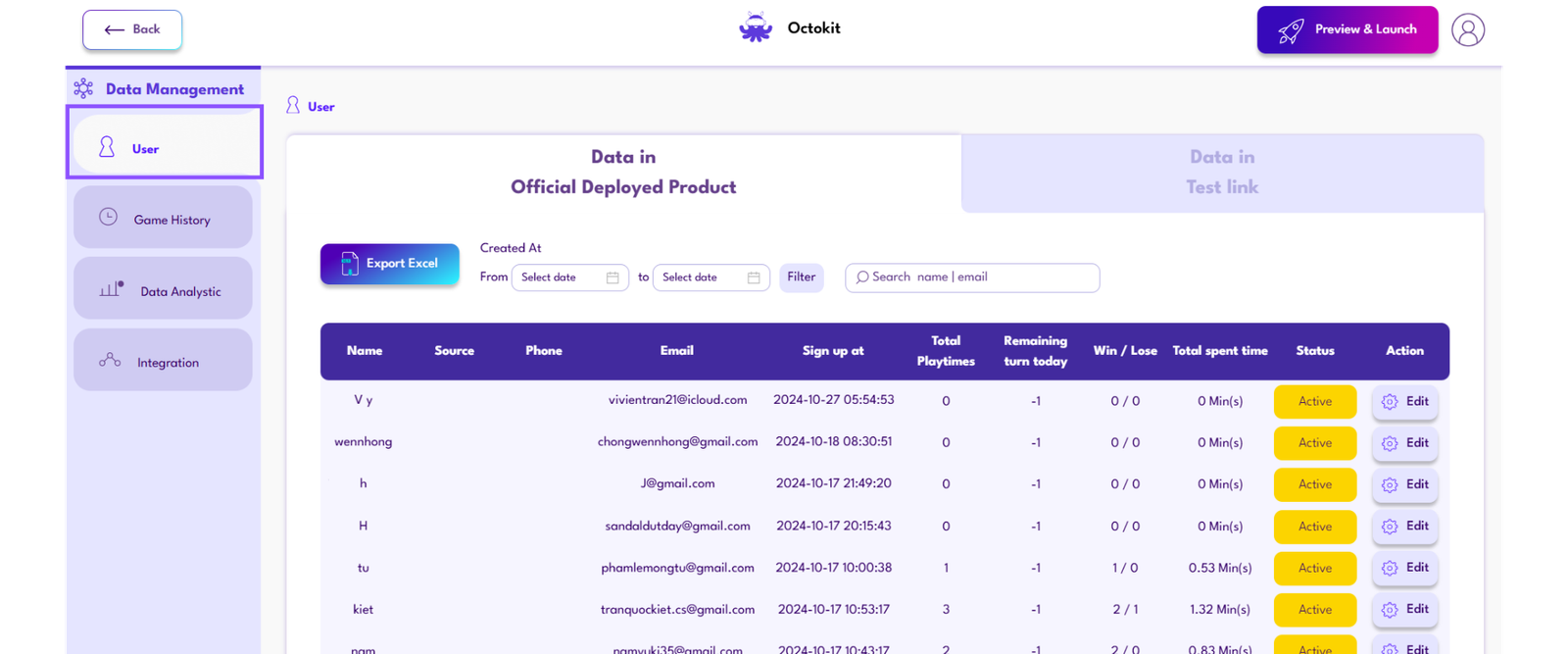
Data management is what turns player behavior into actionable insights — shaping how brands optimize campaigns and make smarter decisions.
✅ What Actually Works: The Winning Framework
Successful gamification campaigns are built on 3 key pillars:
1. Story + Mechanic = One
The gameplay and the brand message must be inseparable.
👉 If you remove branding and can’t tell whose campaign it is — it’s not strong enough.
2. Creative Freedom
Your tool should adapt to your idea — not the other way around.
👉 If you’re simplifying your idea to fit the platform, you’re using the wrong platform.
3. Real Campaign Data Layer
Go beyond vanity metrics.
You need:
- Meaningful analytics
- Player tracking
- Smart reward systems
- Actionable insights after the campaign
❓ Is Gamification Still Worth It in 2026?
Yes — but expectations are higher.
Players have seen everything:
- Spin-the-wheel
- Lucky draw
- Basic quizzes
👉 What works now is:
- Strong storytelling
- Meaningful interaction
- Personalized experiences
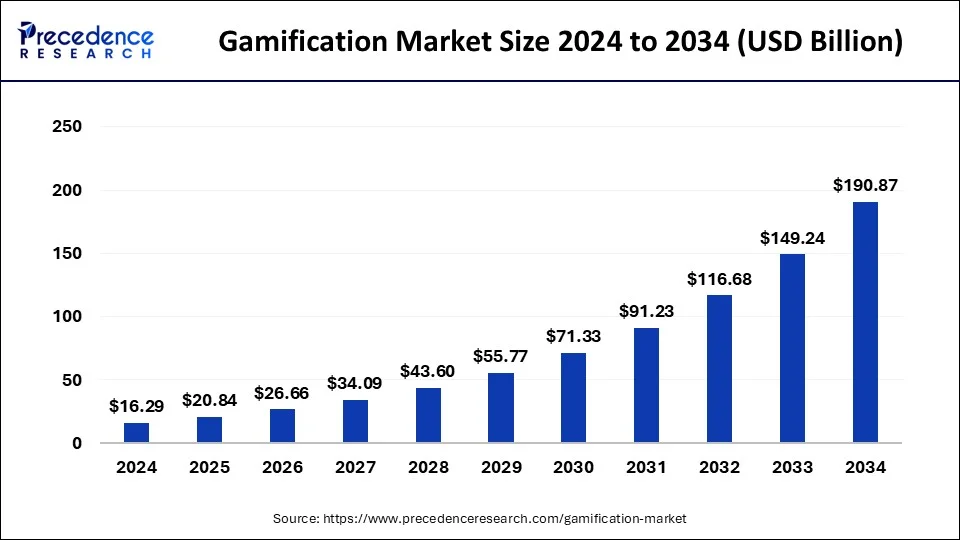
Gamification isn’t slowing down — the market is growing fast, and so are audience expectations
🚀 What to Do Next
If your last gamification campaign didn’t perform as expected, start by asking the right questions:
🔍 Could your game belong to another brand?
→ If yes, your mechanic isn’t tied to your story.
🧩 Did you simplify your idea to fit a template?
→ If yes, your tool is limiting your creativity.
📊 Do you know where users dropped off — and why?
→ If no, you’re missing the insights that actually matter.
The good news?
Better gamification doesn’t require a bigger budget.
It requires stronger storytelling, more flexible tools, and smarter use of data.
Fix these — and your next campaign won’t just get attention,
it’ll create real impact.
 Back
Back