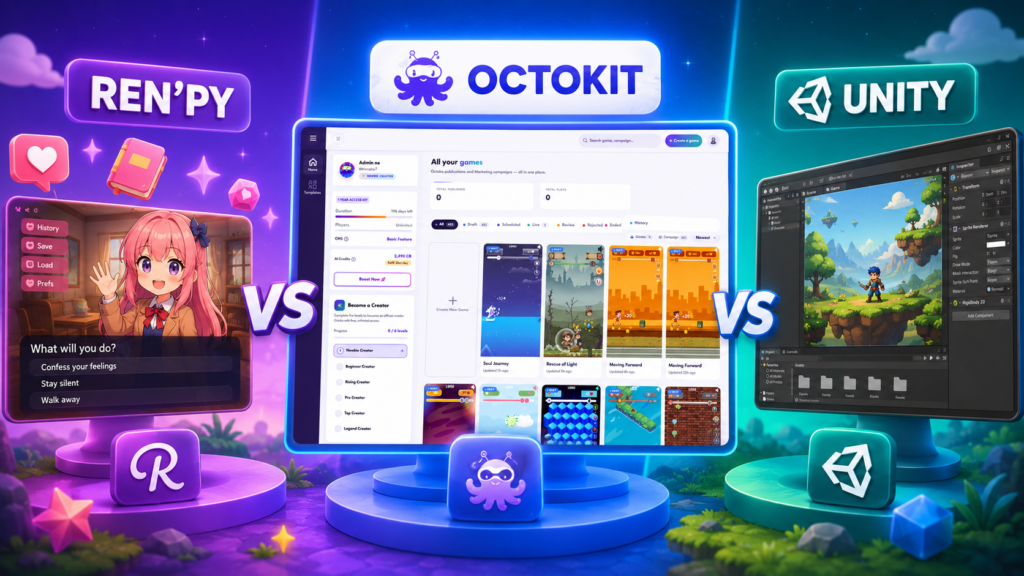



Not long ago, building a branded mini-game meant long timelines, heavy production, and a lot of compromise.
Marketers had ideas.
Agencies had concepts.
But execution? That usually meant weeks of development, multiple vendors, and a bloated budget.
Fast forward to 2026, and the rules have changed.
AI is quietly redefining how brands build mini-games, gamification campaigns, and interactive experiences — turning what used to be complex into something fast, flexible, and scalable.
And mini-games are no longer “nice-to-have.”
They’re becoming a core marketing asset.
Why Mini-Games Matter More Than Ever in Modern Marketing
Consumers today don’t want to be talked at — they want to interact.
Across industries, brands are shifting from passive formats (banners, static landing pages, long forms) to interactive marketing experiences that feel:
𓈒 Playful
𓈒 Personalized
𓈒 Rewarding
𓈒 Easy to engage with
Mini-games sit right at the center of this shift.
They work because they compress value into seconds:
𓈒 A few taps
𓈒 A moment of joy
𓈒 A clear reward or outcome
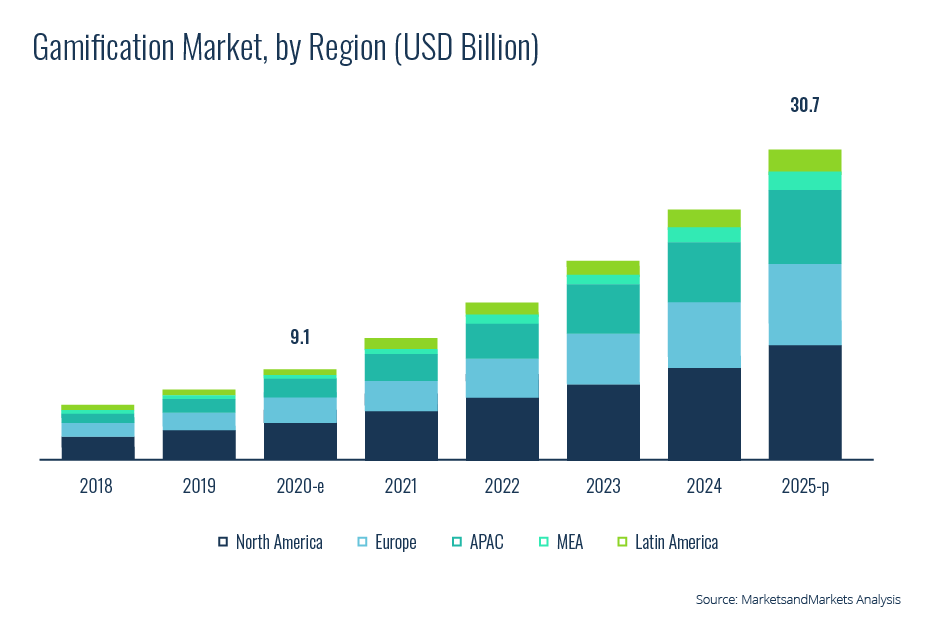
This is why gamification marketing, short-form games, and arcade-style brand mini-games are now driving higher engagement, longer dwell time, and stronger brand recall — especially during peak moments like Christmas, New Year, product launches, and sales campaigns.
The Old Way vs. The AI-Powered Way of Building Games
The Traditional Way
Let’s be honest — most marketers know this pain well:
𓈒 Long ideation → development → QA cycles
𓈒 High dependency on technical teams
𓈒 Hard to iterate once the campaign is live
𓈒 Not scalable for short-term or seasonal campaigns
Great ideas often died before they launched.

The AI-Driven Shift
AI flips this process entirely.
Instead of starting from scratch every time, AI-powered platforms now help brands:
𓈒 Translate ideas into playable logic faster
𓈒 Customize visuals and flows without code
𓈒 Adapt games to different audiences, seasons, and markets
𓈒 Launch campaigns in minutes, not months
This is where AI-powered gamification platforms come in — and where Octokit is shaping the future.

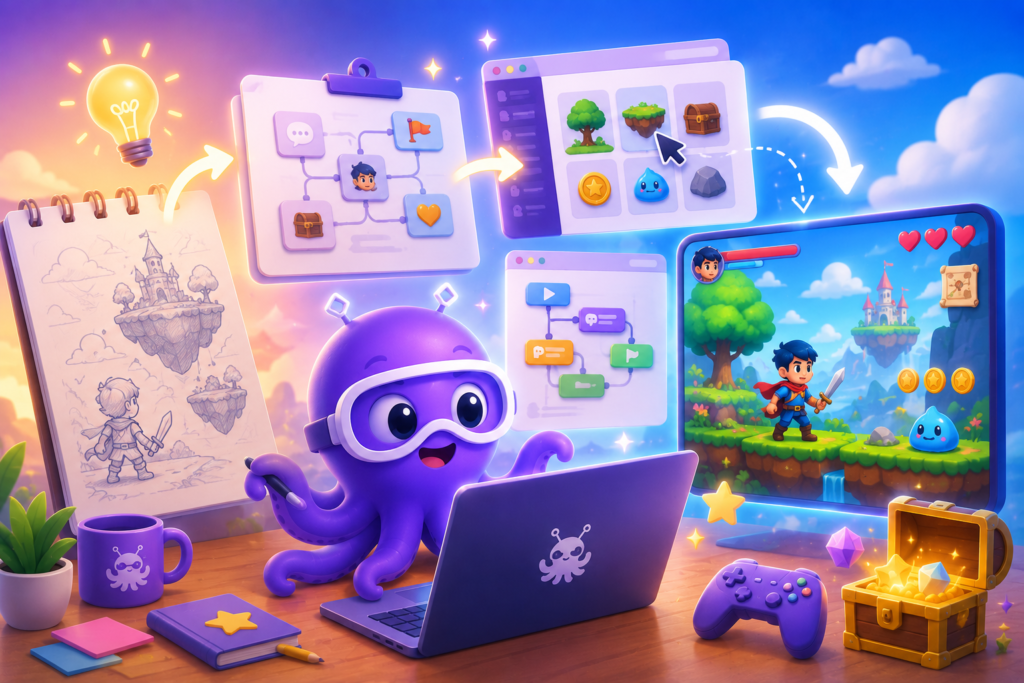
From Concept to Playable Game — In Minutes
With modern AI-assisted tools, creating a mini-game now looks more like this:
1- Define the goal
(Engagement, lead collection, training, awareness, loyalty)
2- Choose an interactive format
(Arcade game, lucky wheel, memory match, short challenge, leaderboard-based play)
3- Customize the experience
Branding, colors, copy, rewards, and rules — no heavy dev required
4- Launch instantly
Web-based, mobile-friendly, QR-ready, event-ready
This shift empowers marketers, brands, and agencies to move at the speed campaigns actually require.

Why AI Changes Everything for Brands and Agencies
AI doesn’t replace creativity — it removes friction.
Here’s what AI brings to gamification marketing:
𓈒 Faster campaign turnaround
𓈒 Lower production cost
𓈒 Easier A/B testing and iteration
𓈒 Better alignment with short-term events (Christmas, New Year, Black Friday)
𓈒 More room for experimentation
Instead of asking “Can we build this?”, teams now ask “What should we try next?”
That mindset change is powerful.

Octokit: Where AI Meets Gamified Marketing
Octokit is built for this new era — often described as the “Canva of branded mini-games.”
It helps brands and agencies create interactive, gamified marketing campaigns in as little as 15 minutes, without needing technical expertise.
What makes Octokit stand out:
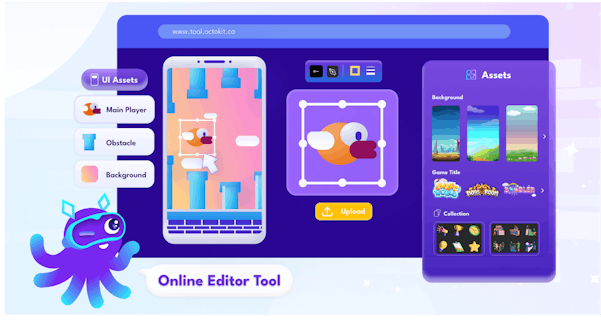
➤ Customizable game templates
Adapt visuals, mechanics, and flows to any brand or campaign
➤ Login systems & user tracking
Support CRM, loyalty, and long-term engagement strategies

➤ Popular mechanics like Lucky Wheel & Arcade Games
Proven formats that drive participation fast

➤ Reward & prize setup
Vouchers, gifts, points, or digital rewards — all configurable

➤ Leaderboards & competition layers
Encourage repeat play and social sharing

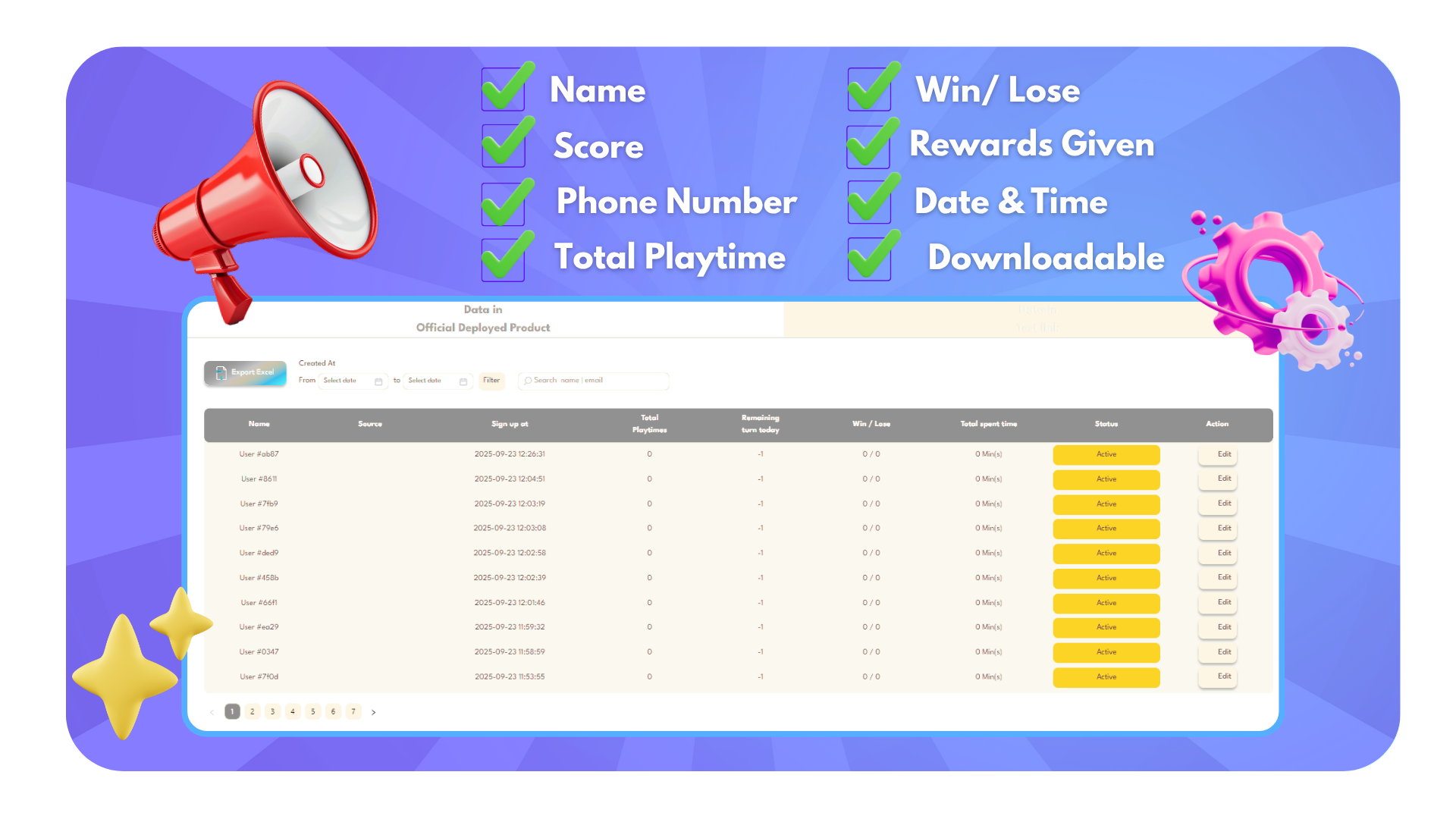
➤ CMS & analytics dashboard
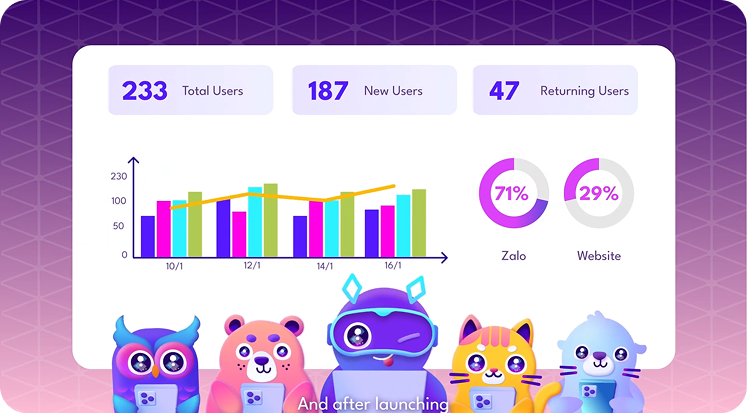
Track plays, users, engagement time, and performance in real time
And with Octokit v2 AI features rolling out this early 2026, brands will soon be able to generate game logic, layouts, and experiences even faster — letting AI handle the heavy lifting while marketers focus on storytelling and strategy.
Why This Matters for 2026 Marketing
As we move deeper into 2026, three trends are becoming impossible to ignore:
1- Attention spans are shorter
2- Campaign cycles are tighter
3- Experiences outperform messages
Mini-games powered by AI sit at the intersection of all three.
They are:
➤ Fast to launch
➤ Easy to consume
➤ Emotionally engaging
➤ Measurable
For brands, this means better ROI.
For agencies, it means faster delivery and stronger pitches.
For users, it simply feels more fun.
The Future of Mini-Games Is Fast, Smart, and Human
AI isn’t making marketing colder — it’s making it more human.
By removing technical barriers, platforms like Octokit allow brands to focus on what really matters:
-
Creating moments of joy
-
Building emotional connections
-
Turning campaigns into experiences
From idea to launch in minutes isn’t just a productivity win.
It’s a creative advantage.
And in a crowded digital world, that advantage matters more than ever.

 Back
Back