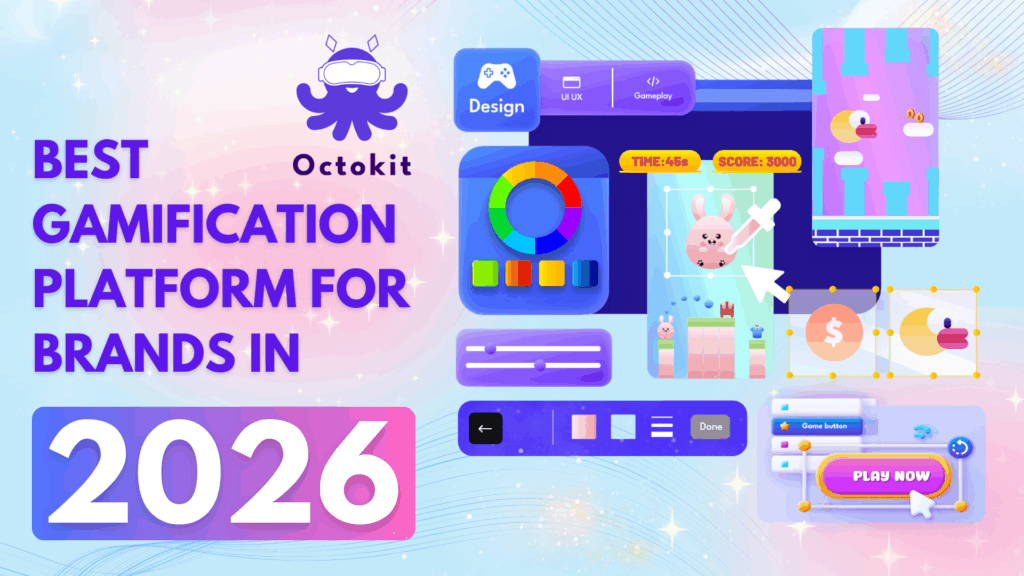



Gamification has long been a powerful tool for brands to increase engagement, retention, and emotional connection. Mini-games, lucky wheels, quizzes, and interactive challenges have helped campaigns stand out in crowded digital spaces.
But as we move into 2026, traditional gamification is no longer enough.
Static mini-games — built once, launched once, and rarely optimized — are giving way to AI-powered gamification, where brand experiences become adaptive, personalized, and faster to launch than ever before.
This shift is redefining how brands and agencies design interactive campaigns.
The Problem With Traditional Gamification
While gamification is proven to boost engagement, many brands still face the same challenges:
-
High production cost for custom games
-
Long development timelines (weeks or months)
-
One-size-fits-all experiences for diverse audiences
-
Limited flexibility once a campaign goes live
In a world where consumer attention is shrinking and campaigns need to launch fast — especially during peak seasons like Christmas, New Year, or major brand moments — static games simply can’t keep up.
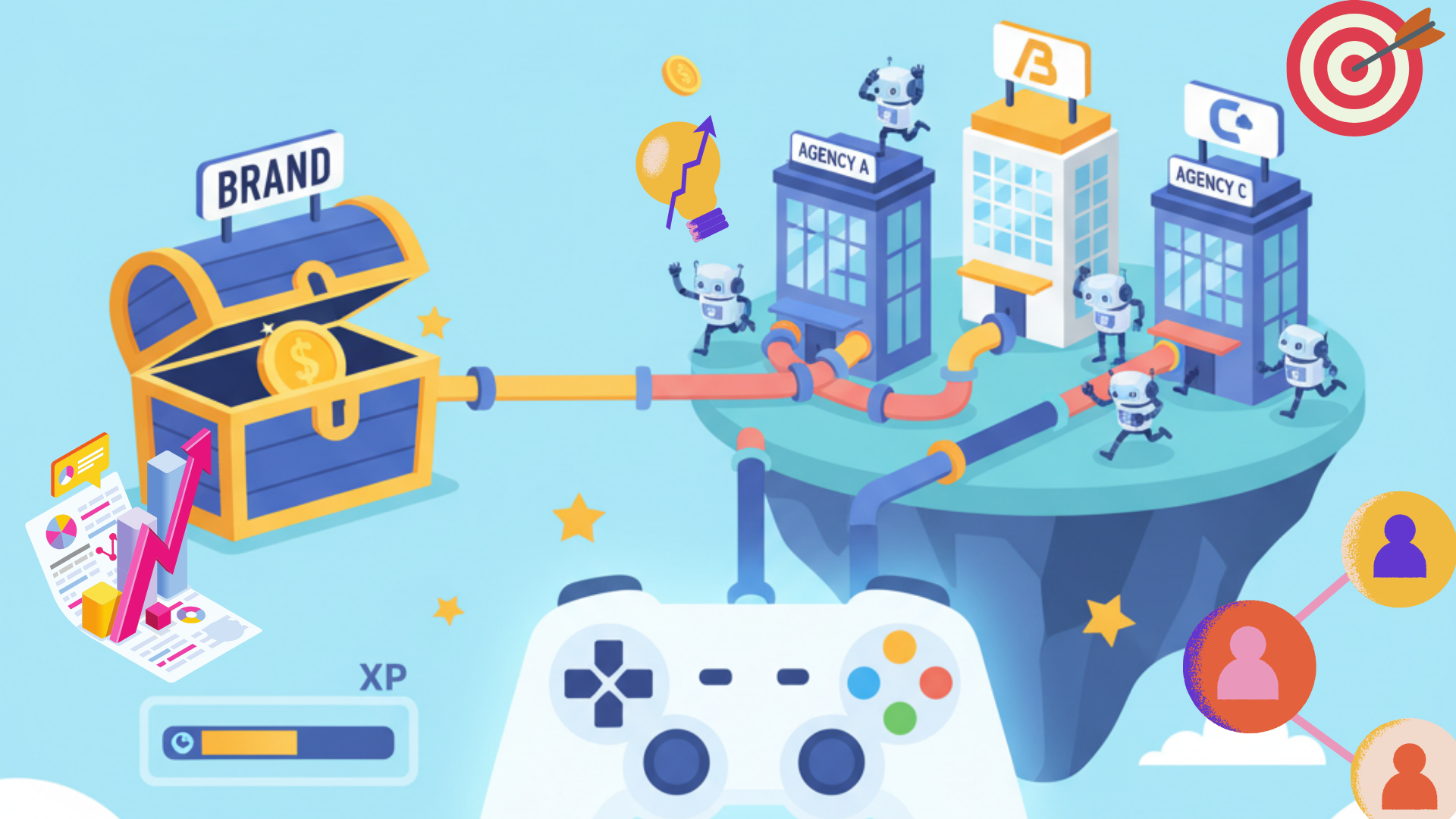
Traditional gamification often locks brands into rigid, costly, and slow-to-adapt game systems — making it hard to respond quickly to changing audiences, tight timelines, and high-pressure seasonal campaigns
That’s where AI enters the picture.
AI Is Turning Gamification Into a Living Experience
AI is transforming gamification from a fixed mechanic into an adaptive brand experience.
Instead of building games manually from scratch, AI now supports brands in:
-
Designing game interfaces automatically
-
Generating game logic and flow based on objectives
-
Adapting visuals, difficulty, and narratives to different audiences
-
Shortening time-to-launch from weeks to minutes
In short, AI turns gamification into a system — not a one-off campaign.
This evolution allows brands to focus less on technical execution and more on creativity, storytelling, and strategy.

From Static Mini-Games to Adaptive Brand Experiences
Here’s how AI changes the gamification journey:
1. Smarter Game Design
AI can generate 2D game interfaces, layouts, and visual structures aligned with brand identity — without needing a full design team.
2. Prompt-Based Game Scenarios
Instead of writing long briefs, marketers can simply describe:
-
Campaign goal
-
Target audience
-
Event or season
-
Desired reward mechanics
AI then translates these inputs into game flows, challenges, and reward logic.
3. Faster Experimentation
Brands can test multiple game ideas quickly:
-
Arcade games
-
Lucky spins
-
Memory match
-
Short AR mini-games
All without rebuilding from zero.
4. More Personalized Engagement
AI allows experiences to feel less generic — adapting pacing, messaging, and interaction styles to different users or markets.

Where Octokit Leads the AI-Powered Gamification Shift
This is exactly where Octokit is positioning itself as a pioneer in AI-driven gamification.
Octokit is not just a game builder — it’s becoming the “Canva” of branded gamification, enhanced by AI.
What Octokit Brings to AI Gamification
1. AI-Supported 2D Game Design
Octokit helps brands automatically design the full 2D interface of a mini-game — from layout to visual structure — aligned with brand identity.

2. Prompt-Based Game Scenario Creation
Marketers can input prompts such as:
“A Christmas arcade game for Gen Z, with light competition and gift rewards.”
From there, Octokit supports:
-
Game flow structure
- Full 2D interface
-
Interaction mechanics
-
Reward logic and pacing
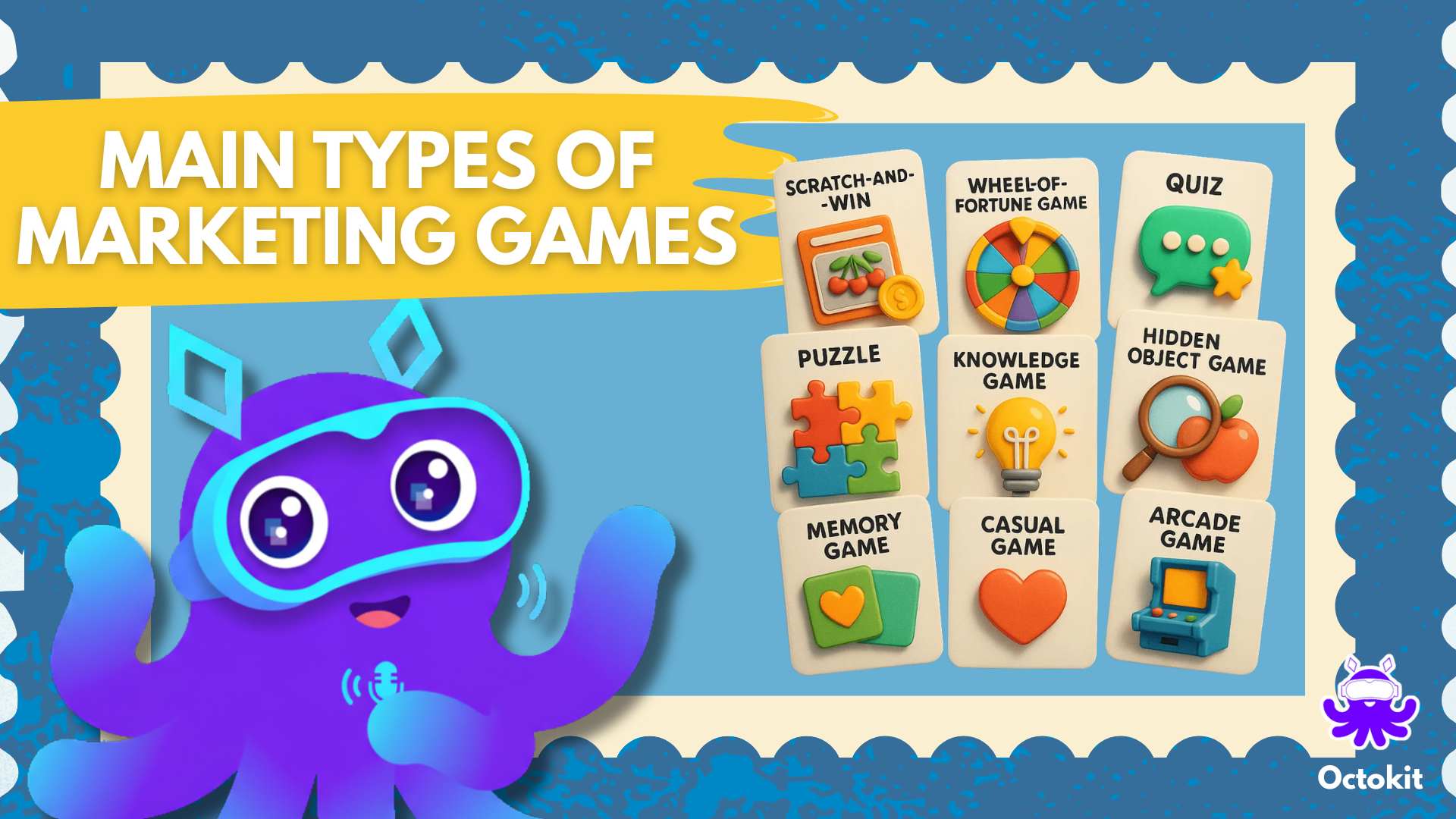
3. Ready-to-Use Game Templates
Templates aren’t fixed. They’re flexible frameworks that can be altered for:
-
Christmas & New Year campaigns
-
Product launches
-
Internal training
-
Loyalty programs
-
Education and HR engagement
All it takes is imagination.
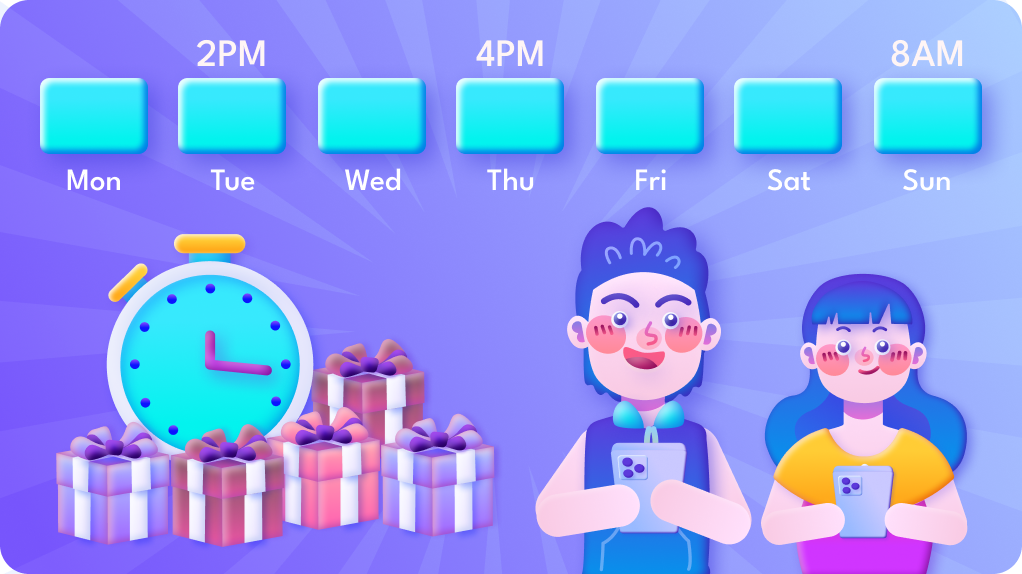
4. Built-In Engagement Features
-
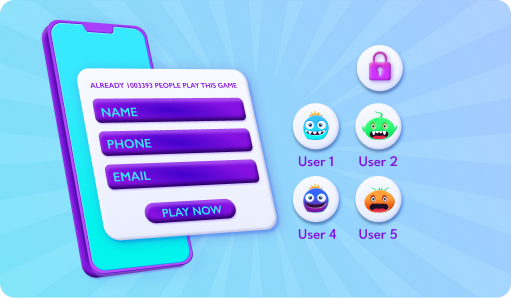
Login systems
-
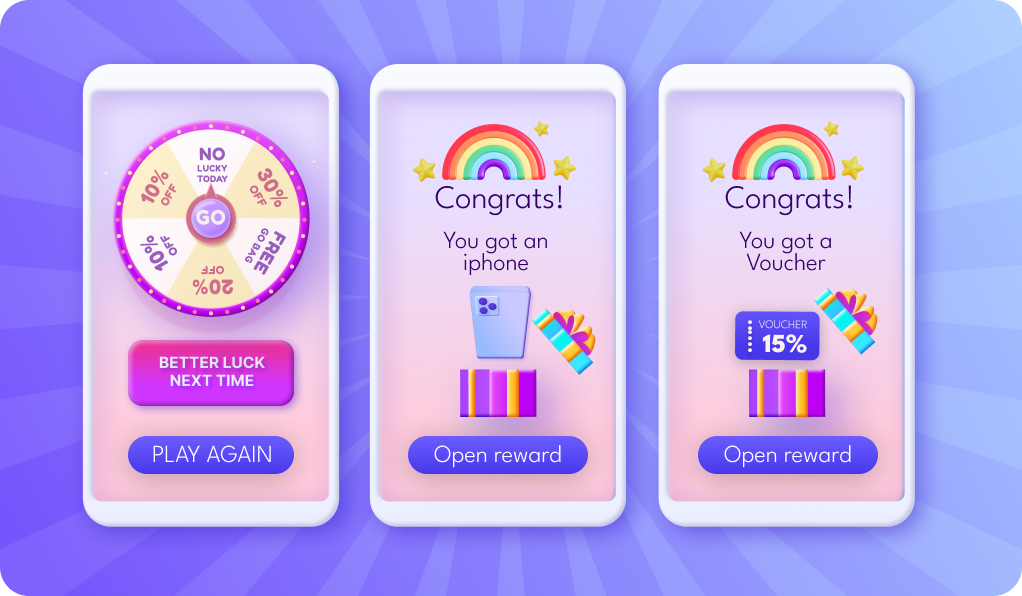
Lucky Wheel
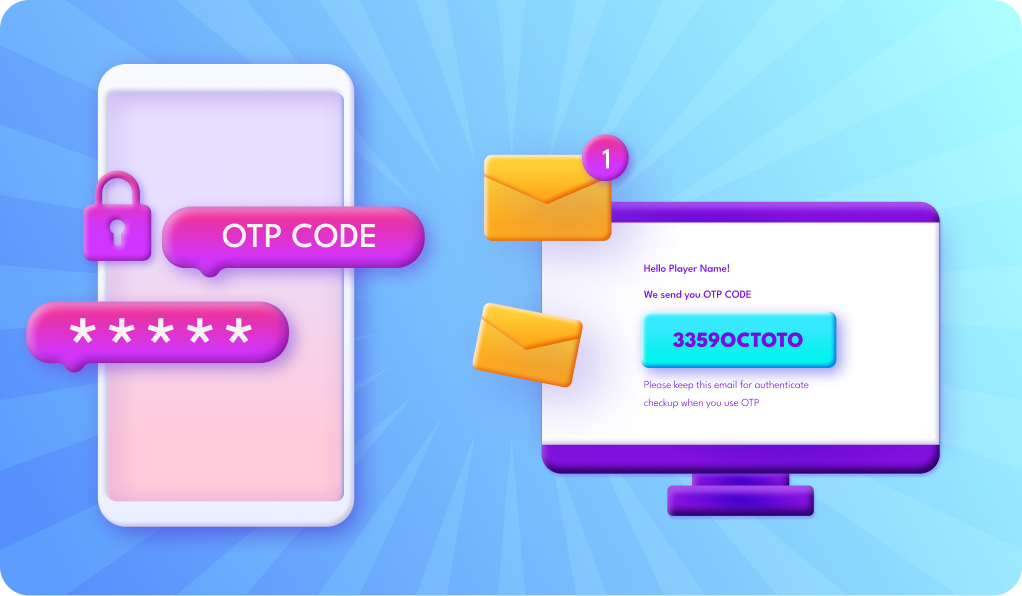
- Authenticate by email & phone
-
Leaderboards
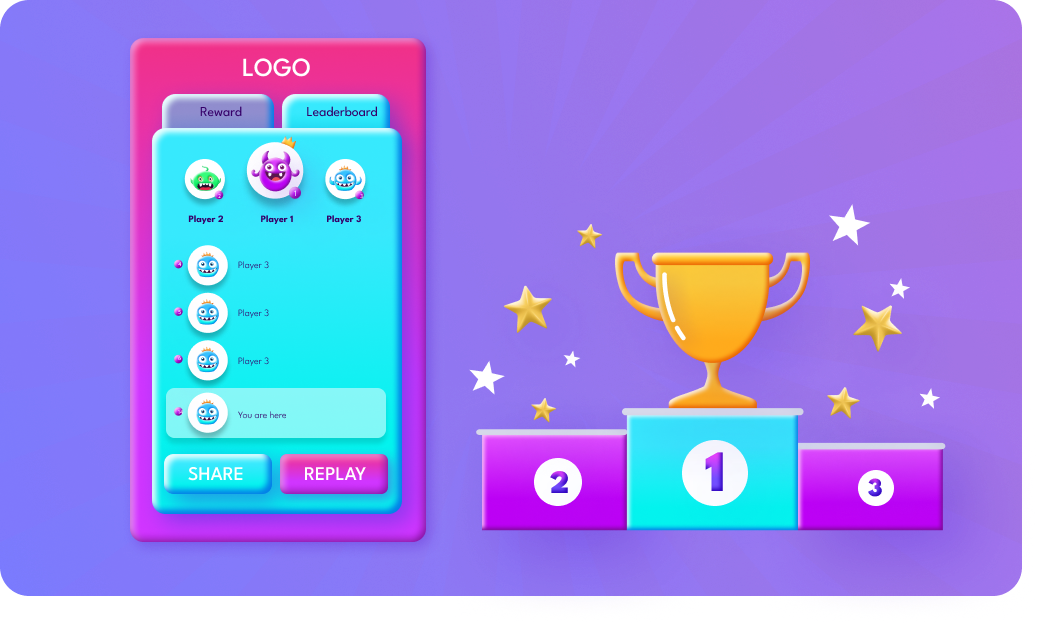
-
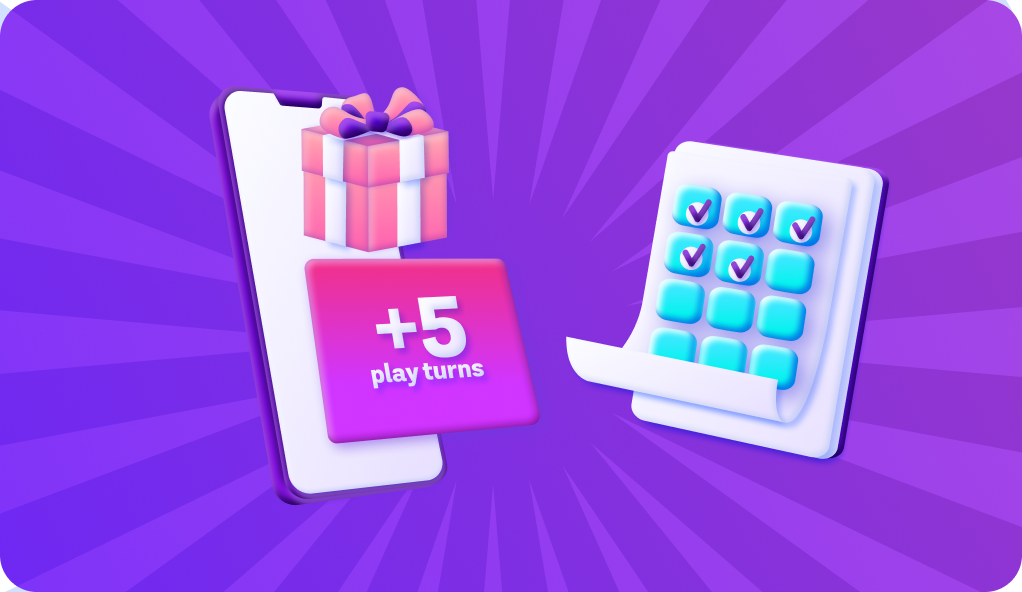
Reward and voucher setup/ Countdown board

-
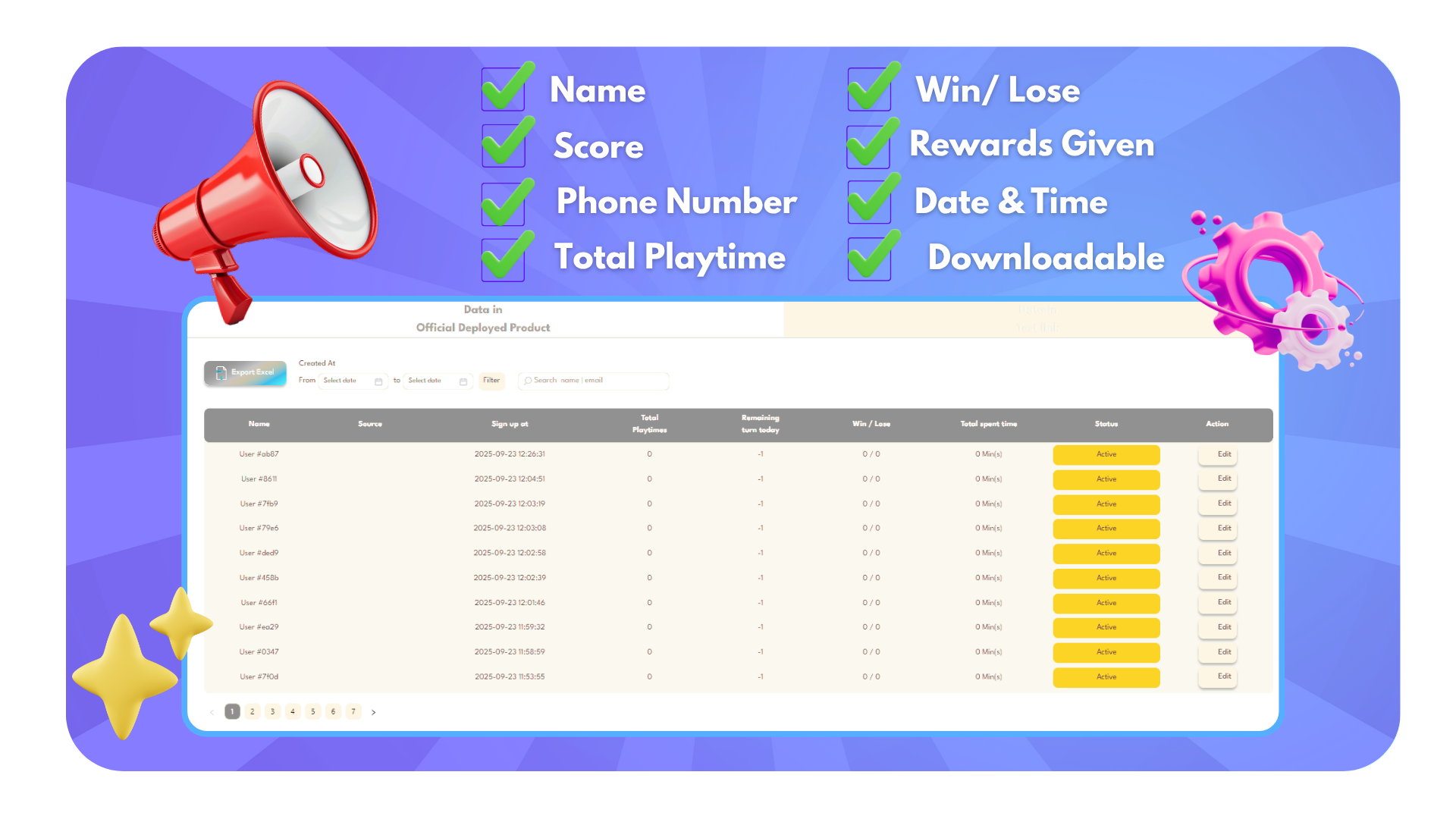
CMS to track user gameplay data
- OTP Check
5. Launch in Minutes, Not Months
With AI support and no-code tools, brands and agencies can launch a full gamified campaign in as little as 15 minutes.

Why This Matters for Brands & Agencies in 2026
As marketing moves faster and audiences demand more meaningful interactions, speed and personalization become competitive advantages.
AI-powered gamification allows brands to:
-
React faster to trends and seasons
-
Create interactive experiences without heavy tech teams
-
Deliver joy, play, and rewards — not just ads
For agencies, it means:
-
Faster pitching
-
Scalable creative ideas
-
Higher perceived value for clients
Gamification is no longer a “nice-to-have.”
With AI, it’s becoming a core marketing capability.
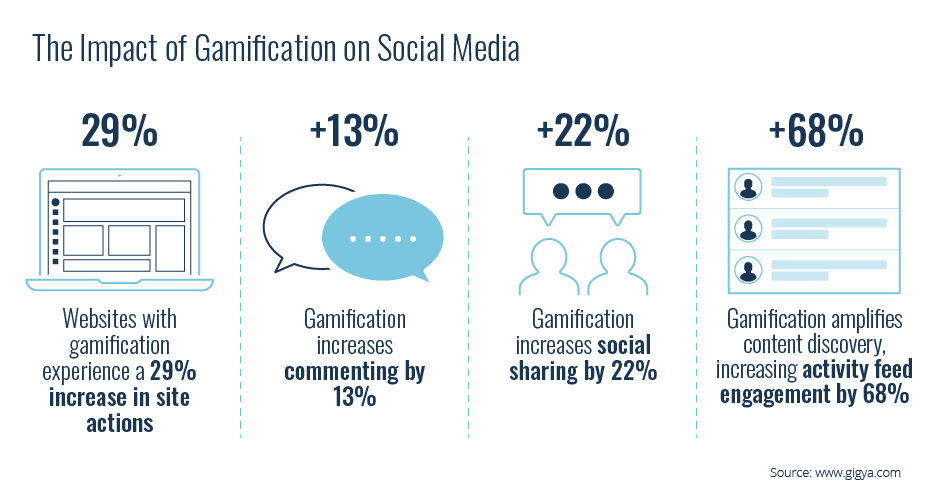
By using gamification, brands can now pull customers closer as an easy but mesmorizable way
The Future: Gamification Designed by Humans, Powered by AI
AI doesn’t replace creativity — it amplifies it.
The future of gamification isn’t about more complex games.
It’s about more human experiences, built faster, adapted smarter, and delivered at scale.
Platforms like Octokit are leading this shift — enabling brands to turn ideas into playable experiences in minutes, powered by AI and driven by imagination.
In 2026 and beyond, the brands that win won’t just tell stories.
They’ll let people play inside them.
 Back
Back