


In 2026, student engagement has become the single biggest challenge facing schools, colleges, and universities. Traditional teaching methods—lectures, slides, long reading—are no longer enough to compete with the high-speed digital world students live in. Today’s learners expect instant feedback, interaction, creativity, and active participation.
This is why gamification in education is becoming one of the most rapidly adopted solutions globally. But not gamification in the old sense of “points and badges.”
The 2026 evolution is driven by short-form learning games, interactive minigames, and AR-powered micro experiences that turn lessons into playful, memorable, and high-retention moments.

Let’s explore how gamification is reshaping classroom engagement — and why schools adopting it are seeing major improvements in motivation, attendance, academic performance, and student satisfaction.
Why Gamification Works: The Psychology Behind Engagement
Gamification taps into fundamental human psychology:
1. Instant rewards → stronger motivation
Minigames give students quick wins — progress bars, correct-answer feedback, small achievements — boosting dopamine and encouraging repeat learning.
2. Active participation → deeper understanding
Students do instead of passively listen. When learning becomes interactive, retention improves drastically.
3. Safe-to-fail environment → better experimentation
Games allow trial-and-error without punishment, encouraging students to explore, think critically, and try again.
4. Competitive + collaborative mechanics → social bonding
Leaderboards, team missions, and group challenges help students feel part of a community — especially important for Gen Z and Gen Alpha learners.
This is why game-based learning, minigame education, and AR learning games are rapidly becoming must-have tools in classrooms globally.

The Big Shift in 2026: From Long Lessons to Short Learning Games
In 2026, schools don’t need complex or expensive educational apps. The new wave is short-form interactive games — quick to launch, easy to customize, and extremely engaging.
The most popular gamification formats educators now use:
1. Minigame Quizzes
Fast-paced, reward-based quizzes with timers, multipliers, combos, and instant results.
✔ Perfect for vocabulary review, science facts, historical dates, formulas
✔ Works well for daily warm-ups and exit tickets

Kahoot is a representative of quiz gamification in classrooms
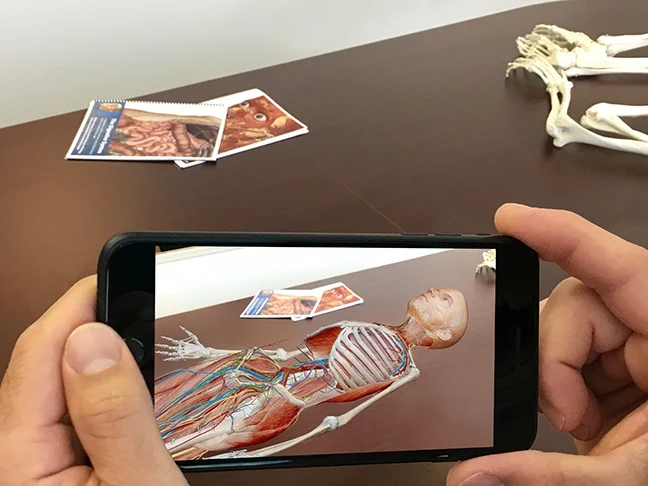
2. AR Short-Games (No App Required)
Scan a QR → play instantly.
Students can:
𓈒 Find objects around school
𓈒 Interact with 3D learning elements
𓈒 Participate in AR scavenger hunts
𓈒 Collect digital rewards
This experience is highly effective for open days, campus tours, and onboarding events.
3. Classroom Competitions
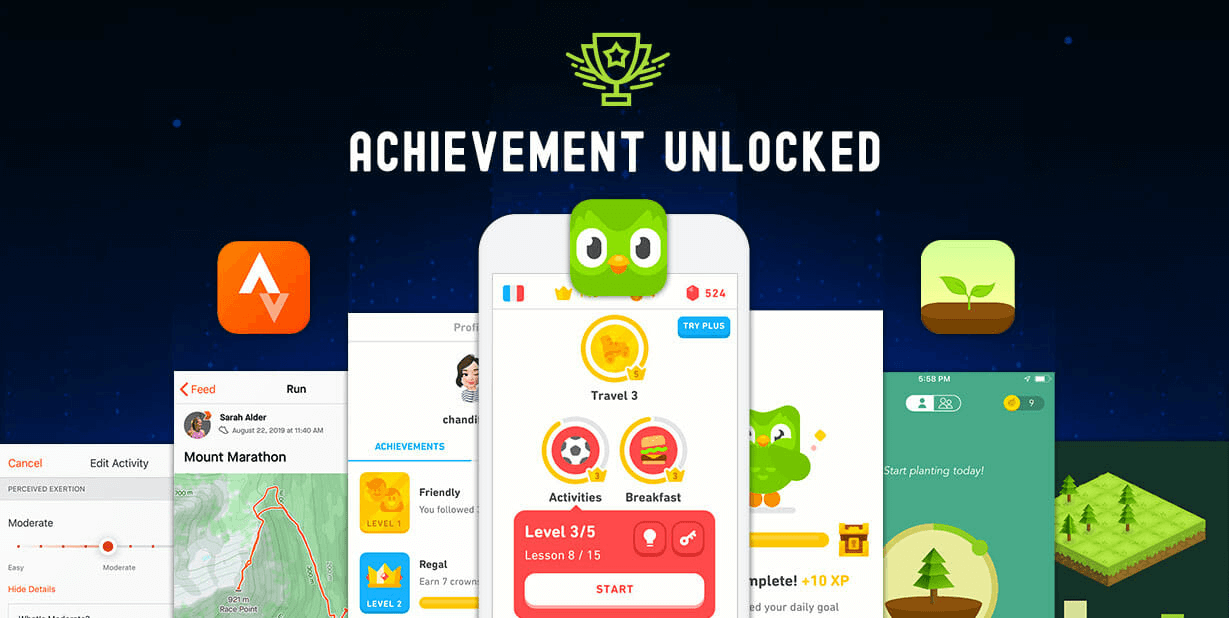
Weekly or monthly team challenges using leaderboards.
Helps boost class spirit while making learning feel like a mission.
4. Holiday Learning Games
Seasonal themes — Christmas, Back-to-School, Lunar New Year — increase excitement and creative storytelling in the classroom.

Gamification for Schools & Universities: Real Problems It Solves
Schools adopting gamification in 2026 are seeing improvements across:
✔ Student Attention
Minigames break lessons into interactive moments, reducing boredom.
✔ Learning Retention
Game-based repetition helps students remember lessons 2–3x longer.
✔ Participation (even for shy students)
Games lower pressure and make engagement feel fun instead of intimidating.
✔ Attendance & Motivation
Students look forward to classes where they know something interactive awaits.
✔ Marketing & Admissions (for Universities)
AR games and campus minigames make open days feel modern, innovative, and student-centered — boosting enrollment interest.
✔ Teacher Efficiency
Teachers can reuse templates, track results automatically, and reduce manual grading.

Game-based learning isn’t a trend—it’s how today’s students learn best, and teachers are fully embracing it
Why Students Love Minigames & AR Learning in 2026
Students value experiences that match their digital lifestyles:
🕹 Fast — quick to play, quick to learn
📱 Mobile-first — works instantly on phones
🎮 Familiar — similar to TikTok challenges, casual games
🎁 Rewarding — win streaks, badges, unlockables
🤝 Social — compete or collaborate with classmates
This is why gamified classrooms feel natural for modern learners.
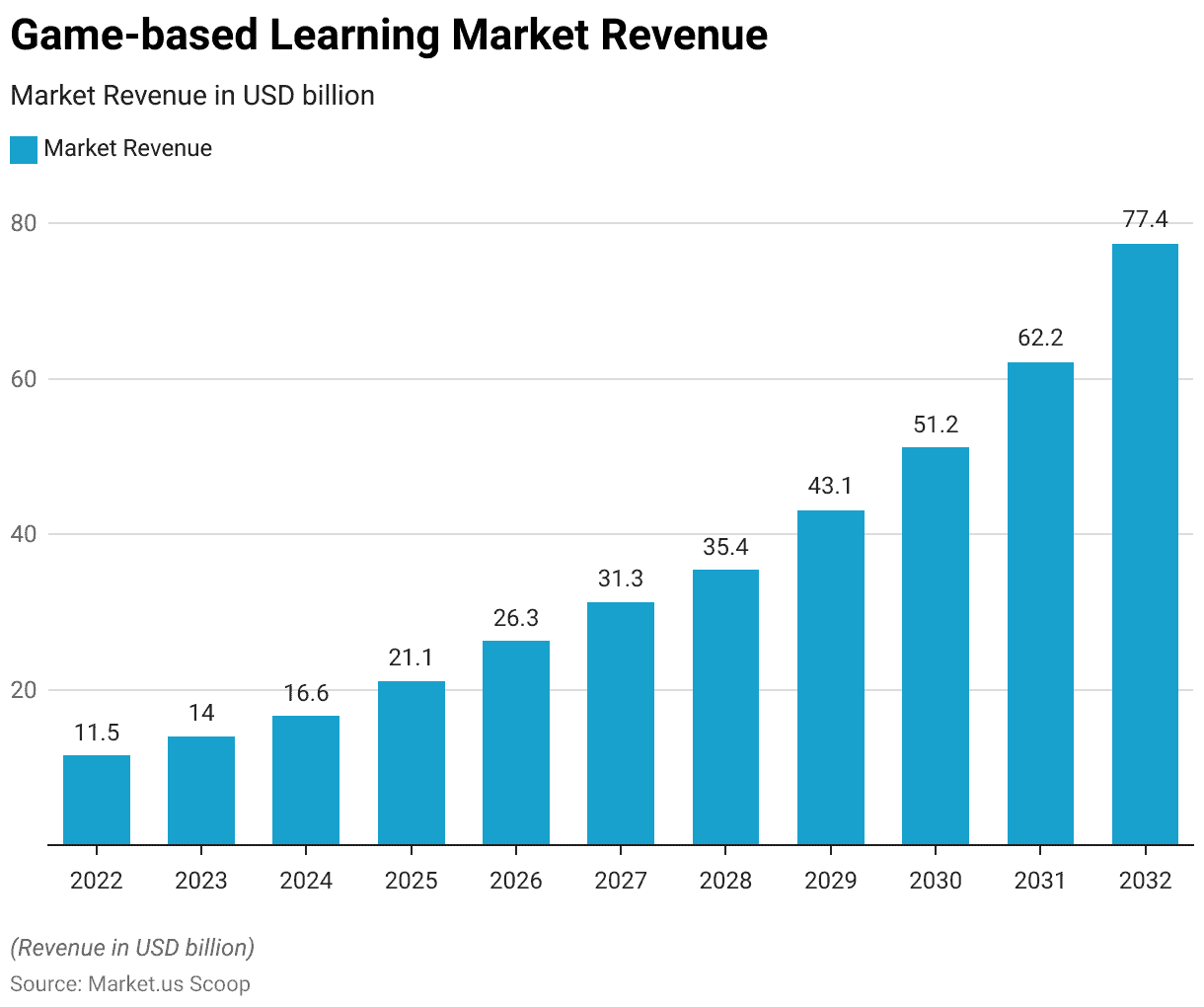
With the gamification market climbing year after year, the chart highlights why schools and universities are moving toward gamified learning as the next major education trend
How Schools Can Use Gamification for Different Objectives
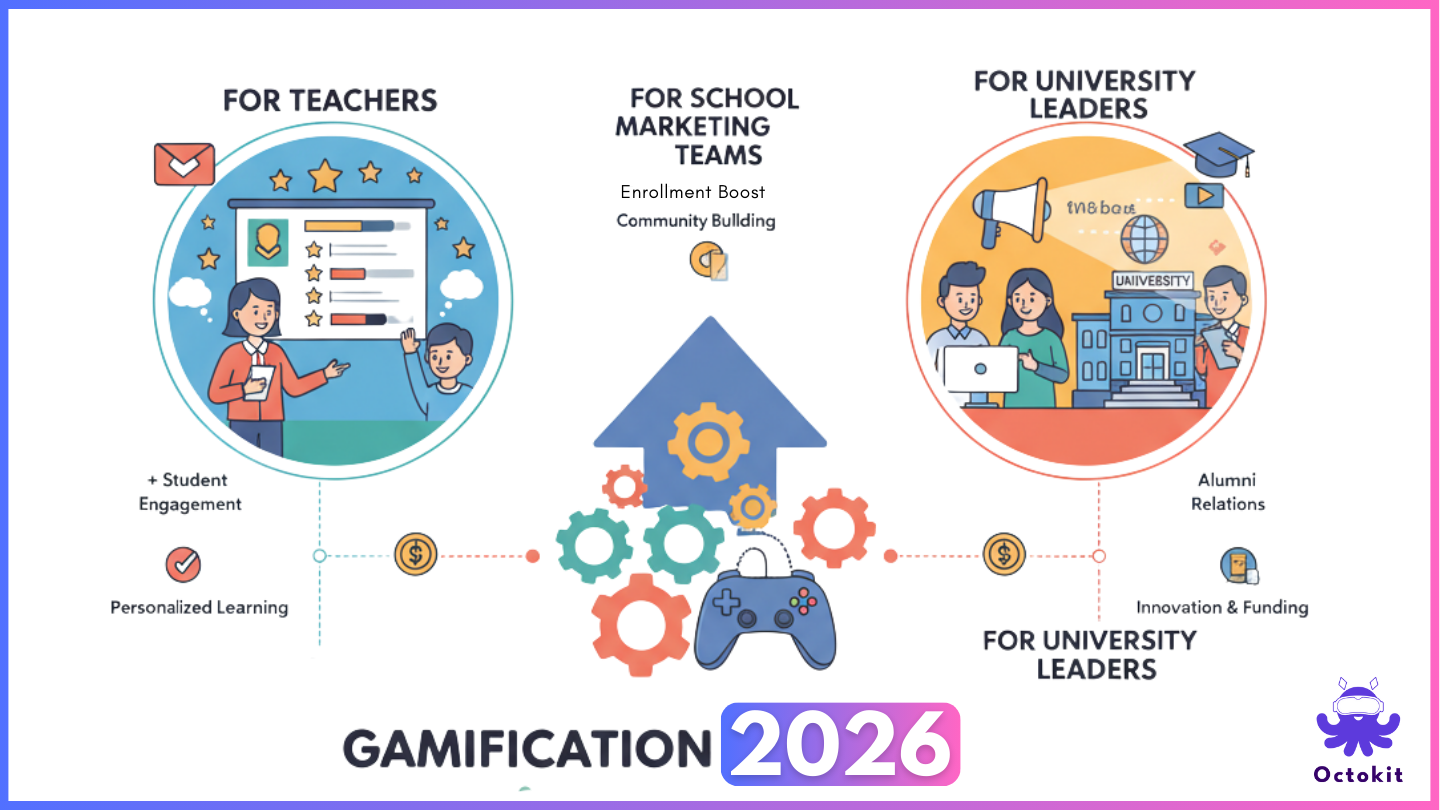
For Teachers
𓈒 Interactive daily warm-up games
𓈒 AR scavenger hunts for science lessons
𓈒 Minigame quizzes for revision
𓈒 Group competitions for team-based learning
For School Marketing Teams
𓈒 AR welcome games during school tours
𓈒 Minigame booths for education fairs
𓈒 QR-based games for open-house events
For University Leaders
𓈒 Digital orientation quests
𓈒 Fun onboarding games for freshmen
𓈒 Minigame career-path quizzes
𓈒 Reward-based engagement for clubs & activities
Gamification helps the entire education ecosystem — not just classrooms.
Top Trends in Educational Gamification for 2026
🔥 Short-form learning games — simple, addictive, effective
🔥 AR scavenger hunts for physical-digital hybrid learning
🔥 Reward systems to track engagement
🔥 Leaderboards & class challenges for healthy competition
🔥 Seasonal learning events (Christmas, Tet, Halloween)
🔥 No-code game builders for teachers (no technical skills needed)
The biggest reason for growth:
Schools need scalable, affordable tools that work immediately.
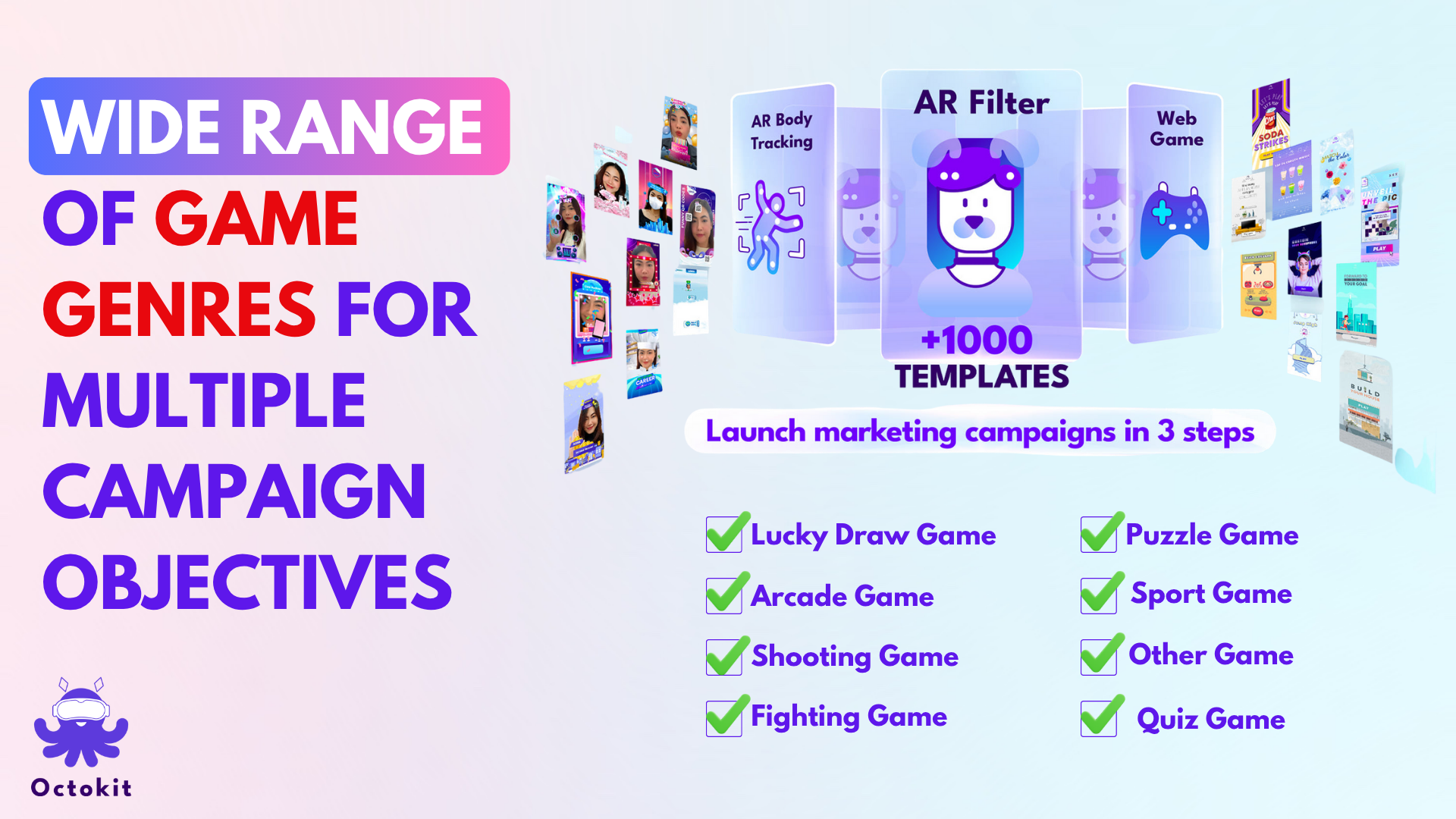
How Octokit Helps Schools Apply Gamification in 15 Minutes
For schools, teachers, and universities that want to apply gamification fast — Octokit is becoming the preferred tool because:
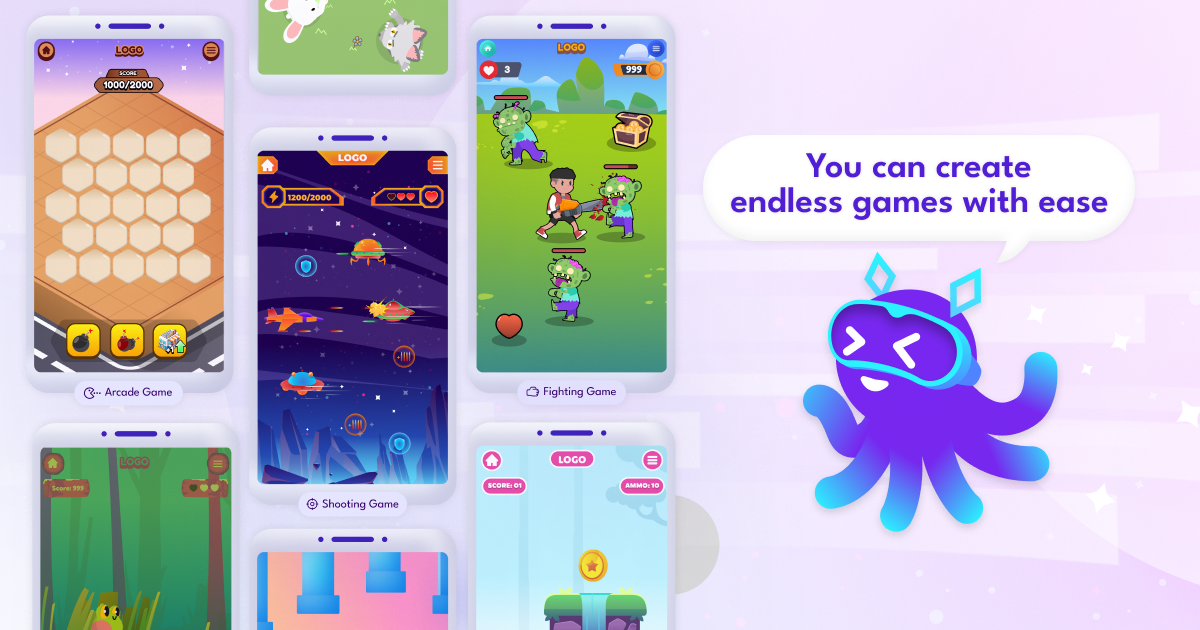
⭐ No-code minigame builder
Teachers can create learning games in minutes.

⭐ Customizable templates
Perfect for lessons, holidays, orientations, events.
⭐ Leaderboards & rewards
Track class performance easily.

⭐ Data analytics
See which students participate most and what topics they struggle with.

⭐ Mobile-first experiences
Works smoothly on student smartphones without installing apps.
Octokit is essentially the “Canva of educational gamification,” helping schools adopt modern engagement tools effortlessly.
Final Thoughts: 2026 Is the Year Gamification Becomes Essential for Education
Students learn better when learning feels like play — and 2026 proves it.
Minigames and AR learning experiences are no longer “nice-to-have”; they are becoming a standard in high-performing schools and innovative universities.
Any school looking to improve engagement, modernize its teaching methods, and better connect with digital-native learners can start today — easily, quickly, and affordably.
 Back
Back