


Introduction
Let’s face the harsh truth of modern digital marketing: traditional campaign microsites are losing their magic. You spend tens of thousands of dollars and wait months for an agency to build a stunning, text-heavy landing page.
The result? Users scroll for exactly three seconds, completely ignore the lead capture form, and bounce. Today’s audiences, especially Gen Z and millennials, suffer from chronic banner blindness. They don’t want to just read about your campaign; they want to play it.
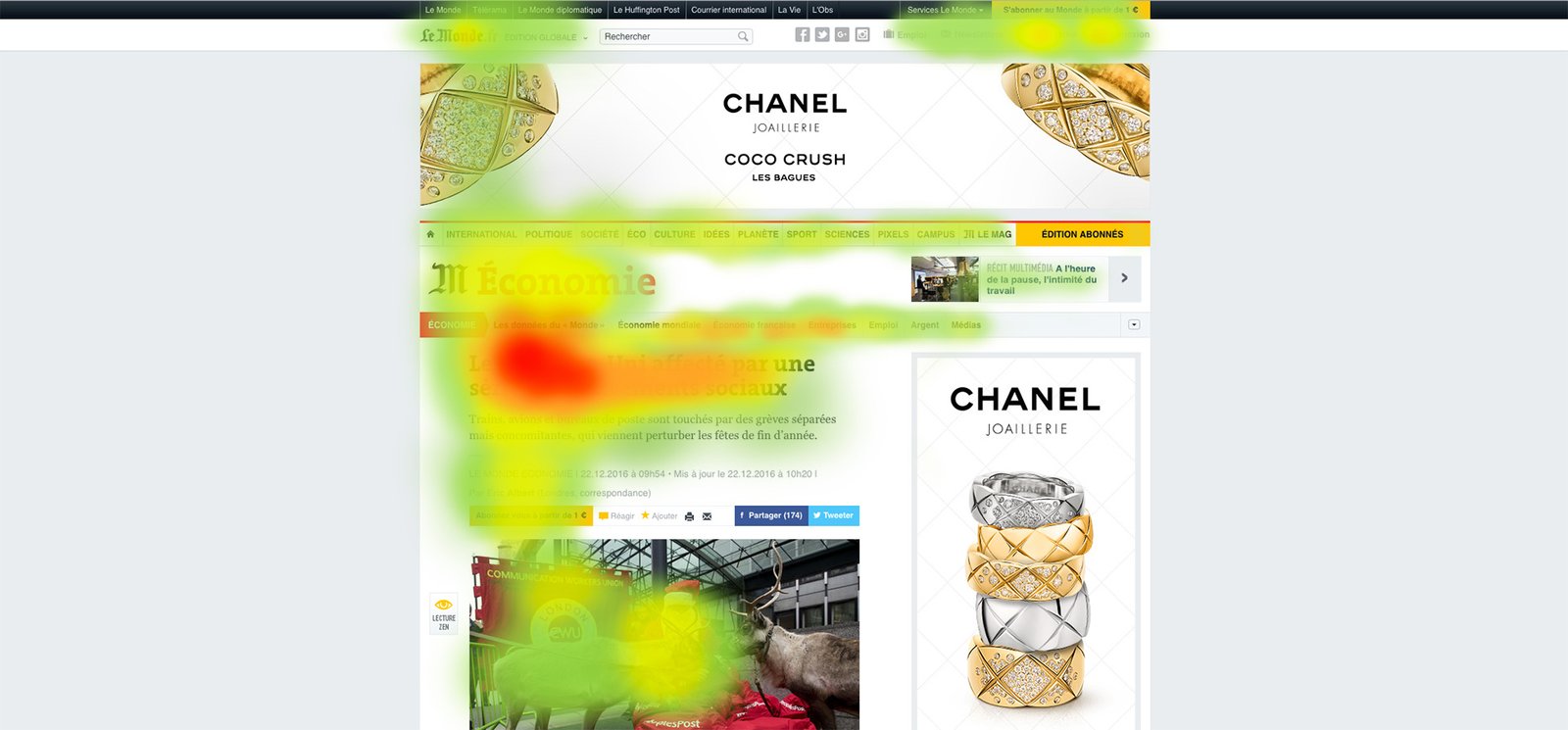
Banner blindess – A phenomenon where users subconsciously ignore static promotional content because they’ve learned it rarely offers anything engaging or relevant
Enter the world of Gamification Marketing. What if you could replace that static, boring microsite with a highly engaging, interactive multiplayer arcade game?
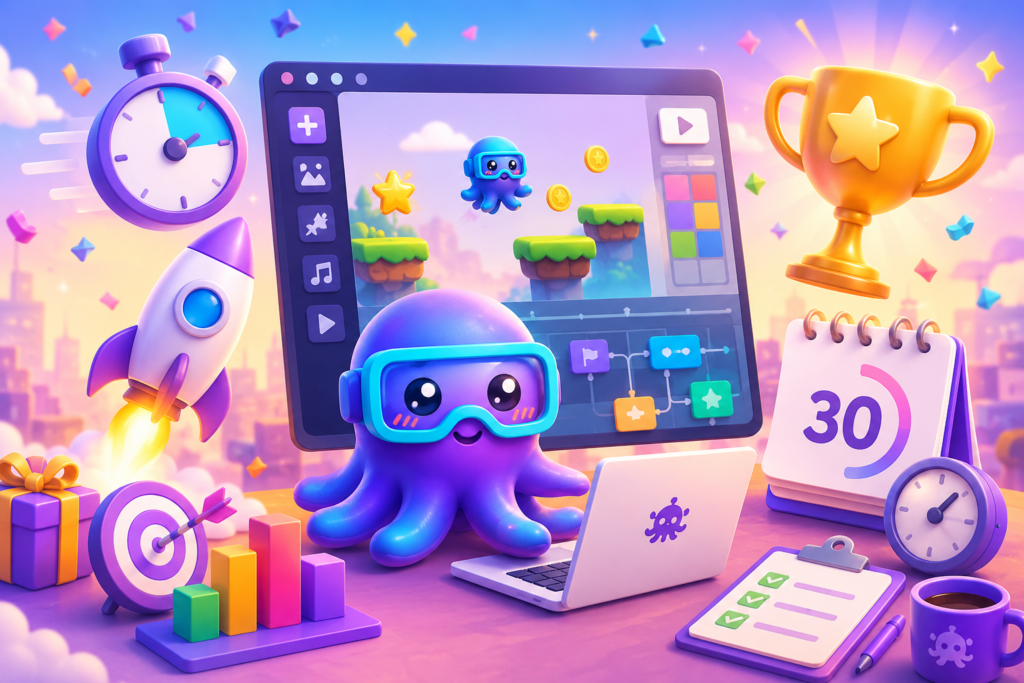
Better yet, what if you could do it without writing a single line of code? Welcome to Octokit, the premier no-code platform that makes building marketing games as easy as snapping LEGO blocks together. Whether you are a brand manager, agency owner, or digital marketer, Octokit empowers you to turn dream concepts into high-converting campaigns in minutes.
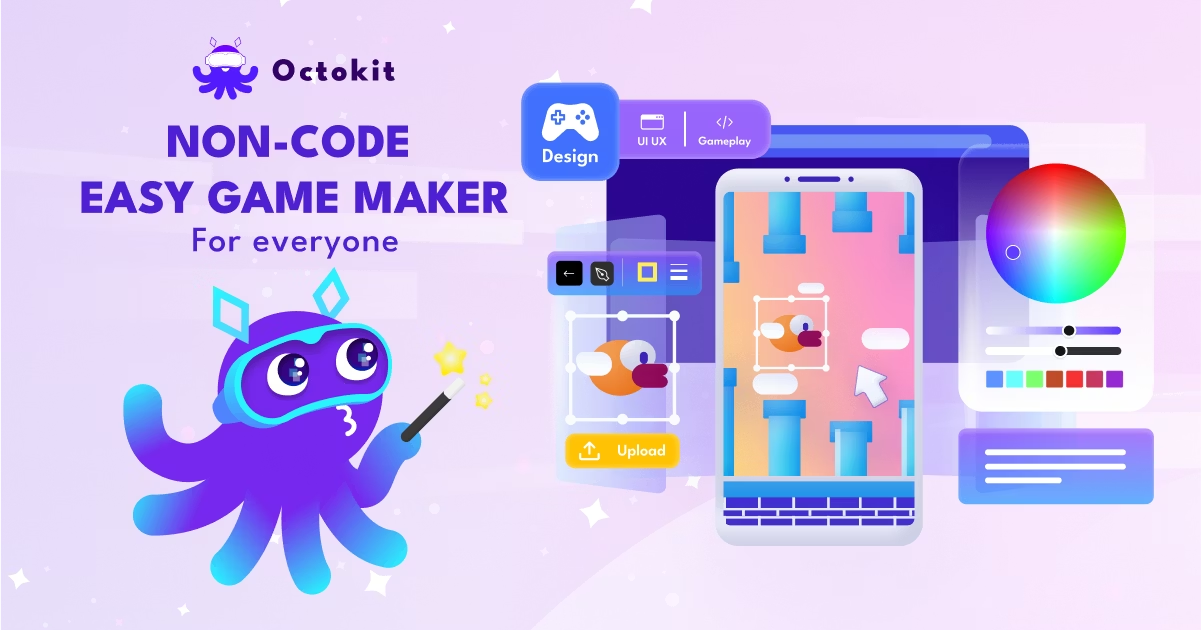
No need to be a game developer – you can create a game in just the matter of minutes
The Core Concept: Gamification vs. The Static Graveyard
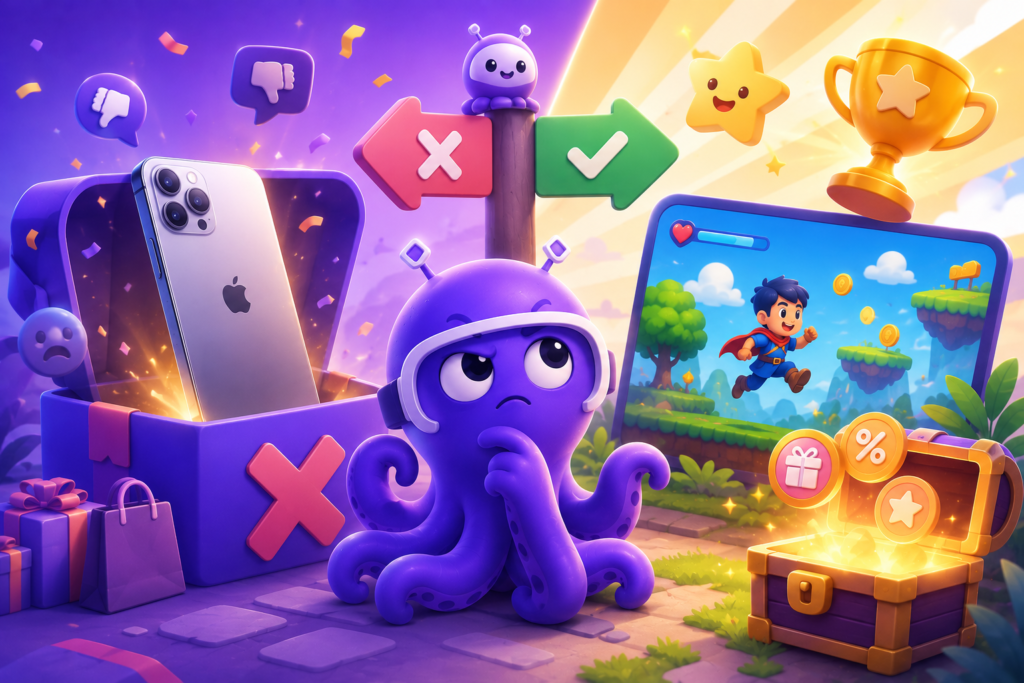
The marketing landscape is currently defined by a massive shift in consumer psychology. A static microsite asks users for their time and data upfront, offering very little immediate dopamine in return. It is a one-way transaction.
Gamification, on the other hand, relies on the psychology of play. It triggers natural human desires for achievement, competition, and reward.
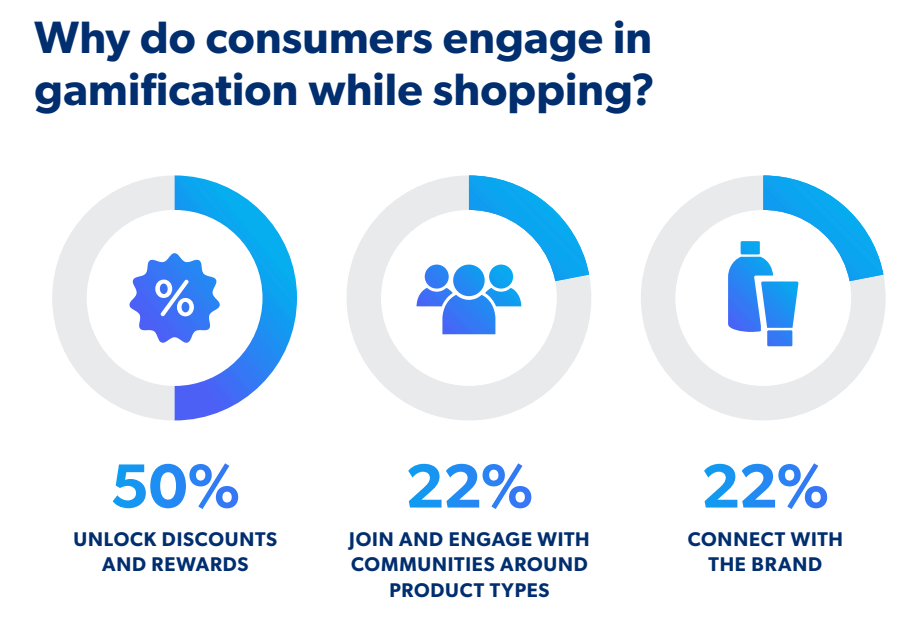
By tapping into consumers’ emotions, gamification has quickly become one of the most powerful and influential tools in modern marketing campaigns.
In the past, creating a game for a brand meant a technical nightmare. It required hiring specialized game developers, suffering through rigid coding frameworks, and draining your budget.
The Octokit Way completely flips this model. By utilizing an intuitive drag-and-drop interface, Octokit removes all technical barriers. We translate complex game mechanics—like physics, logic, and variables—into simple, visual blocks. You focus on the creative strategy and customer journey, while Octokit handles the underlying code.
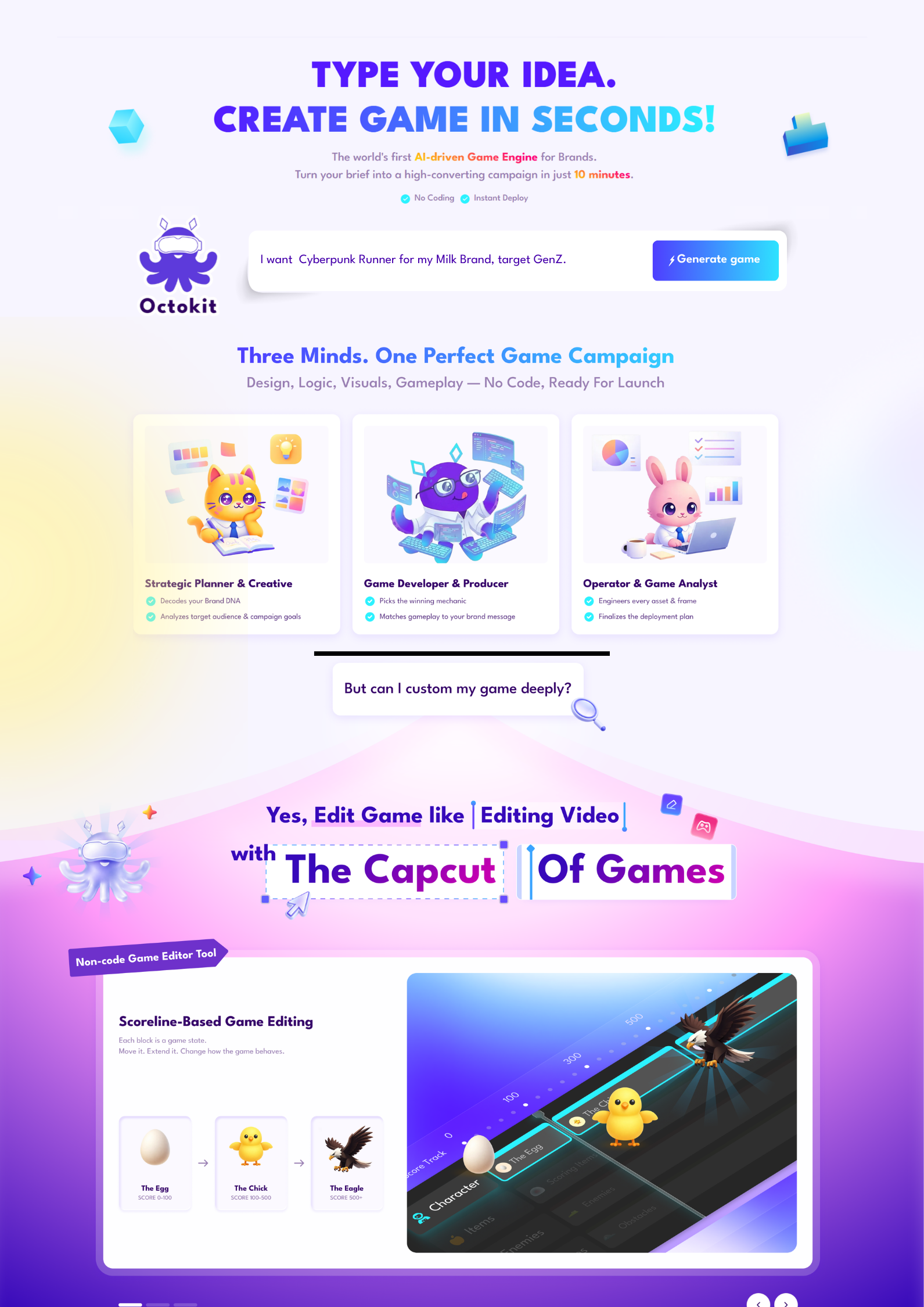
This is exactly why Octokit is what brands need for marketing in 2026
Real Business Scenarios: Transforming Campaigns with Play
To truly understand the power of no-code game creation, let’s look at how replacing a microsite with an Octokit-powered game completely transforms real business campaigns.
Scenario: Self-Love Campaign for a Personal Care Brand
The Old Way:
A personal care brand (shampoo, body wash) wants to spread a message about women embracing self-love. They launch a traditional landing page with inspirational quotes, a campaign KV, and a CTA encouraging users to “Celebrate Yourself.” The content looks nice, but interaction is minimal. Most users scroll quickly and leave without truly engaging with the message.
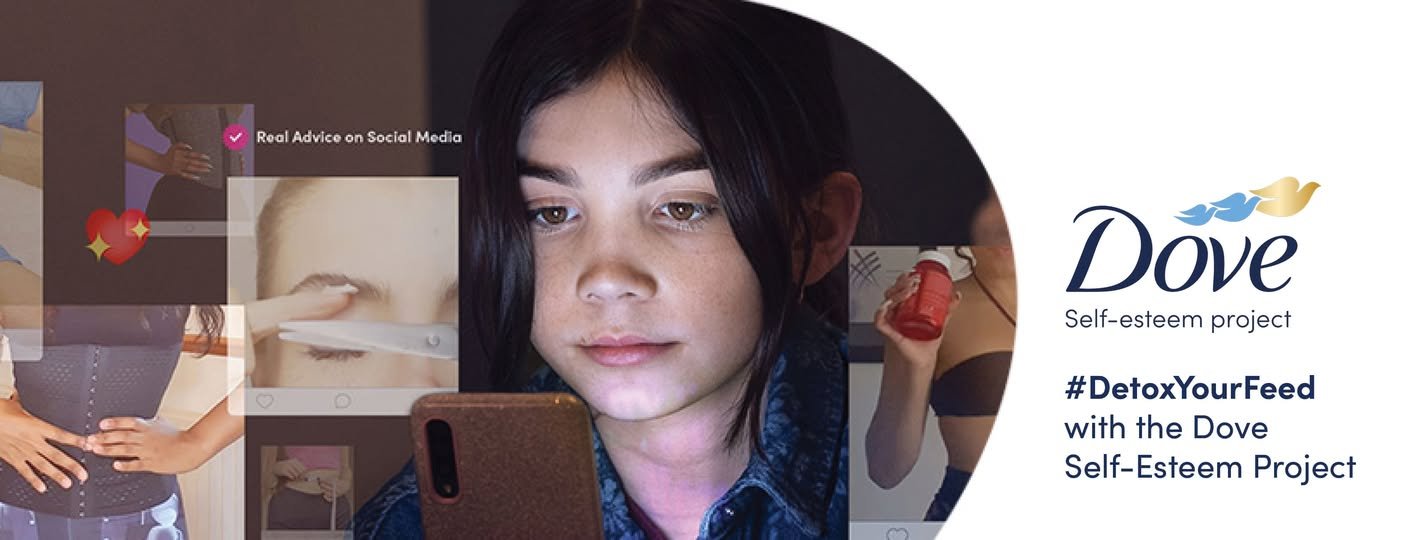
| The Octokit Way: Instead, the brand creates an interactive “Flip & Discover” memory game using Octokit. Players flip cards to find matching pairs — each match reveals a meaningful self-love message for women, such as confidence, self-care, authenticity, and inner strength. The more pairs players uncover, the more empowering messages they unlock. Bonus rounds include limited-time cards featuring product visuals, rewarding players with extra points and surprise gifts. |
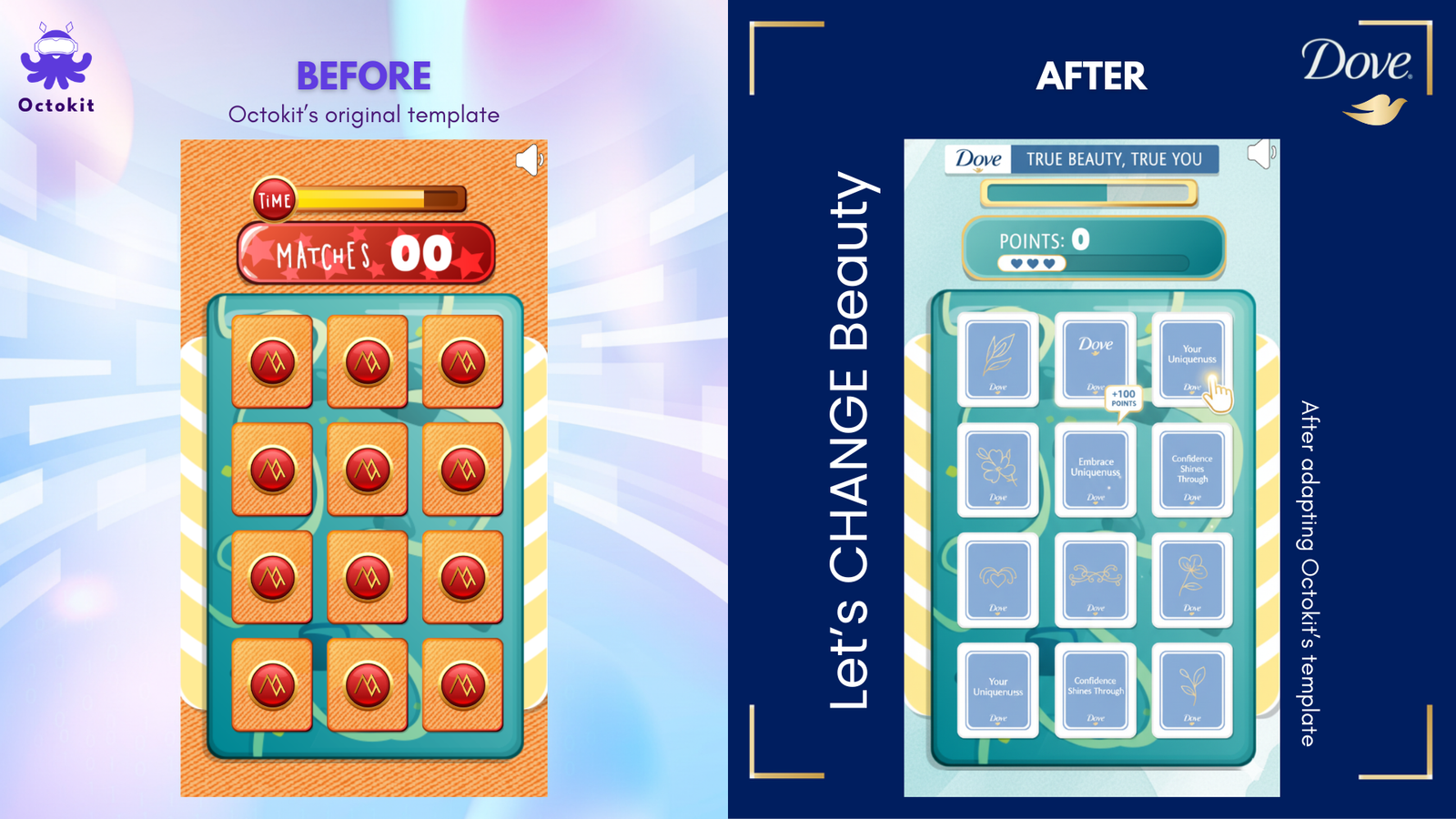
The Result:
Users actively engage with the campaign while naturally absorbing the brand’s positive messages.
The interactive format encourages players to complete all pairs, replay to improve their score, and share the experience with friends.
What could have been a static inspirational page becomes a memorable, meaningful, and highly engaging self-love journey.
Scenario 2: Home Appliance Product Launch
The Old Way:
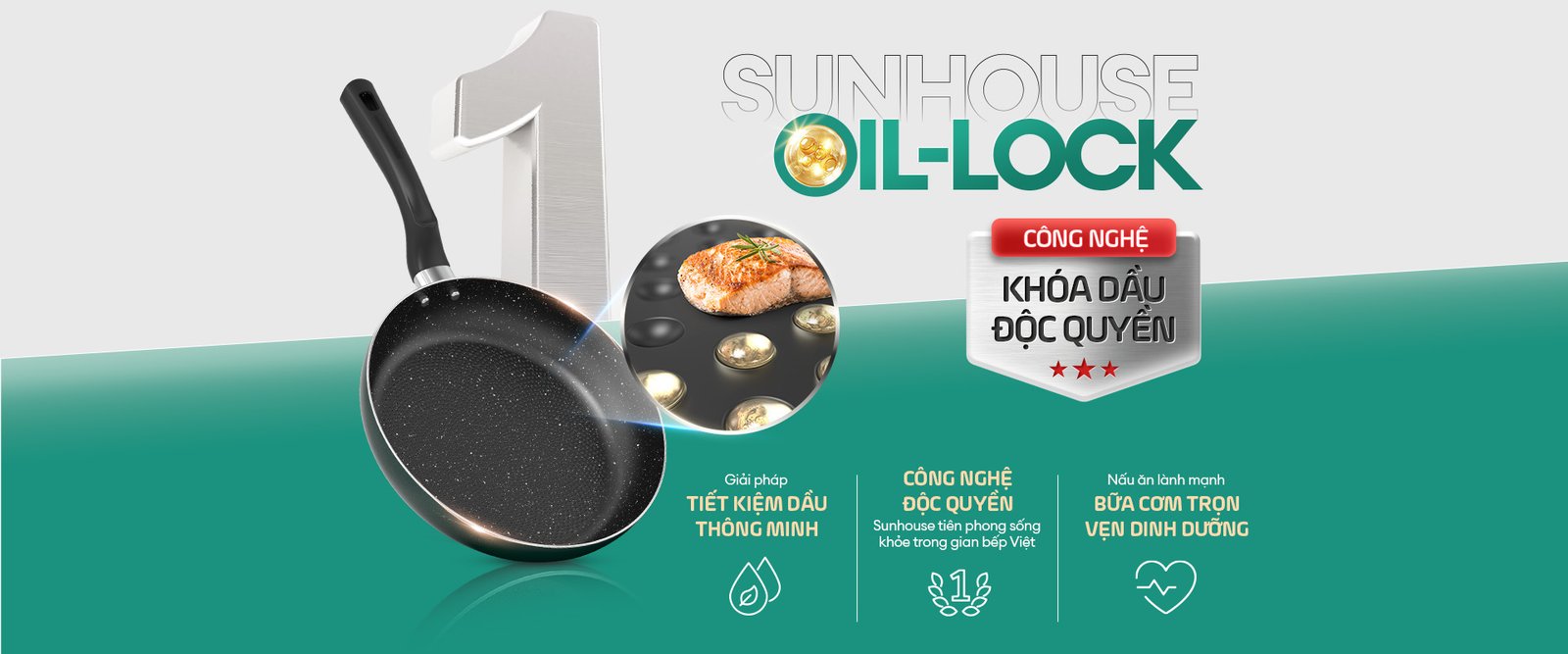
A home appliance brand launches its new oil-lock frying pan and promotes it through Facebook posts. The content highlights the product’s anti-splatter feature, shows cooking visuals, and includes a “Shop Now” link. It gains some impressions, but users quickly scroll past without truly engaging or understanding the product’s benefit.
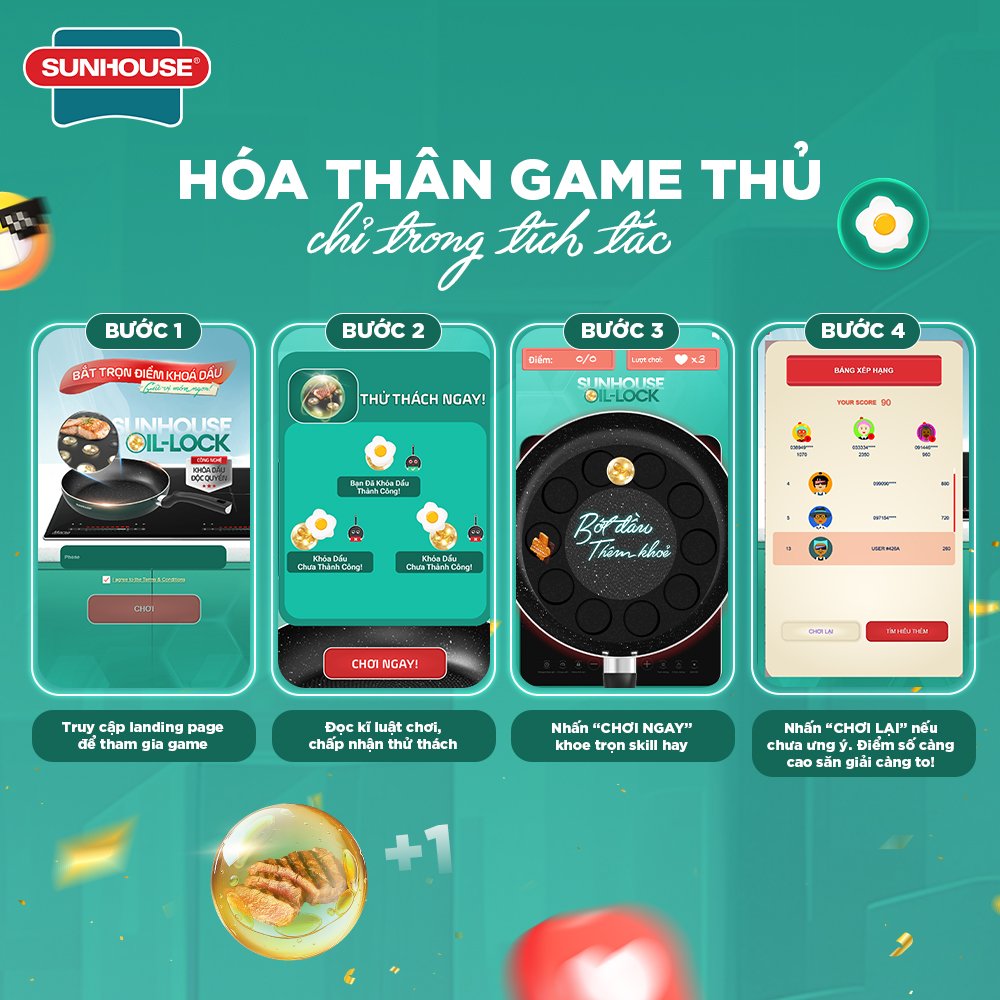
| The Octokit Way: The brand launches a mini game called “Catch It in the Pan.” Ingredients like meat, eggs, and vegetables move randomly across the screen. Players must quickly place the correct food into the oil-lock pan to score points. Each successful catch increases the score, while missed ingredients reduce chances. Reaching certain score milestones unlocks discount vouchers or rewards for the new pan. |
The Result:
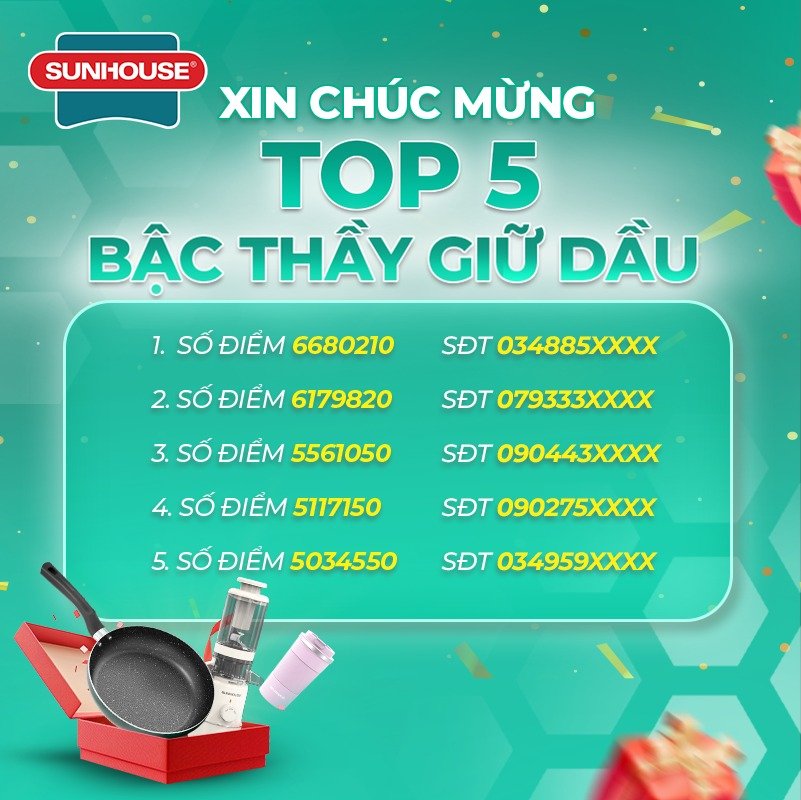
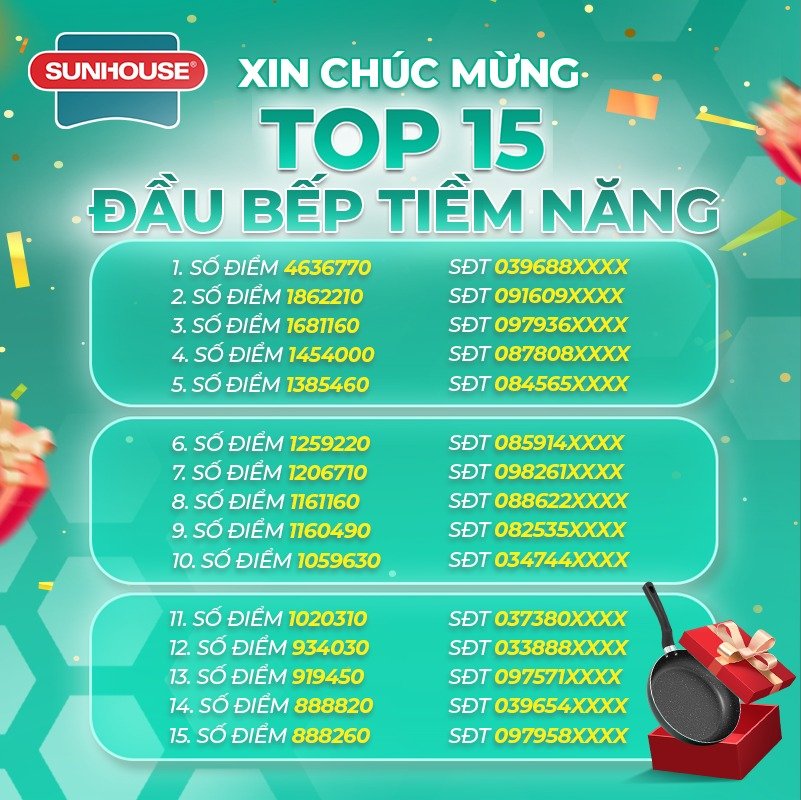
Instead of passively viewing Facebook posts, users actively interact with the product’s core feature. The gameplay reinforces the oil-lock benefit, increases engagement time, and drives conversions through reward-based incentives.
Step-by-Step Guide: Launch Your Gamified Campaign
Ready to ditch the old landing page and build a high-converting gamified campaign? Here is how you can launch your very own marketing game using Octokit.
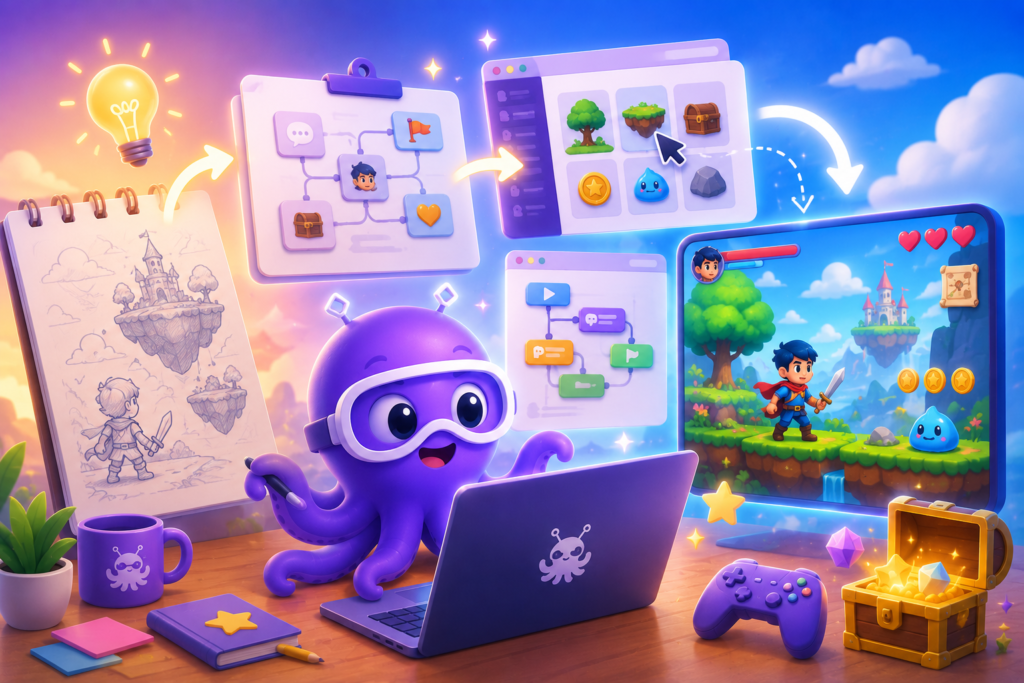
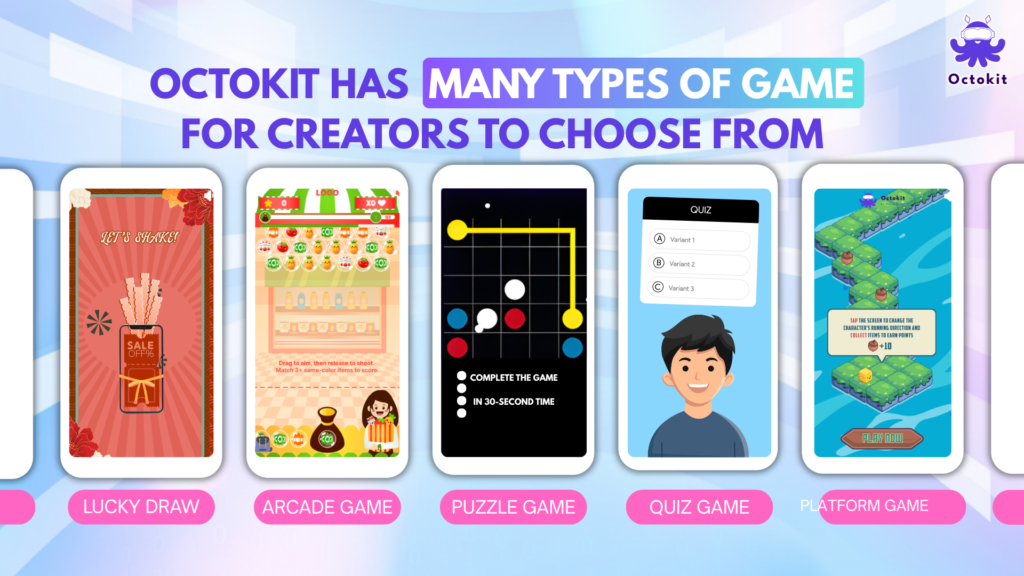
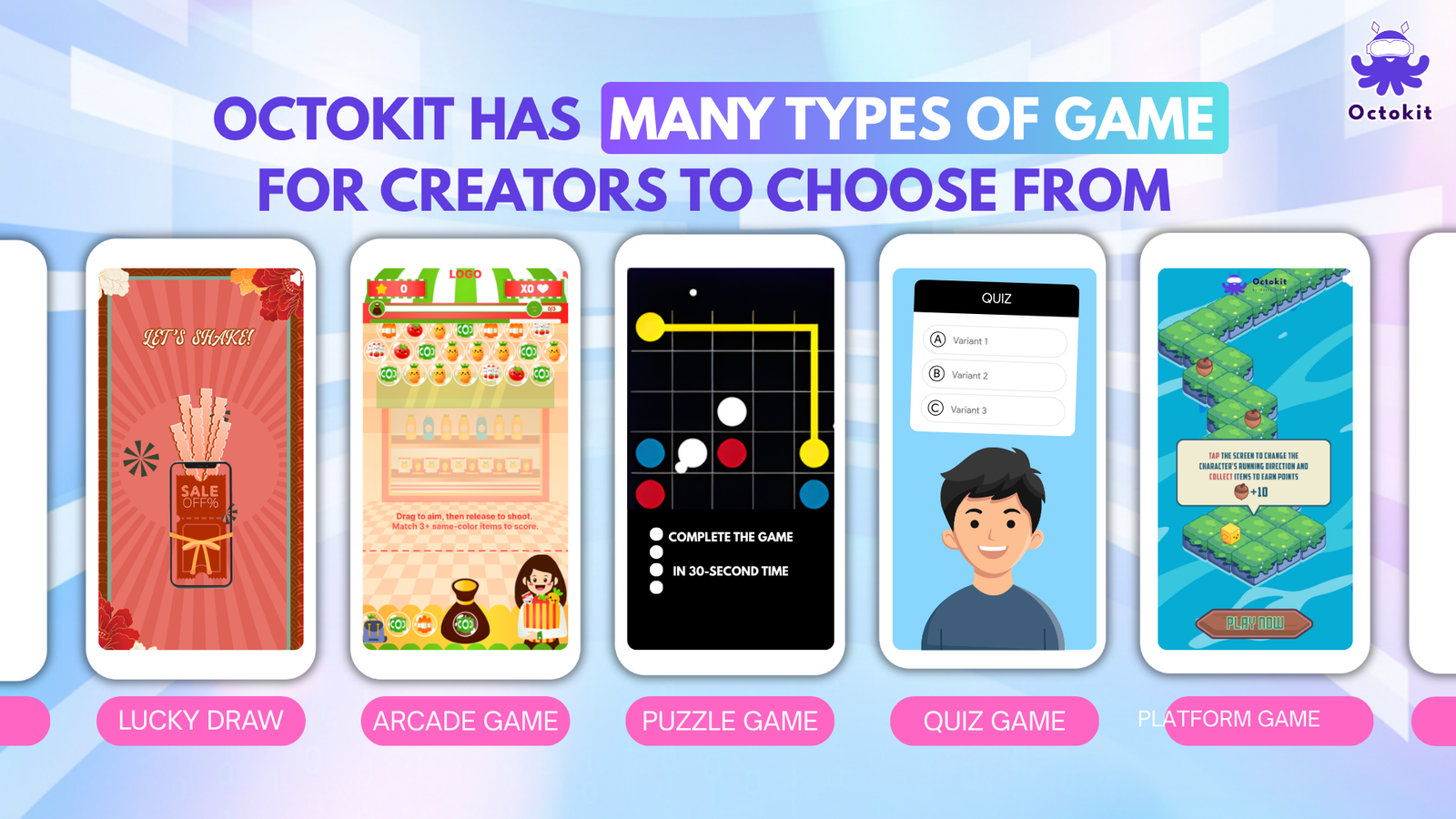
- Step 1: Spark the Idea. Don’t start from scratch. Use Octokit’s built-in templates or outline your campaign goals. Decide on the core action: jumping, collecting, matching, or racing.
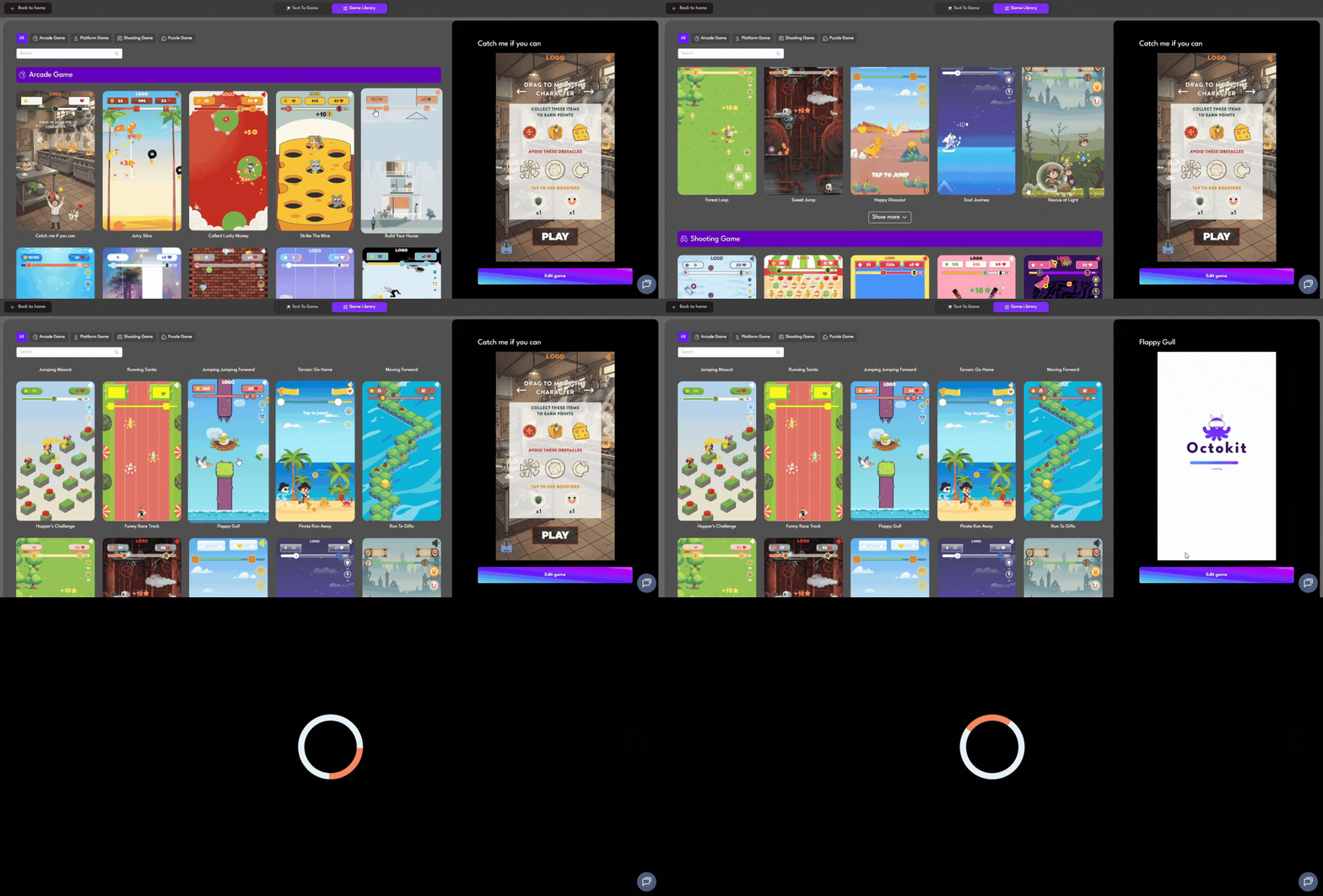
- Step 2: Drag, Drop, and Design. Step into the Octokit Editor Tool. This is your visual playground. Drag your brand mascot into the scene. Change background colors to match your brand guidelines. Add a Spin-the-Wheel for instant voucher rewards just by dropping it from the UI library.
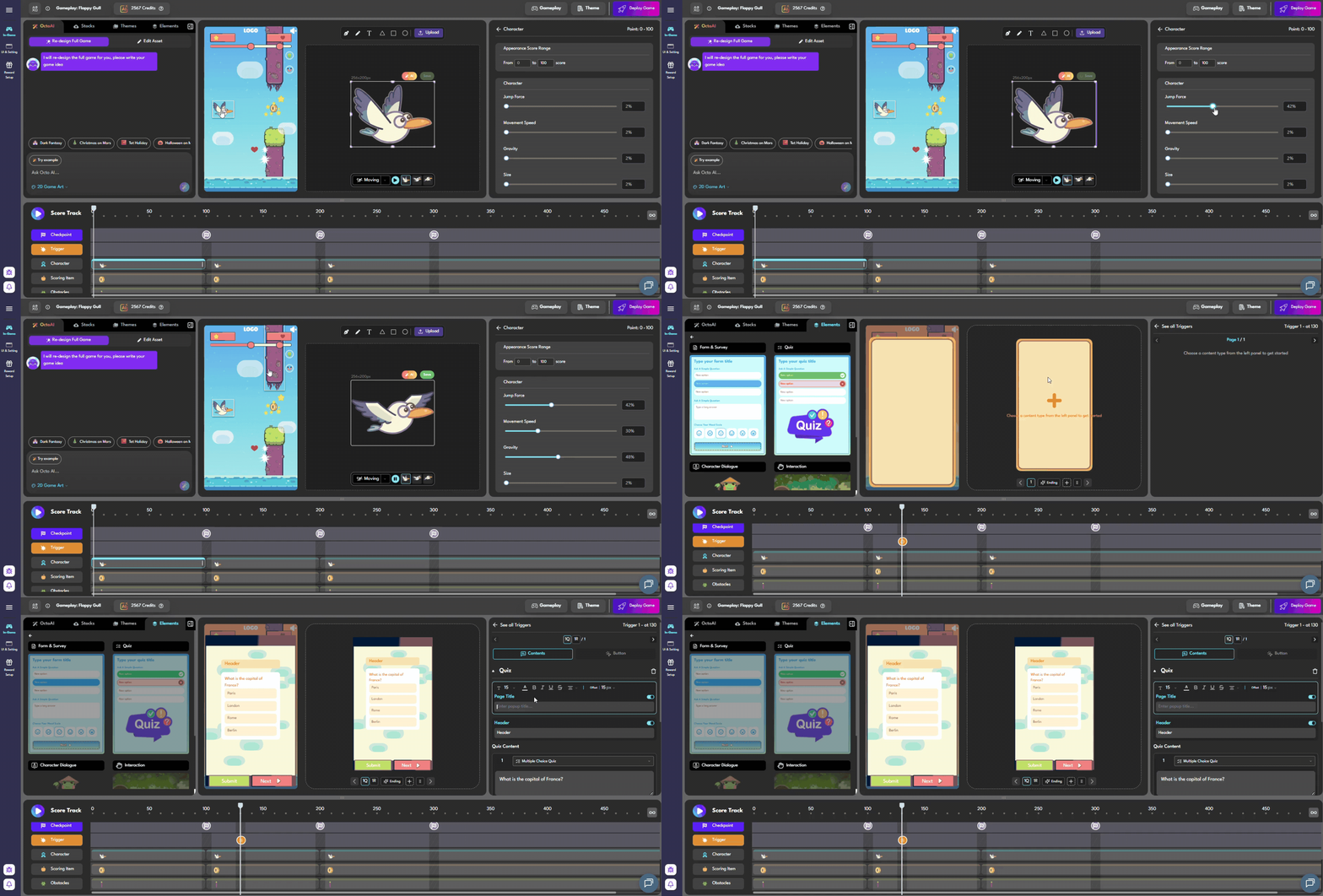
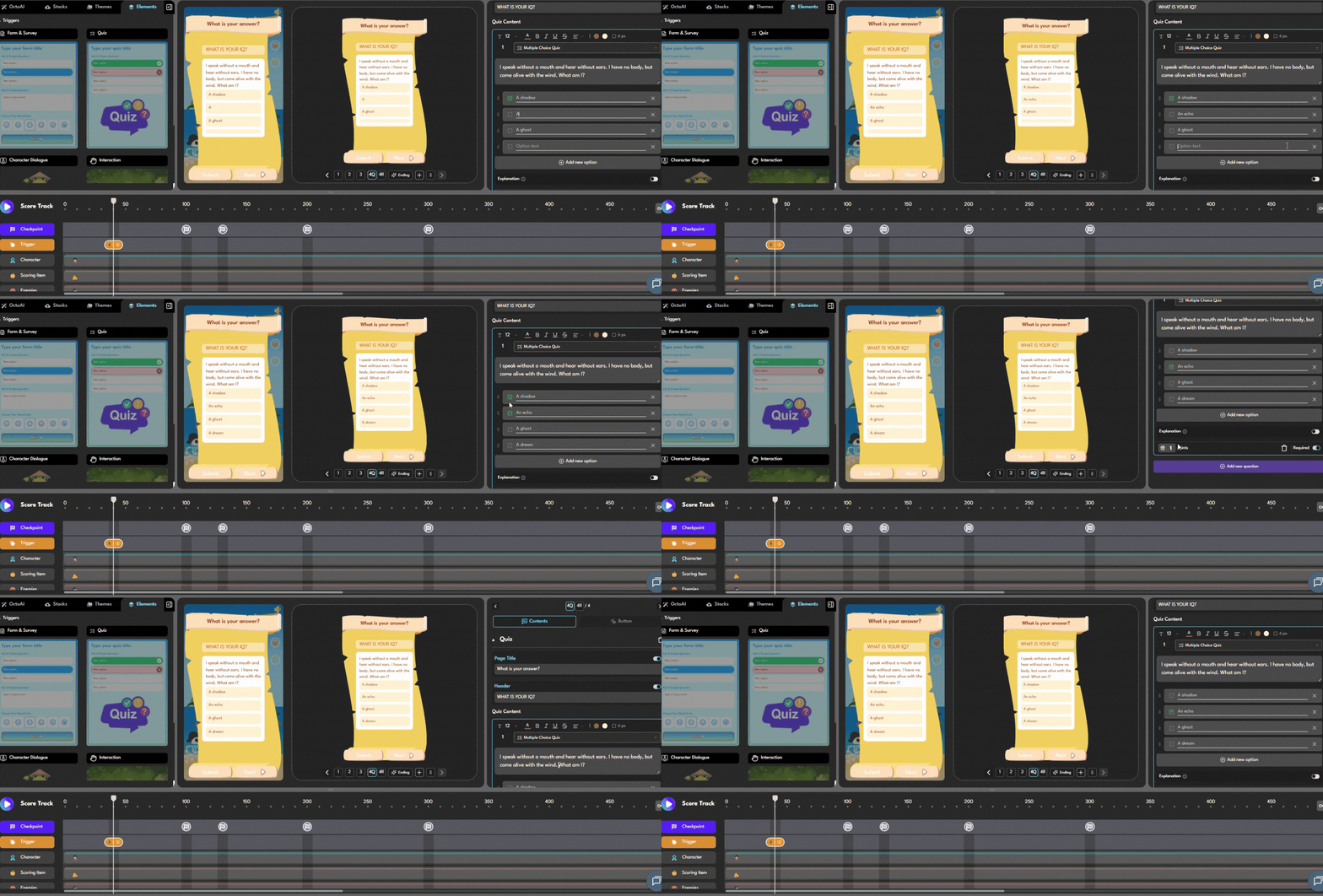
- Step 3: Visual Logic Blocks. Connect game rules using visual logic blocks. Want a lead-capture form to appear when the player loses all their lives? Just connect a “Heart count = 0” block to a “Show Form” block. It is as intuitive as drawing a mind map.
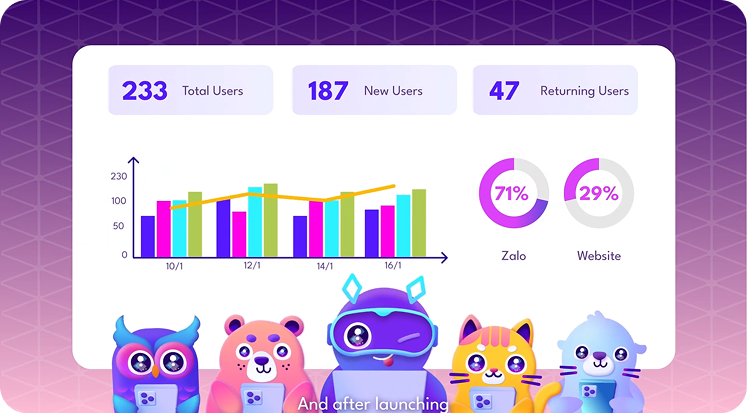
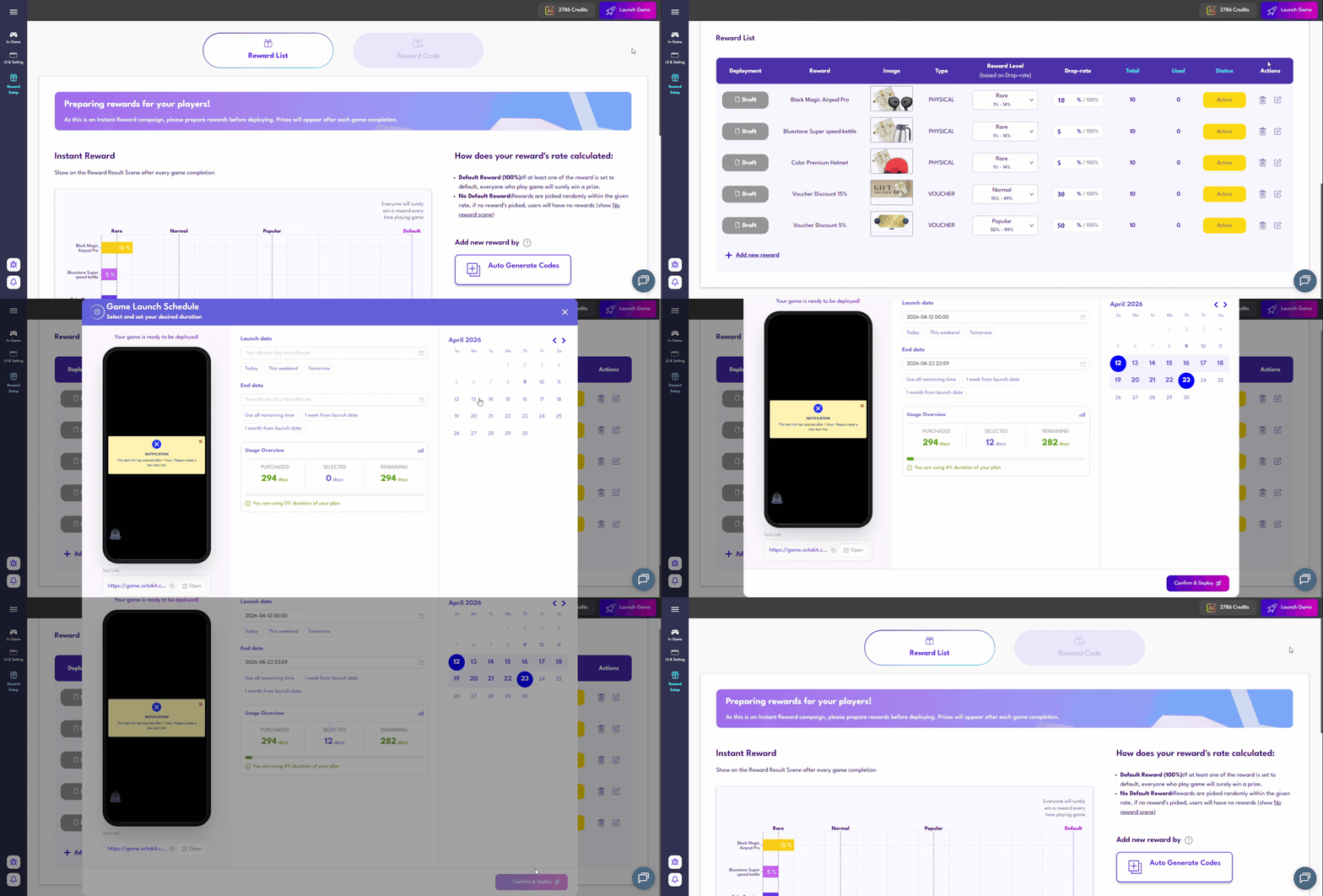
- Step 4: Set up Launch Schedule and Track Real-Time Data. Hit publish. Your game is instantly live across Web, Facebook, and Instagram. Monitor the built-in analytics dashboard to track lead generation, reward drop rates, and user retention in real time.
Enhancing the Game with Octokit’s Multiplayer Features
Why launch a solo experience when you can build a community? Octokit allows you to seamlessly integrate multiplayer elements that turn a simple game into a viral sensation. Add real-time leaderboards to spark friendly competition.
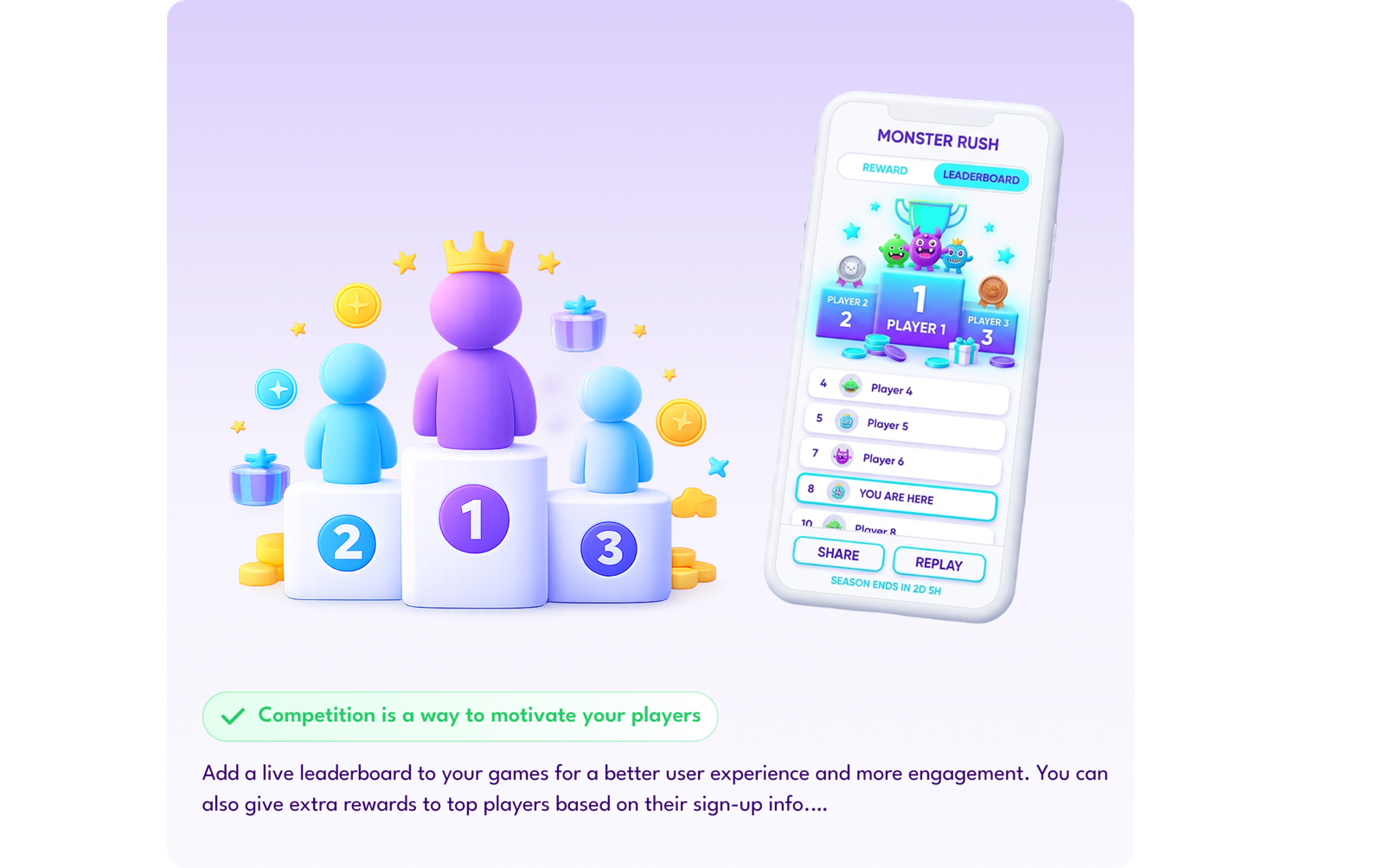
Create shared milestones where players collaborate to unlock community rewards.
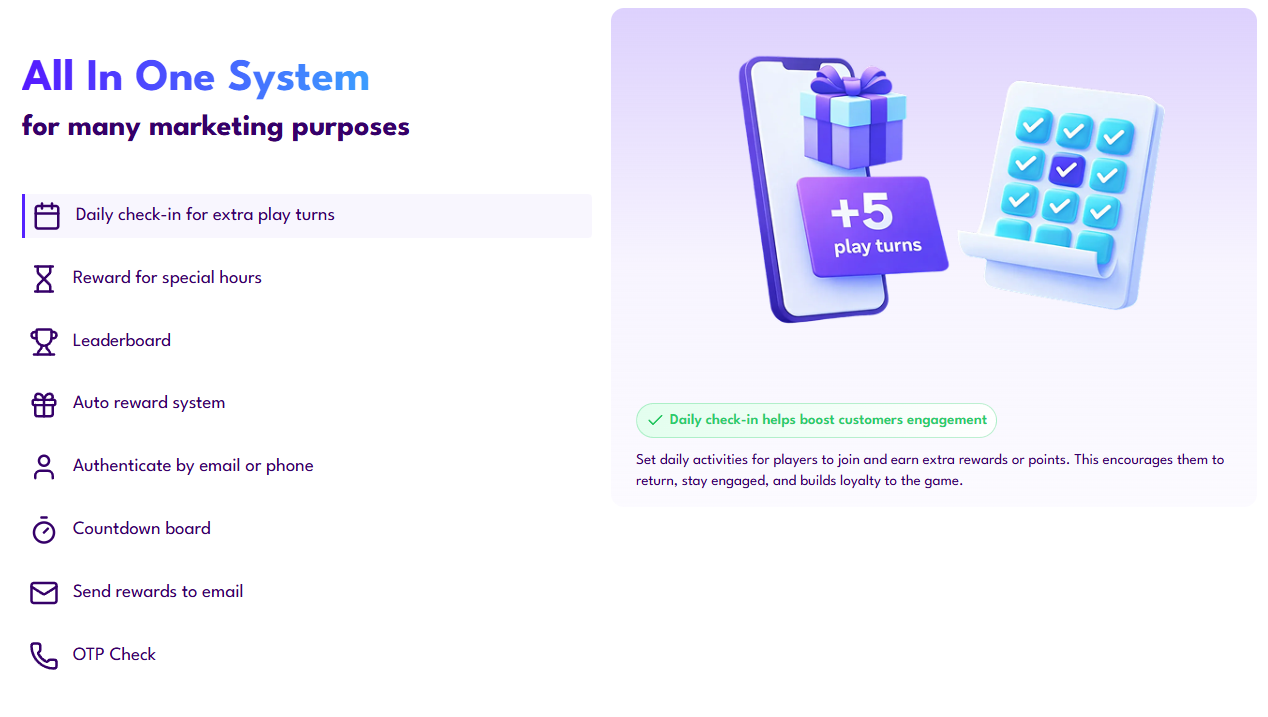
When users compete with friends, they share your campaign organically, multiplying your reach effortlessly.
Conclusion & Start Building Today
It is time to stop building graveyards of text and start building experiences that people actually want to engage with. The death of the boring campaign microsite is the birth of your most successful marketing strategy yet. Do not let the lack of coding skills hold your brand back.
| Ready to revolutionize your digital marketing? Start Building on Octokit today! |
Check out incredible brand success stories at our Showcase, read more gamification strategies on our blog, and see why no-code is taking over the marketing world on authority sites like NoCode.tech.
 Back
Back