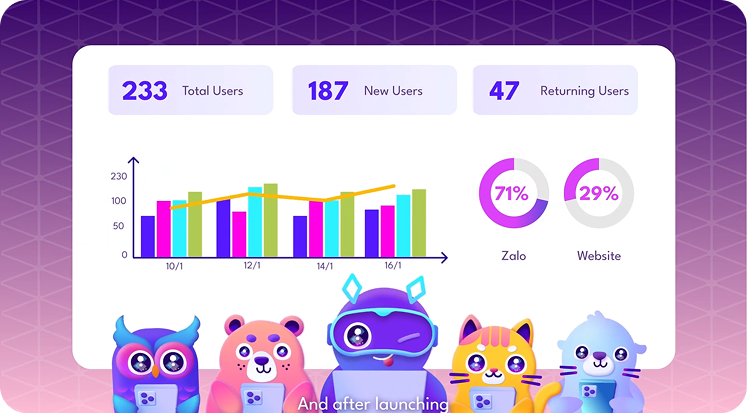



The Golden Age of Banners and Microsites Is Over
Let’s face it: your audience isn’t just distracted — they’re bored.
They scroll past expensive banner ads and beautifully designed microsites without a second thought, a behavior often driven by chronic banner blindness. In today’s attention economy, catchy copy alone isn’t enough. You need to offer something users can actually experience.
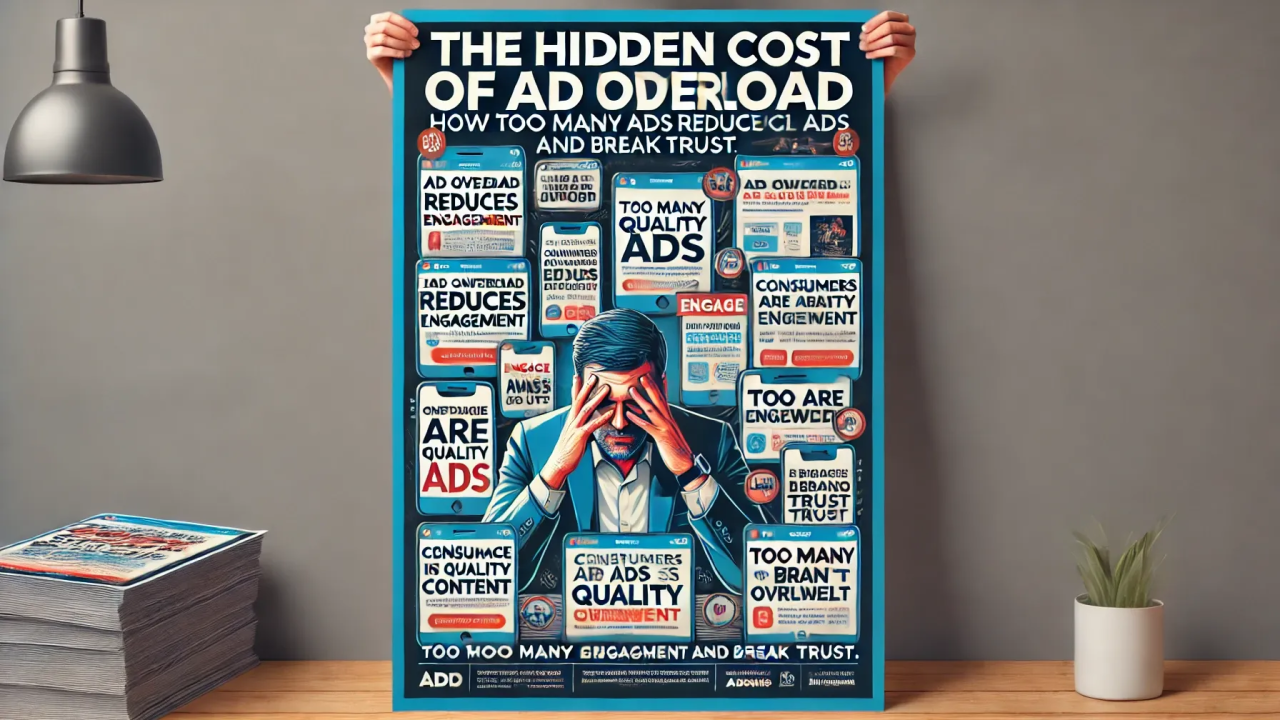
Consumers are more easily distracted than ever, and brands need to reflect that reality in their marketing campaigns
This is where Octokit comes in — a no-code platform that transforms static campaigns into real-time, playable experiences. Instead of building pages people skim, you can create interactive worlds they actively participate in. Game creation becomes as simple as snapping LEGO blocks together, turning passive viewers into engaged players.
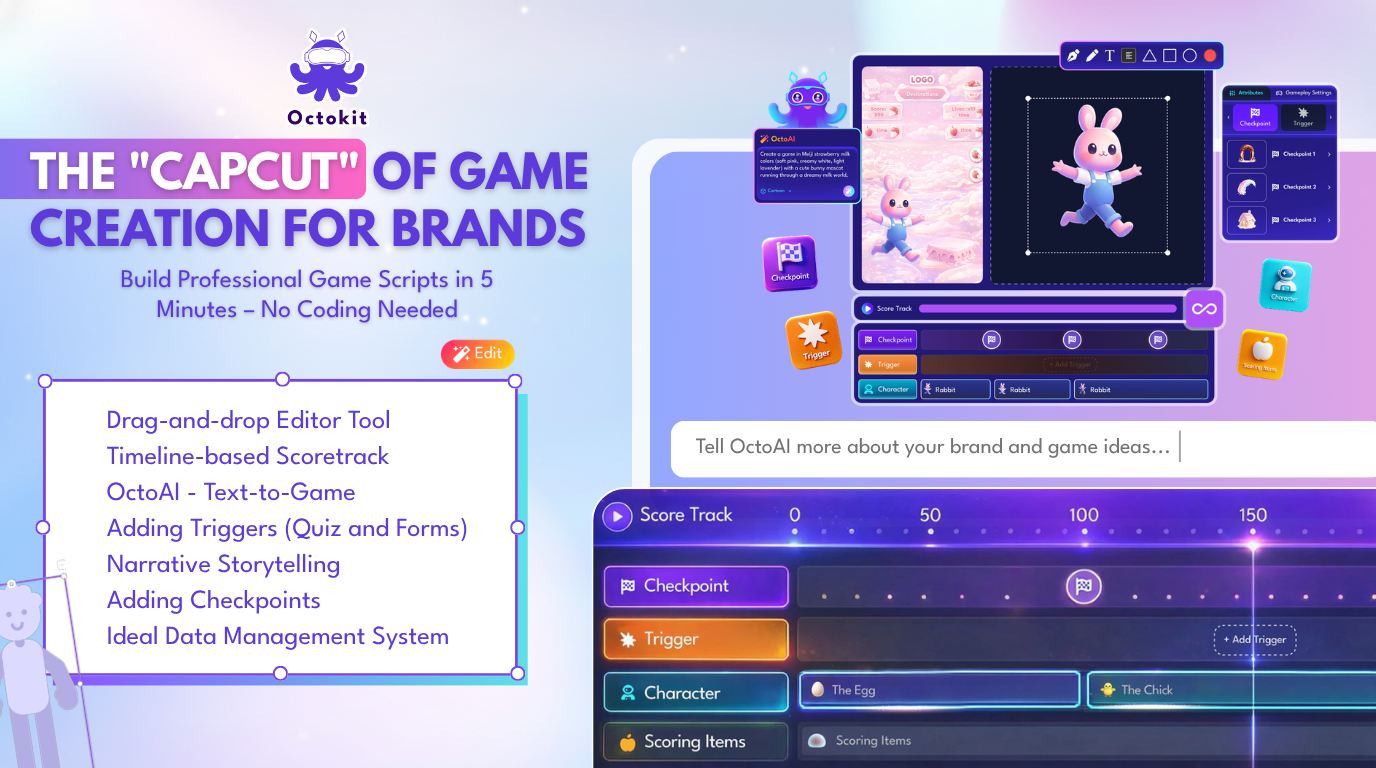
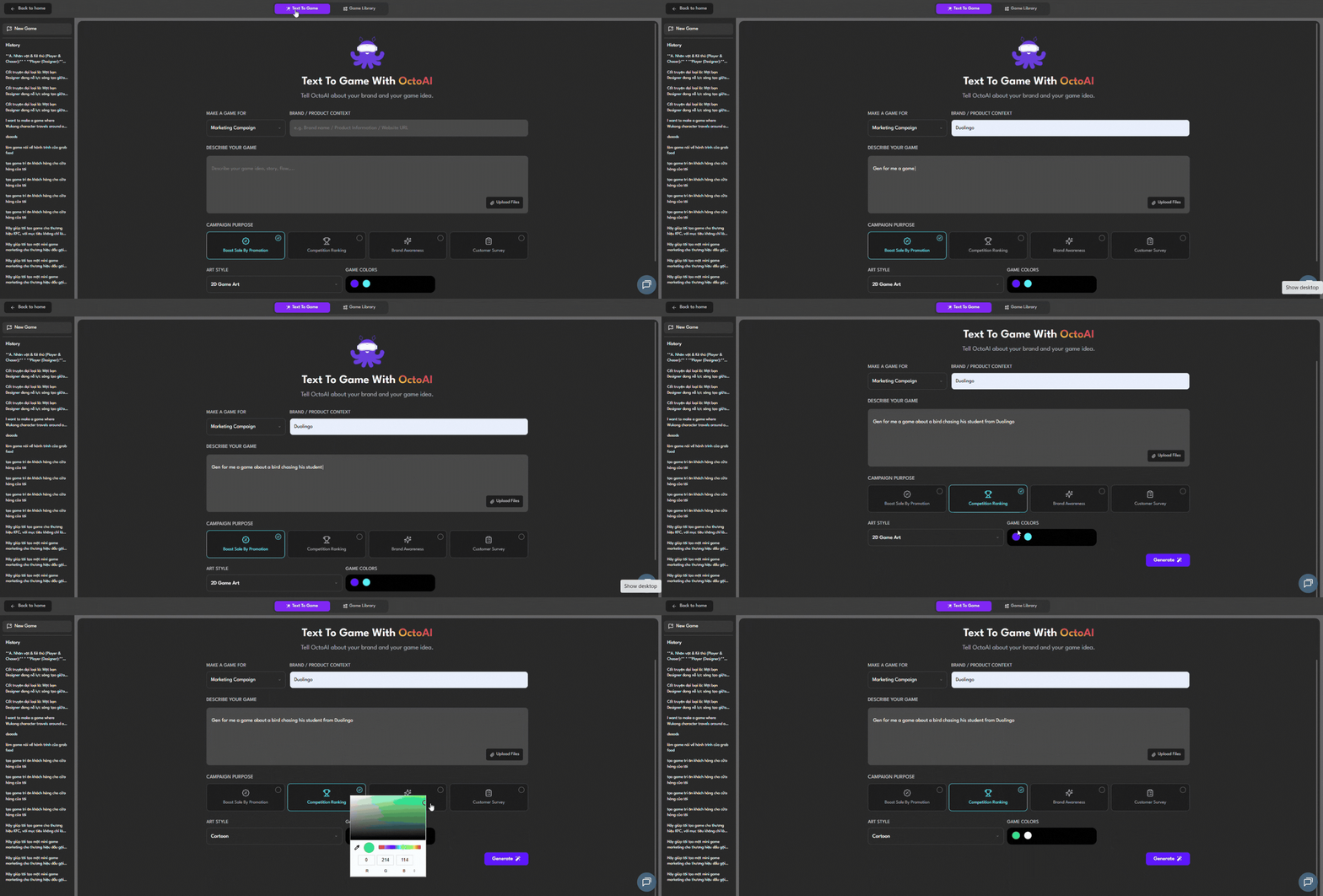
No complex coding or large multi-purpose teams needed — creators now only need their ideas and Octokit’s gamification platform to build a game
Instead of asking users to fill out a form, what if you challenged them to beat a high score? What if your next product launch wasn’t a static page, but a live multiplayer experience? Gamification is no longer a luxury reserved for brands with large tech budgets — it’s becoming a fundamental strategy to capture and hold attention.
The Graveyard of Boring Campaigns
To understand why gamification matters, look at what keeps failing. The marketing landscape is filled with campaigns that cost tens of thousands of dollars but deliver little to no engagement.
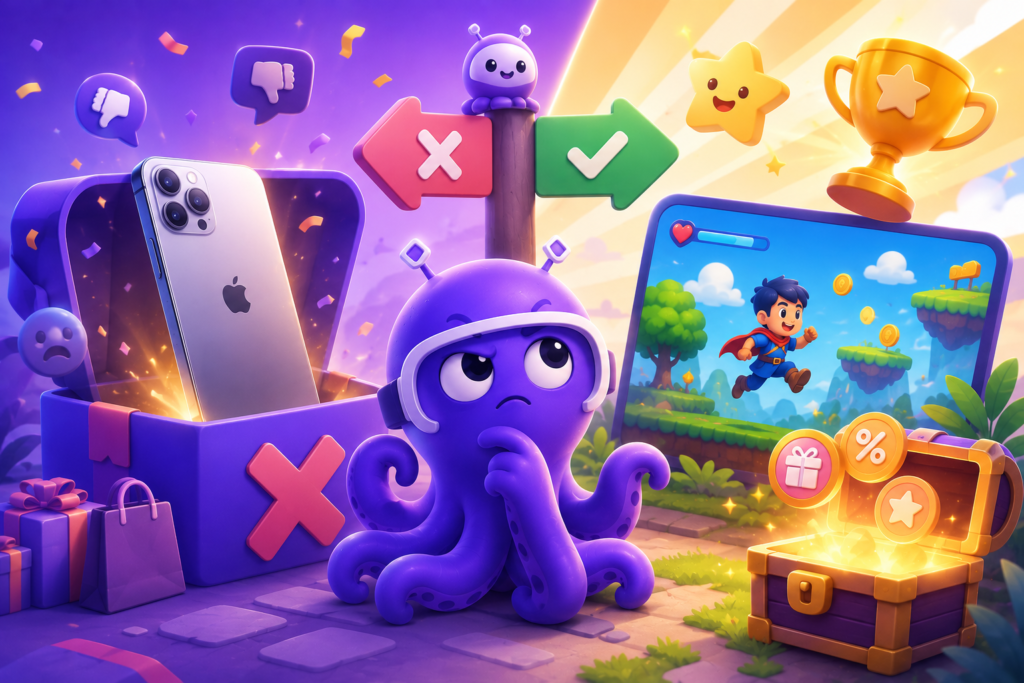
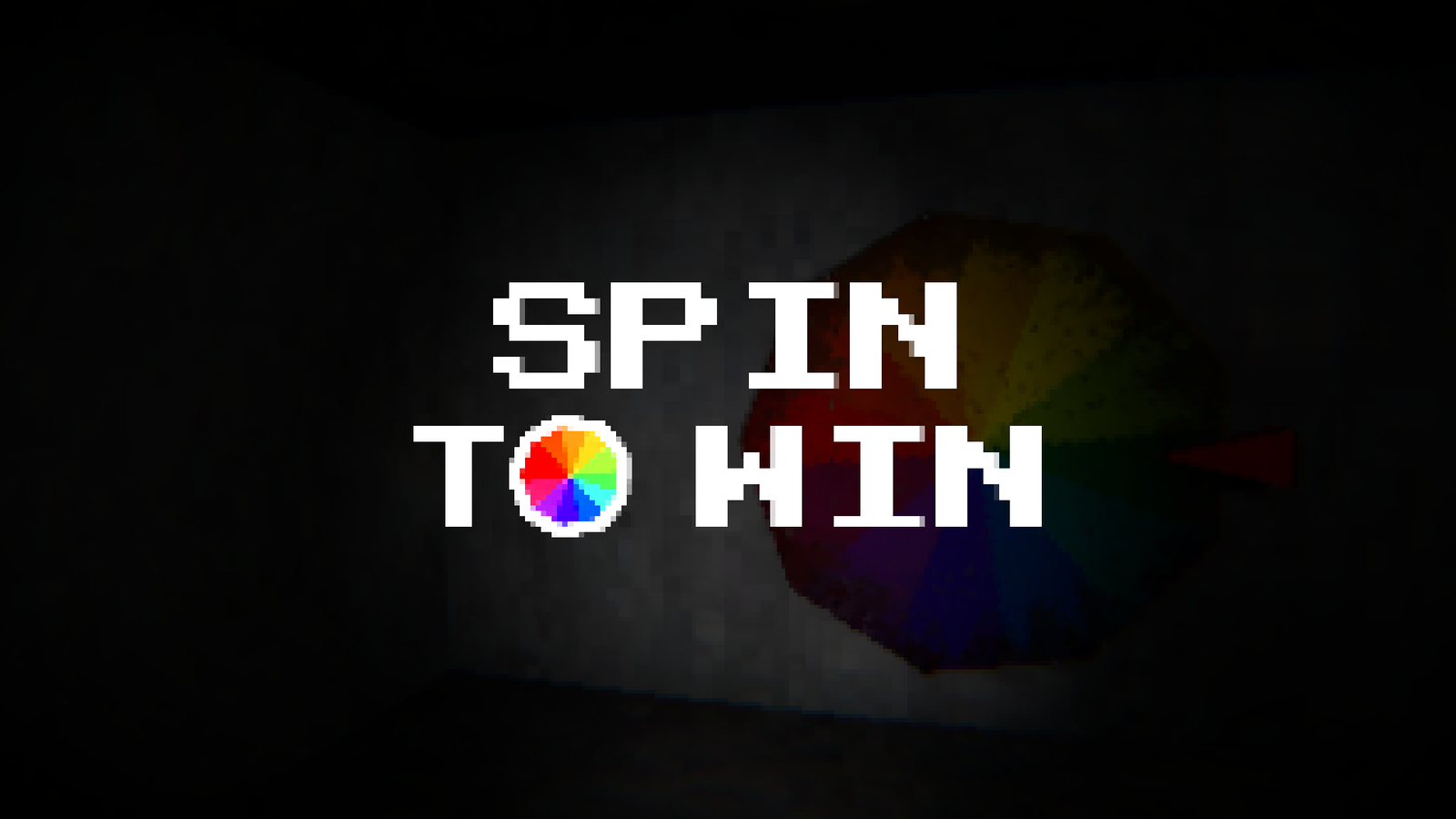
Fail 1: The “Spin-to-Win” Wheel of Sadness
A D2C fashion brand launched a summer sale with the classic “Spin-to-Win” widget. Users spun a wheel to unlock discounts.
The reality? Consumers knew the outcome. Most landed on the same 10% discount they could find elsewhere. There was no challenge, no surprise, and no reason to care. Engagement dropped, bounce rates climbed, and the collected emails offered little value.
Fail 2: The “Infinite Scroll of Doom” Microsite
A tech brand launched a heavy, WebGL-powered microsite with cinematic 3D visuals and long technical copy.
It looked stunning — but took 12 seconds to load on mobile. Most users left before it finished loading. Those who stayed skimmed for a few seconds, ignored the content, and exited without converting. Beautiful design, zero impact.

The Core Concept: From Passive Viewing to Active Play
Both campaigns failed for the same reason: they treated users as passive viewers. There was no agency, no challenge, and no meaningful reward.
| Gamification flips that model. |
Instead of presenting information, you create an environment where users interact, compete, and achieve. It taps into core human motivations — curiosity, competition, and reward — turning engagement into something users choose, not something they tolerate.
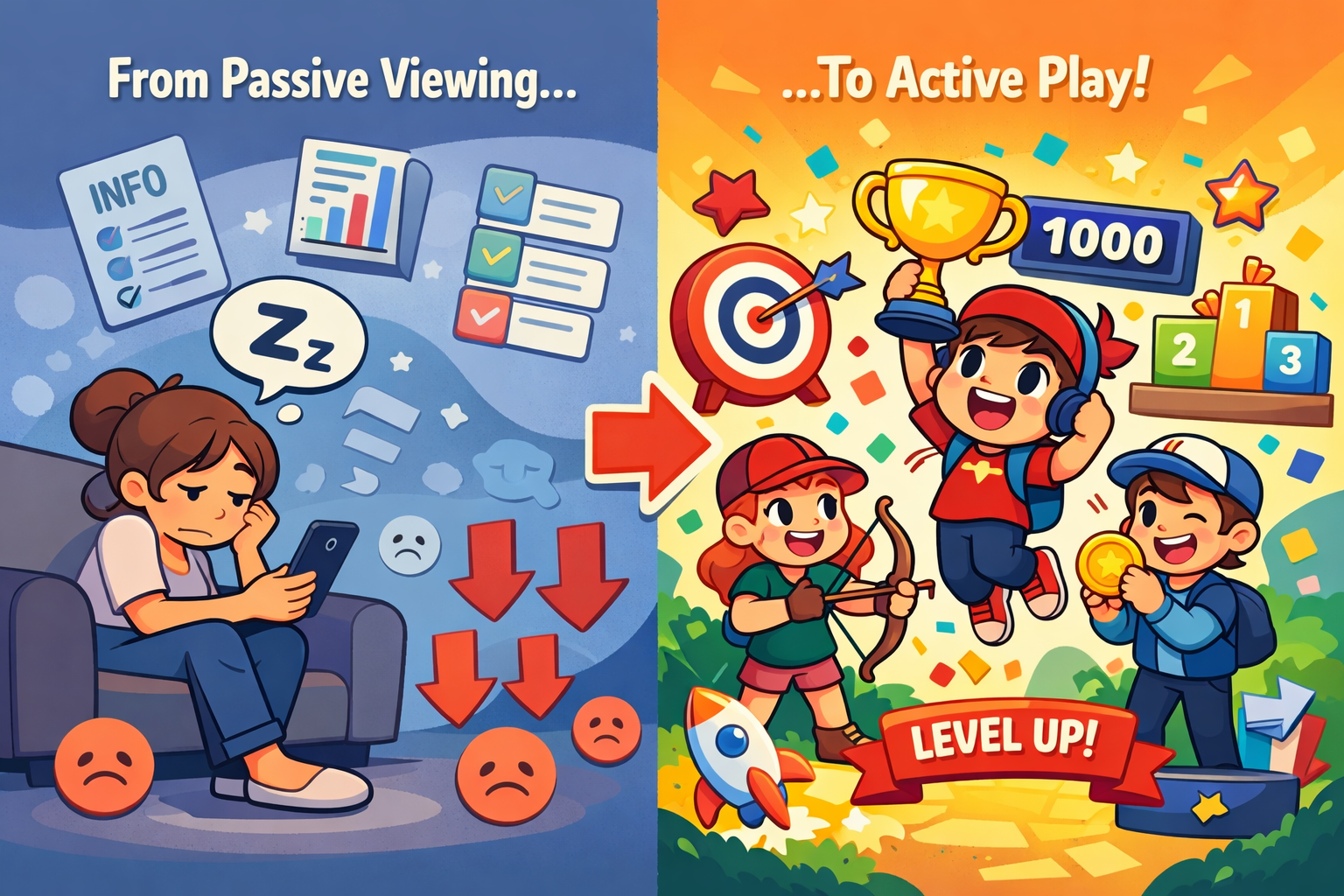
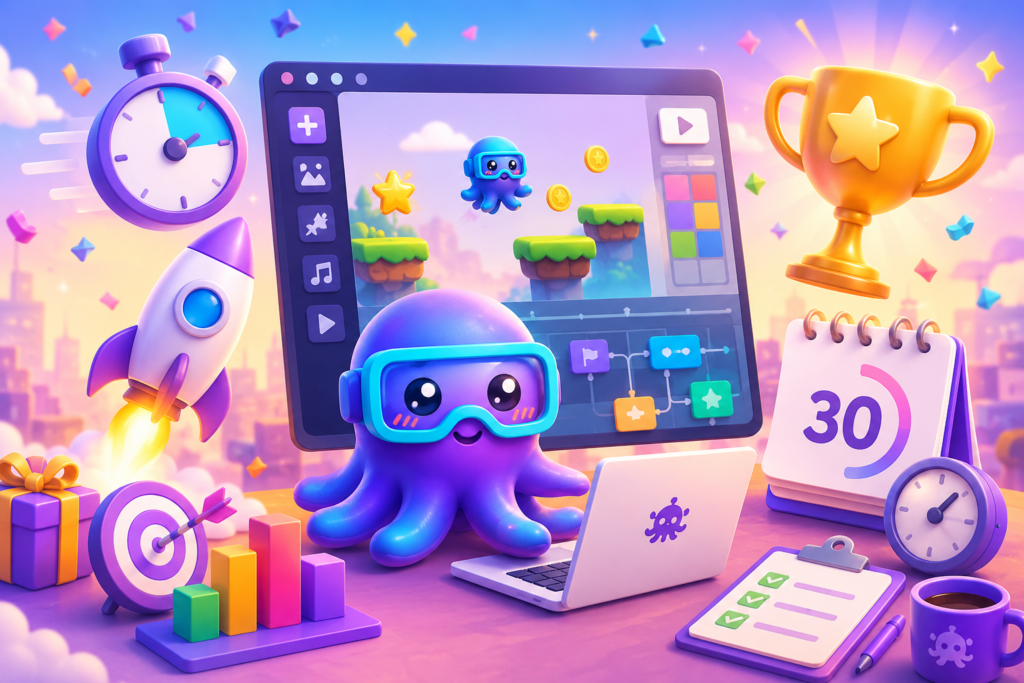
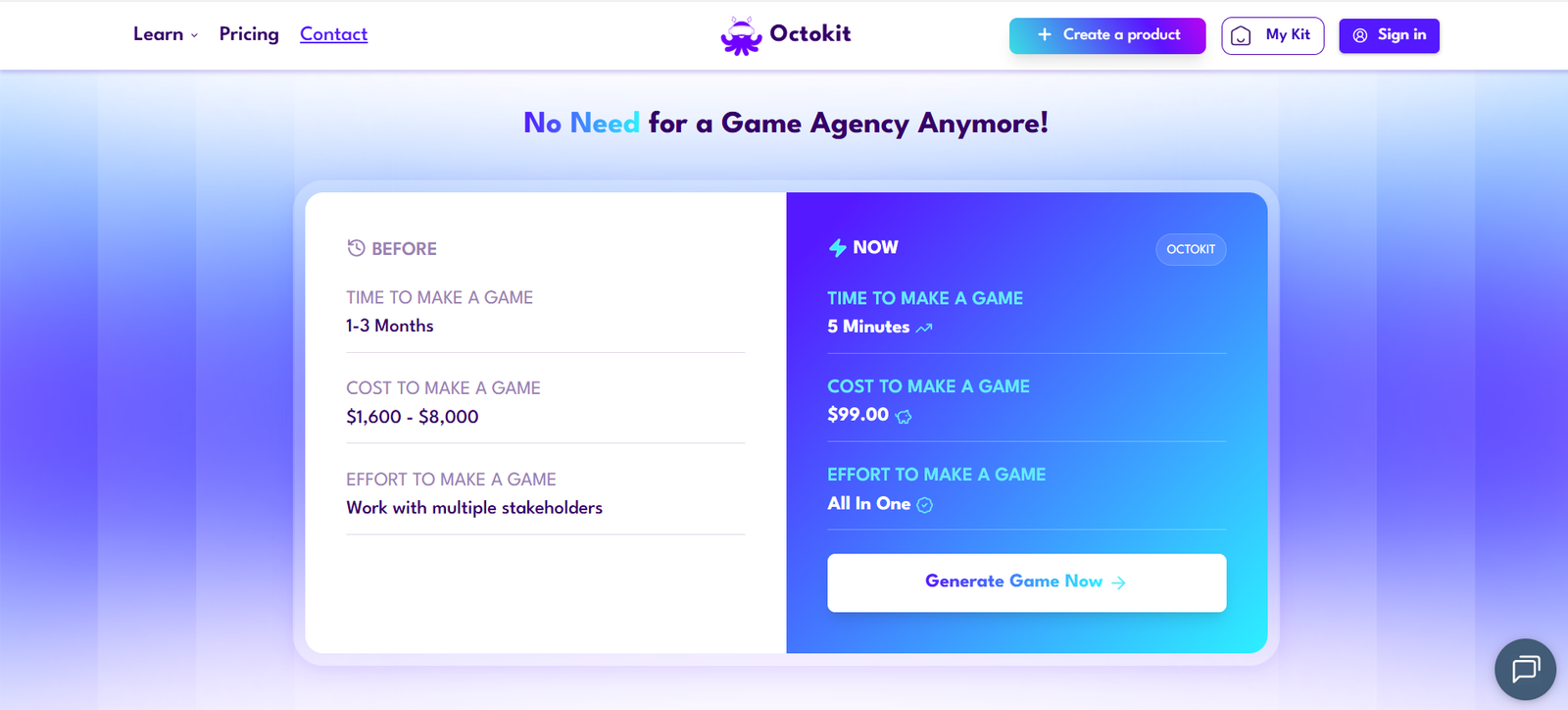
Traditionally, building a branded game required developers, long timelines, and high costs. Octokit removes those barriers. Its visual editor lets marketers design interactive experiences without writing code. Complex mechanics like scoring, movement, and triggers become simple logic blocks.
| “You define the idea — Octokit handles the technical layer.” |
Build Your First Marketing Game with Octokit
Ready to replace your static campaign? Here’s how:
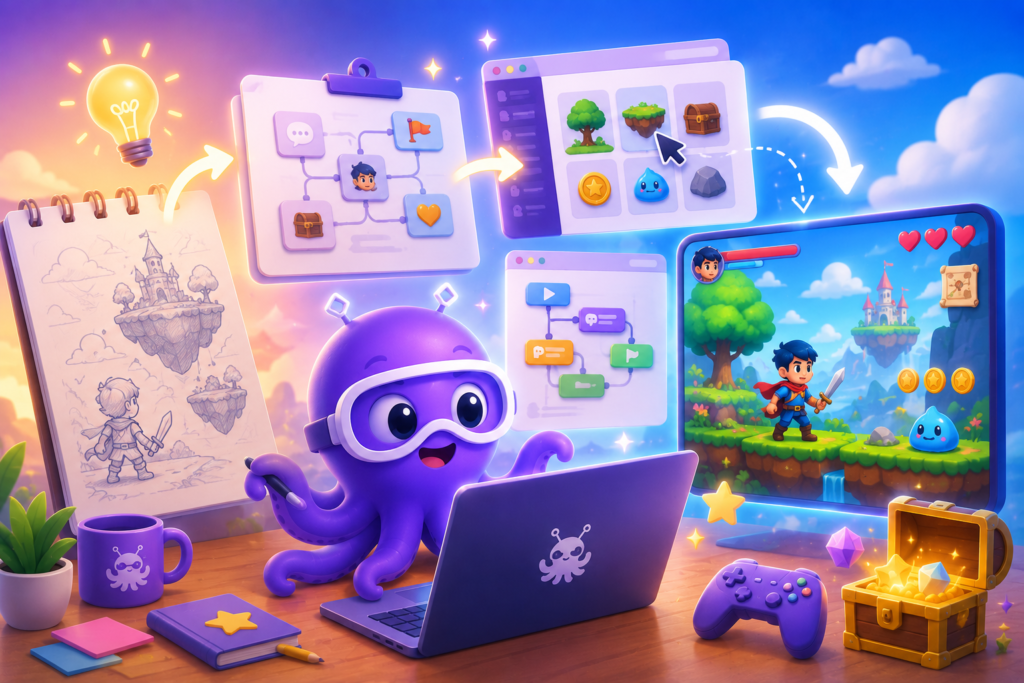
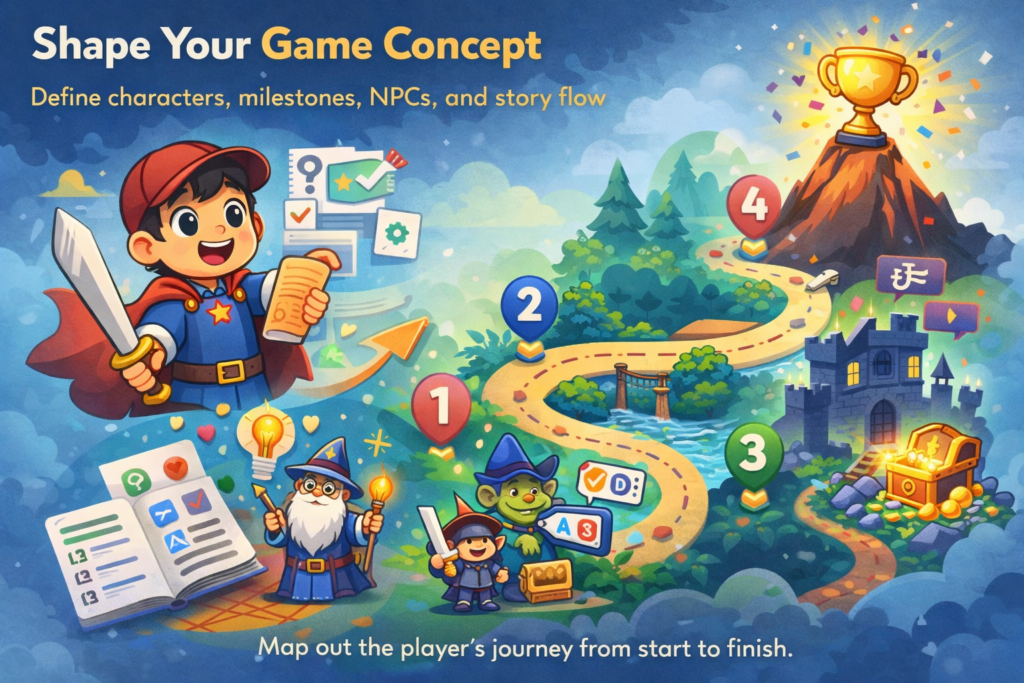
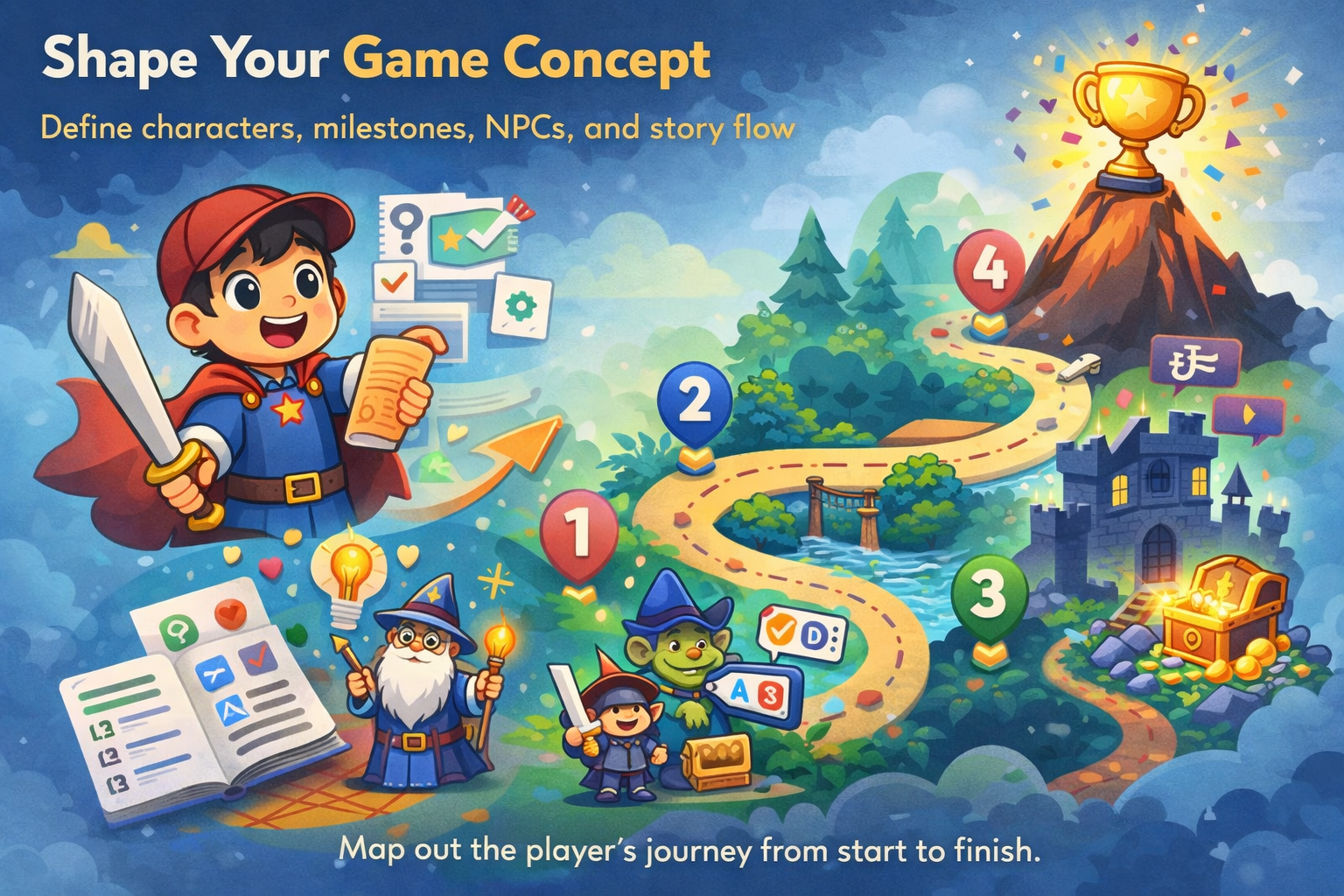
Step 1: Define the Action and Build Your Story
Replace passive goals like “fill out this form” with interactive challenges such as “survive 60 seconds” or “reach 1,000 points.”
Start by shaping your game concept: who is the main character, what journey they go through, and how many milestones players must reach. Decide whether NPCs appear along the way, what interactions they trigger, and how the storyline unfolds. By defining the core action and narrative early, you create a clear flow that guides players from the first interaction to the final reward.
Step 2: Drag, drop, and build
Upload your brand assets, place characters, and design your environment directly on the canvas.
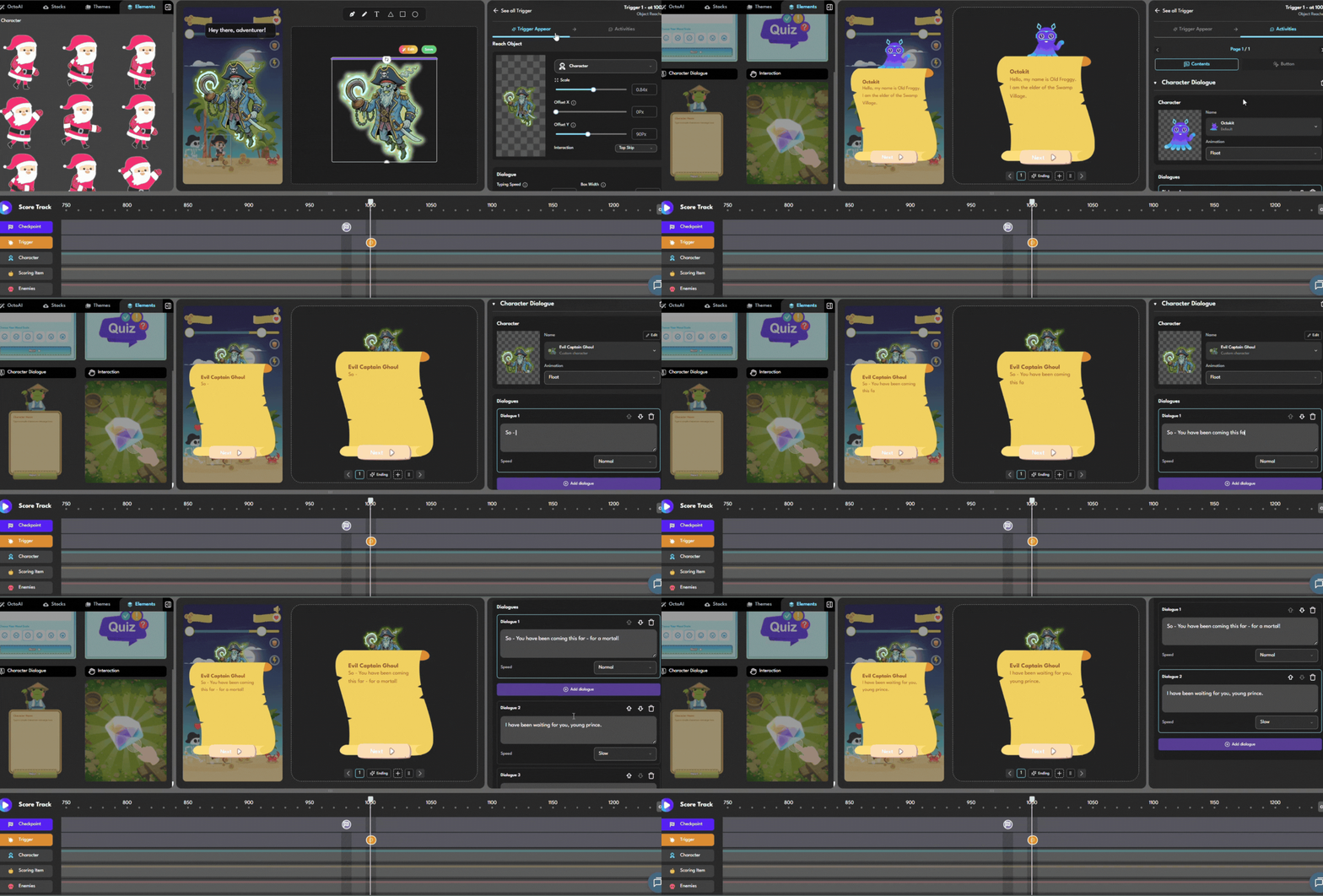
Step 3: Add Checkpoints, Triggers, and Interactive Moments
Bring your experience to life by adding checkpoints throughout the game. At each milestone, you can attach triggers that introduce NPCs, short interactions, or narrative popups. These moments can challenge players with quick quizzes, simple choices, or lead-capture forms that appear naturally within the gameplay.
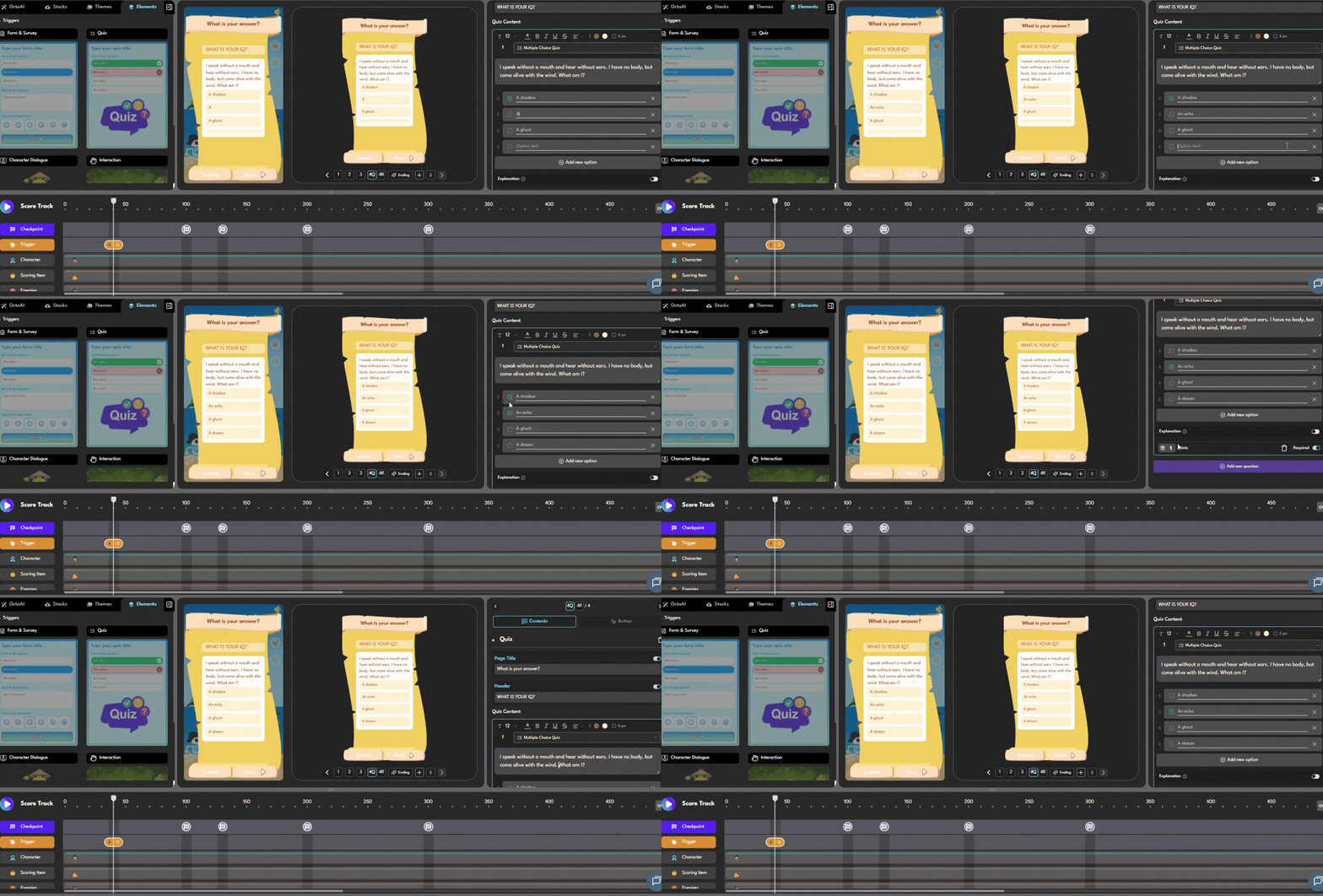
You can also reward users instantly after completing an interaction — unlocking bonuses, revealing messages, or progressing the story.
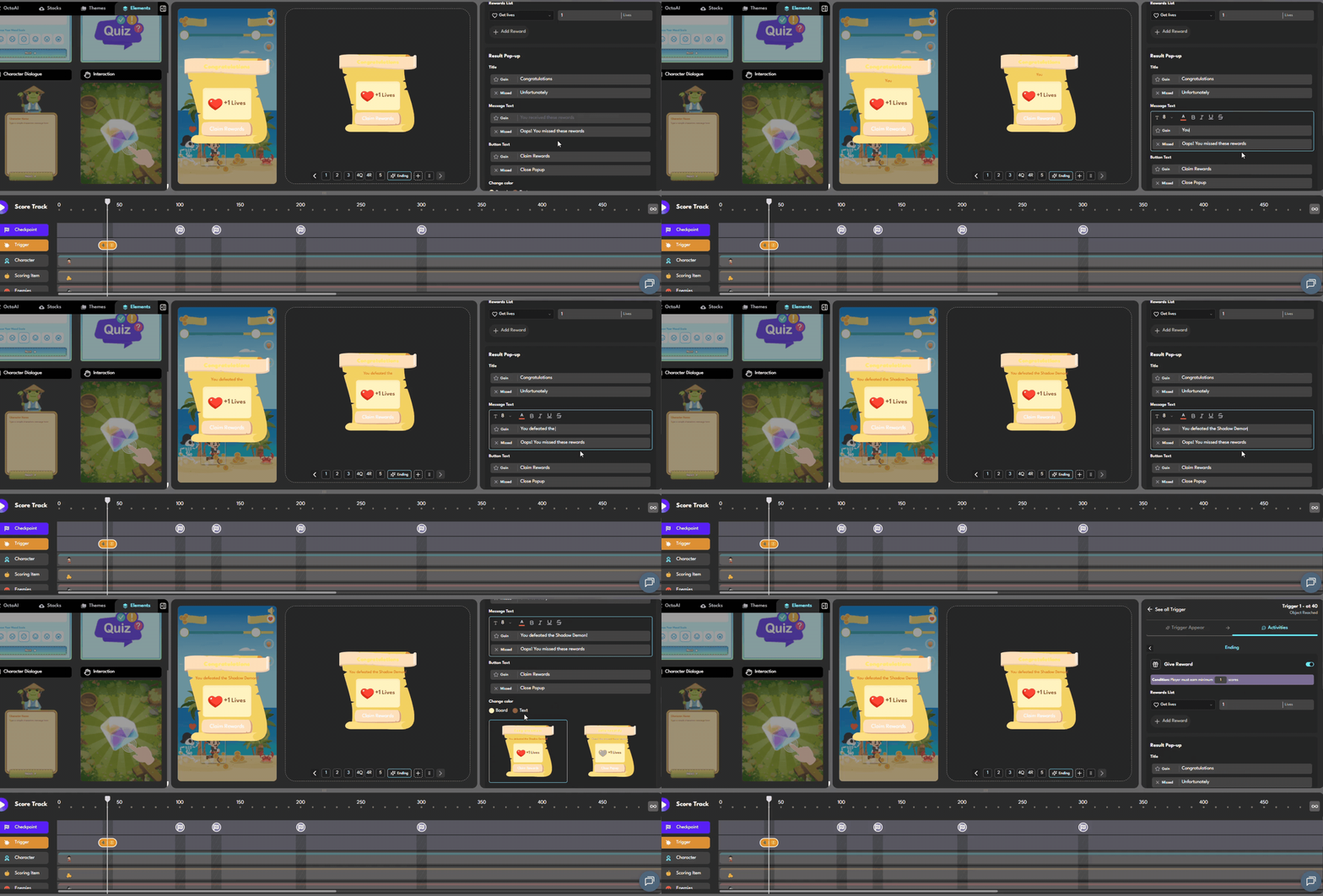
Instead of interrupting the experience, every trigger becomes a meaningful interaction that keeps players engaged while guiding them toward your campaign goals.
Step 4: Turn Your Game Into a Full Campaign System
Building a playable experience is just the beginning. With Octokit’s all-in-one engagement features, you can transform your game into a complete marketing campaign designed for retention, conversion, and repeat visits.
Add daily check-ins to reward players with extra turns and encourage them to return. Set up special “golden hours” to create urgency and boost traffic during key campaign windows. Introduce leaderboards to spark competition and motivate players to replay and climb rankings.
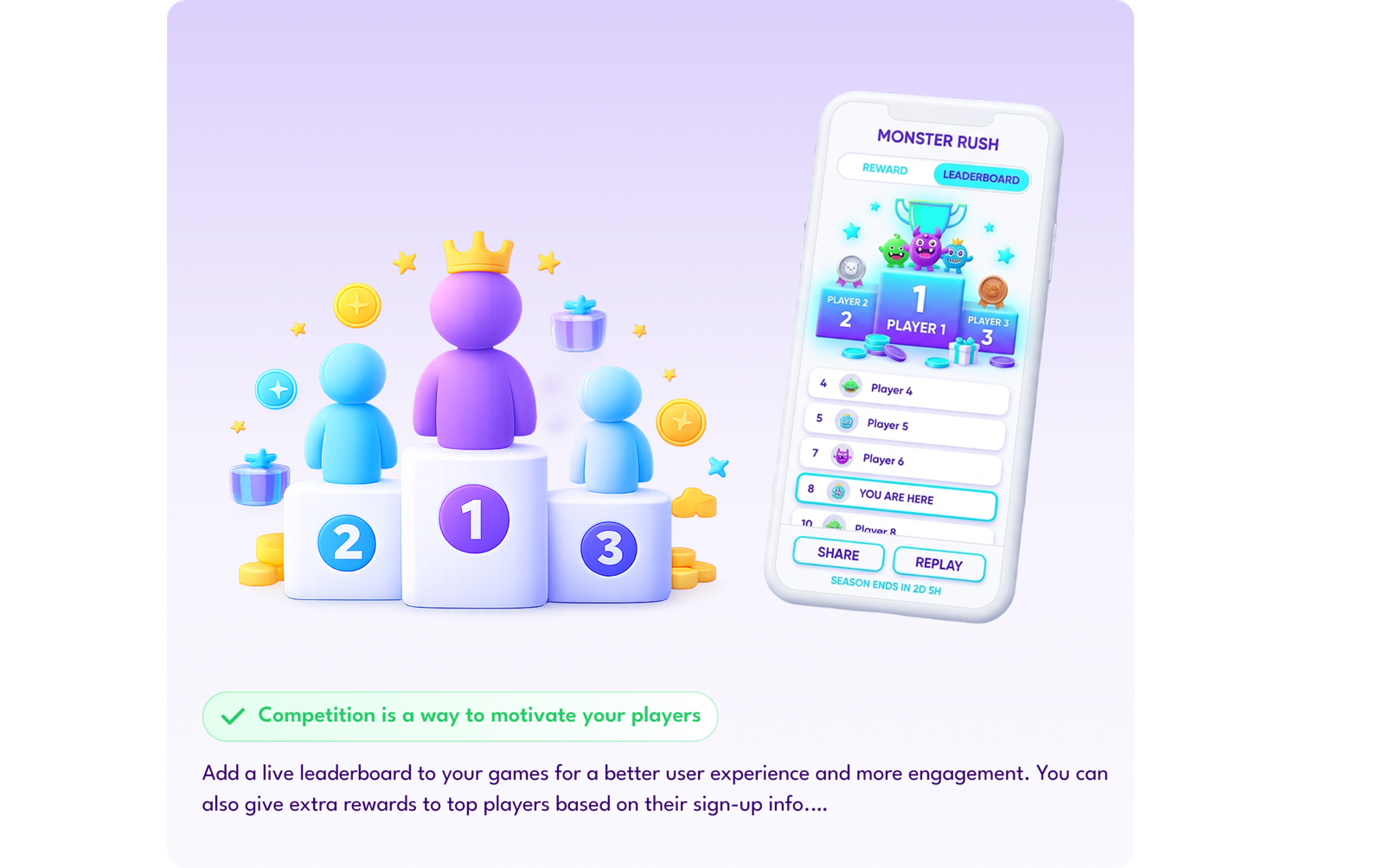
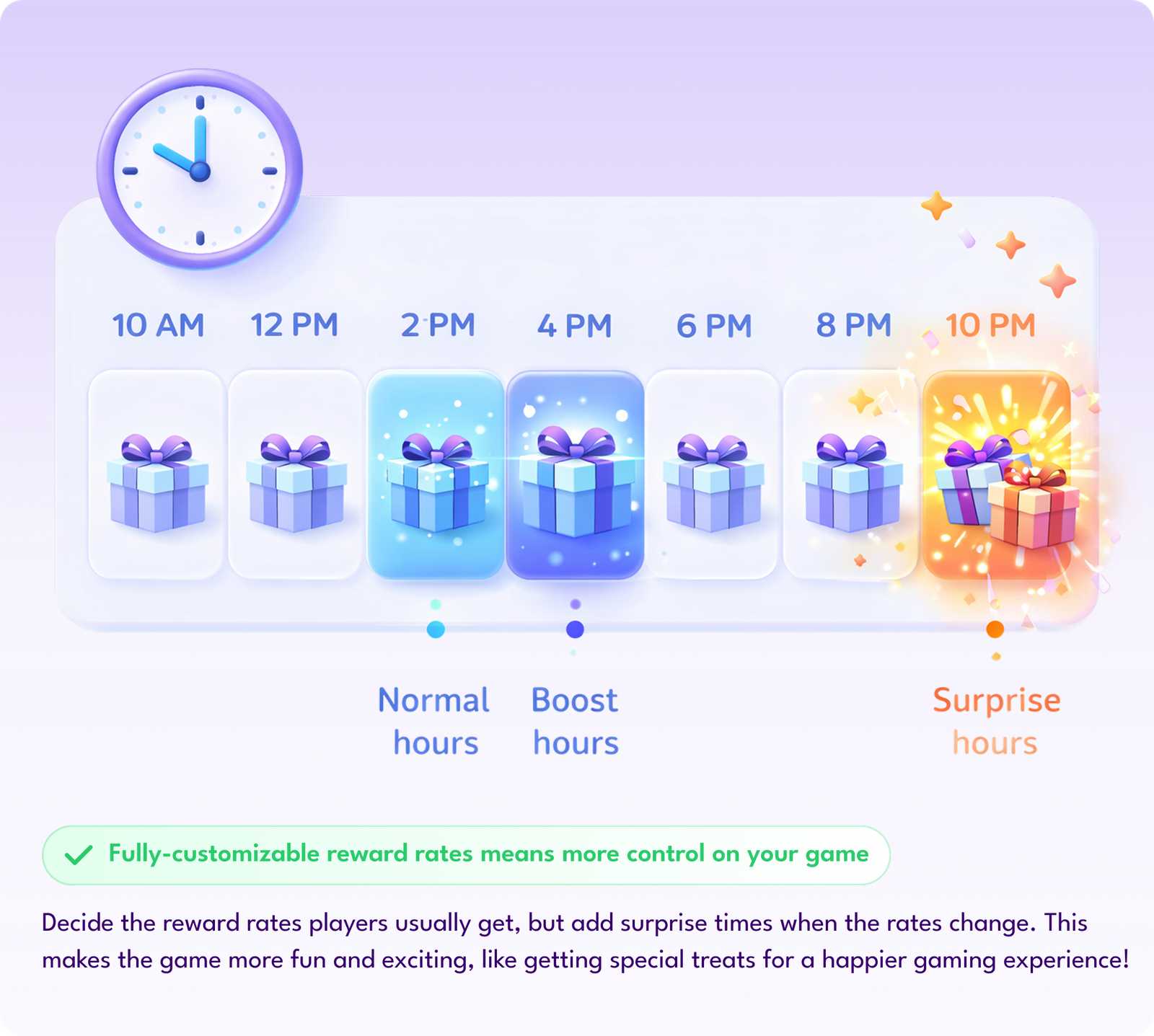
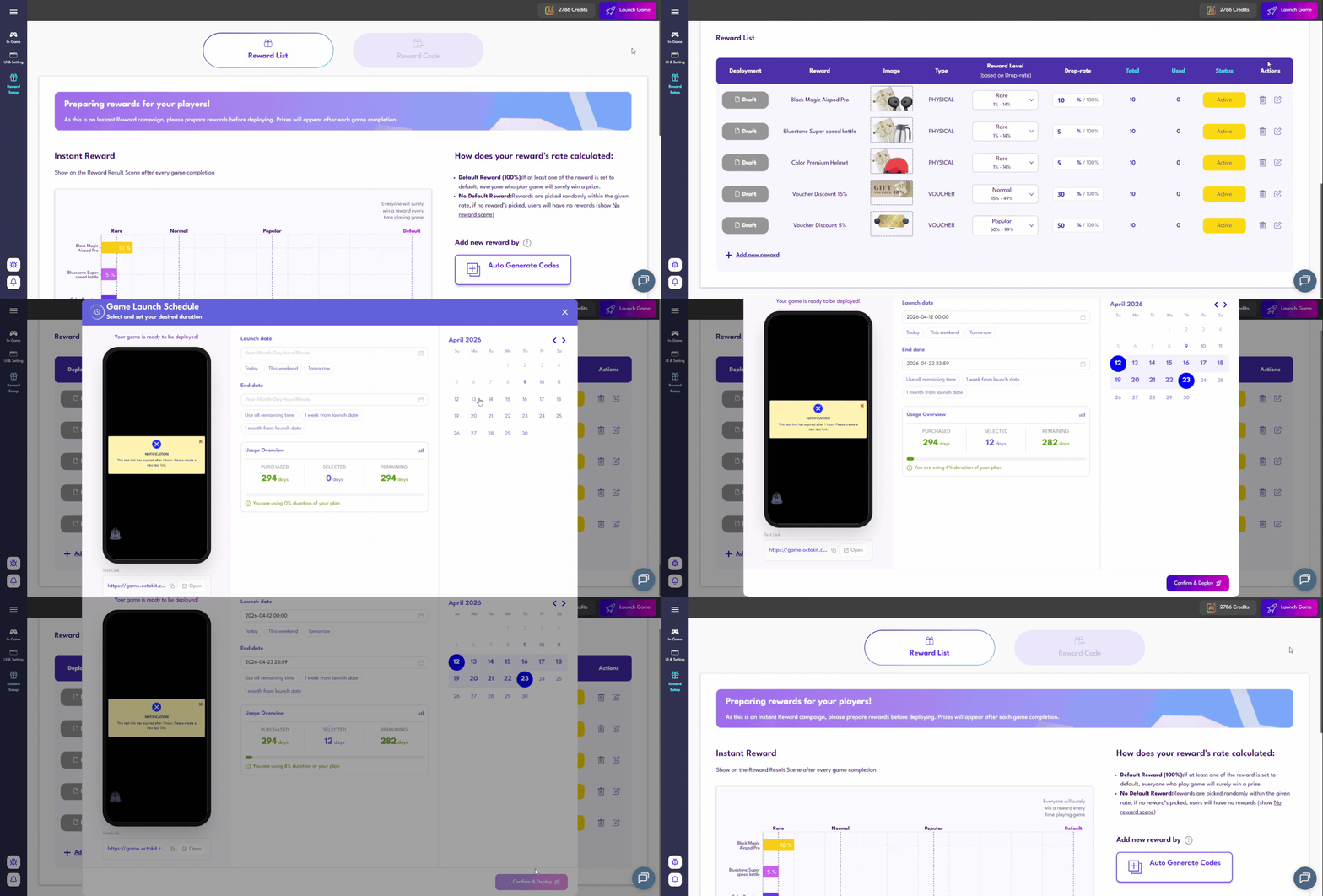
You can also automate your campaign flow with auto reward systems, deliver prizes directly via email, and collect verified leads through email or phone authentication with OTP checks. Use countdown boards to highlight limited-time events and drive participation before time runs out.
With these built-in features, your game doesn’t just engage users once — it becomes a structured campaign that drives retention, builds loyalty, and maximizes conversions.
Step 5: Launch instantly
Publish your game across web, mobile, and social media — no additional development required.
Conclusion: Stop Building Campaigns People Ignore
The era of static digital campaigns is fading. Audiences don’t want to scroll — they want to interact. By replacing passive pages with playable experiences, brands can capture attention, increase engagement, and drive meaningful conversions.
Ready to turn your next campaign into something people actually want to play?
| Start building with Octokit today — no code, no long timelines, just your idea brought to life in minutes. |
 Back
Back