


Open your analytics. If your bounce rate is near 80% and people leave in under 10 seconds, you already know something’s wrong.
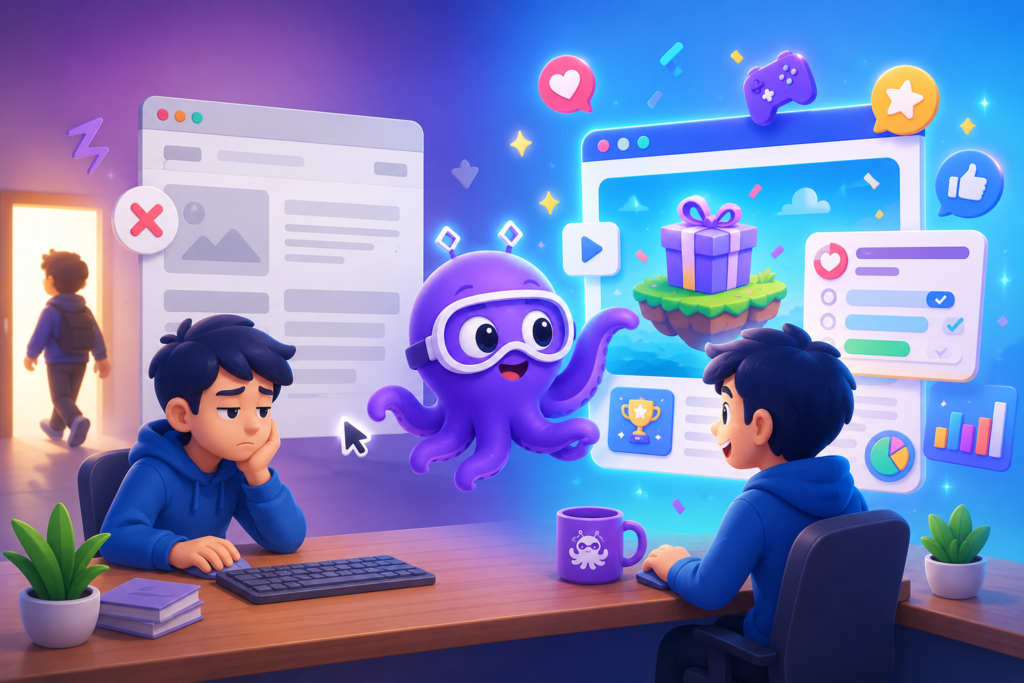
People don’t have patience for long text and stock photos anymore. If your site only talks at them, they close the tab and find something that talks back instead.
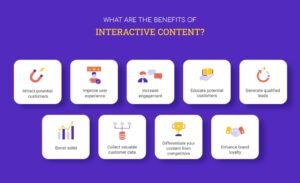
Why People Leave So Fast
A few things drive this, and none of them are complicated:
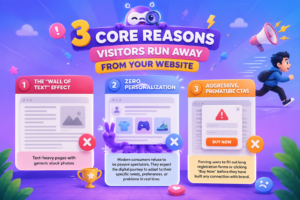
- Walls of text. A page full of dense paragraphs and generic stock images makes people’s brains check out before they even start reading.
- Zero personalization. People expect a page to respond to them, not treat every visitor exactly the same.
- Asking too soon. A sign-up form or a “Buy Now” button before anyone’s built any trust in your brand just pushes them away.
Interactive Content Fixes This
Reading is passive. Tapping, choosing, and answering is active, and active is what keeps people around.
A few formats that consistently work:
Interactive quizzes. Instead of a 2,000-word post recommending a product, ask four quick questions like “what’s your main concern?” or “what’s your budget?” and show the right match at the end.
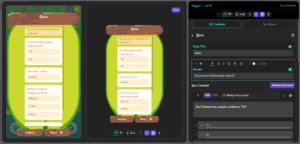
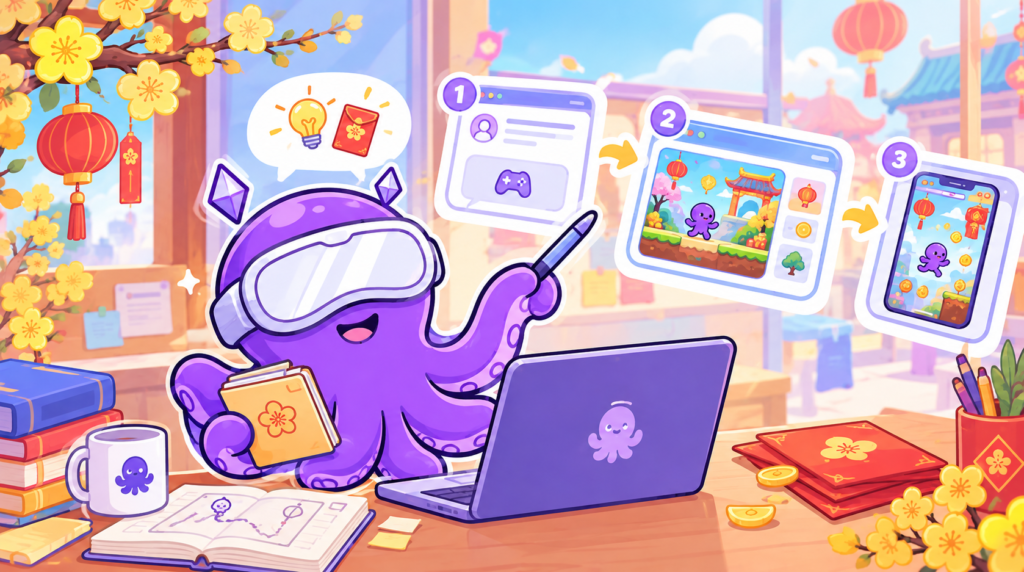
Story-driven mini-games. Skip the lucky wheel. A short game where players guide a character through your brand’s world, solving a small challenge along the way, holds attention far longer than a static banner ever will. Younger audiences especially respond to this, they want to feel like they’re part of something, not being sold to. If you want to see how a narrative-driven game actually gets built, this trigger system guide walks through it.
Playful sign-up forms. A plain “subscribe” box gets ignored. Offer an extra turn or a reward for saving a high score, and people will happily hand over a real phone number or email for it.
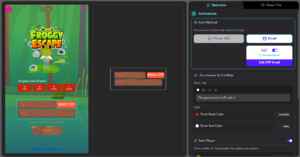
Build This Without a Developer
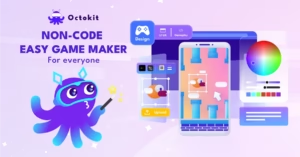
Most teams avoid interactive content because it sounds expensive and slow to build. With Octokit, it isn’t.
- Drop it in anywhere. Copy an embed code into WordPress, Shopify, Webflow, or plain HTML, and it just works.
- Keep your brand consistent. Swap in your own images, colors, and logo in a few clicks.
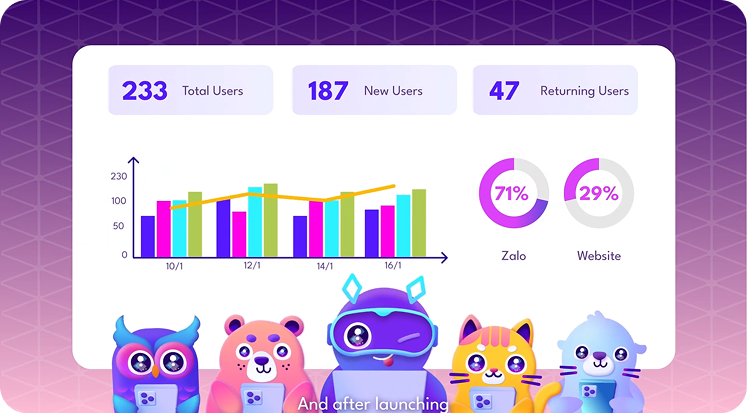
- See what’s working. A built-in dashboard shows exactly where people drop off, so you can fix it fast.
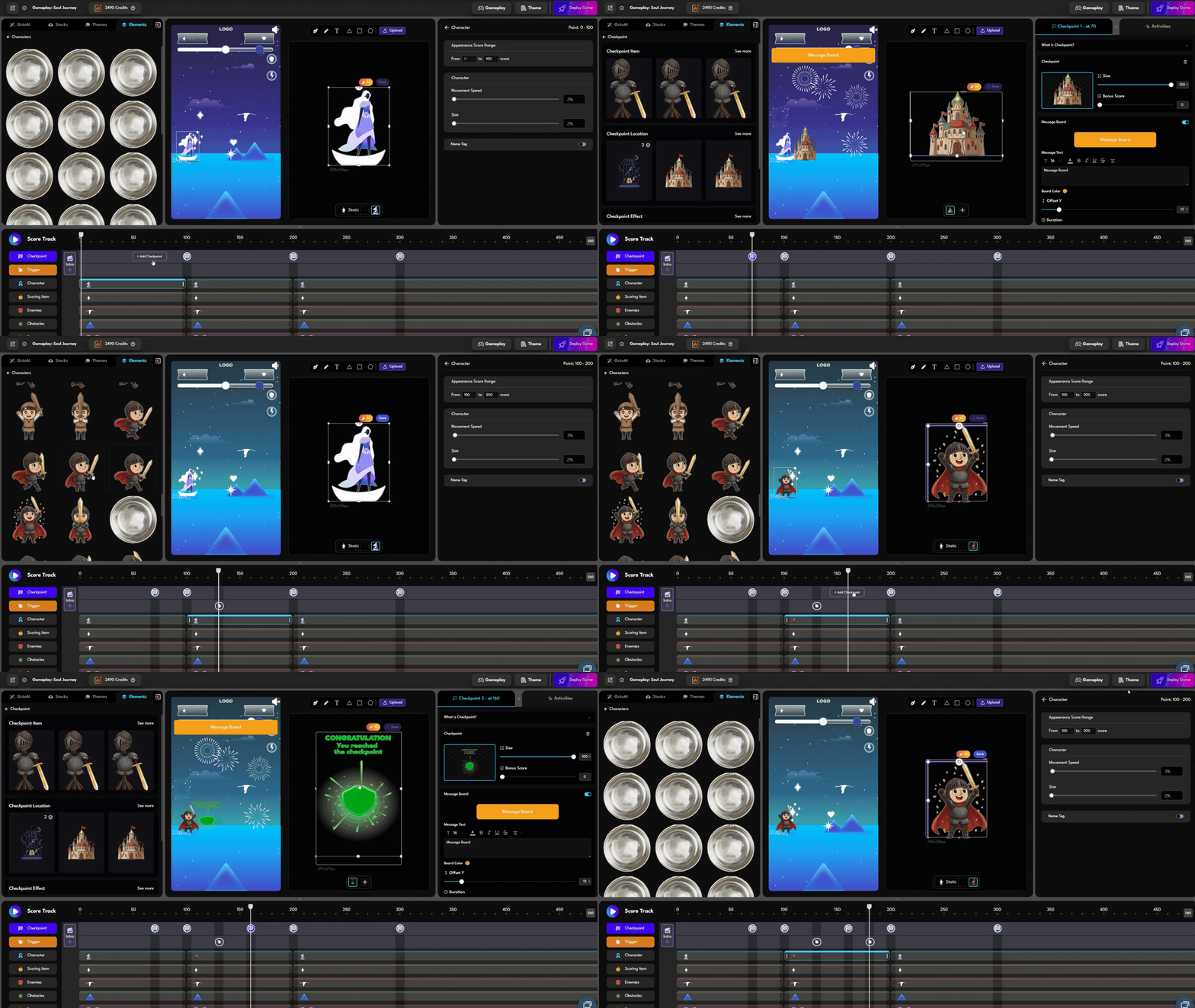
For a full step-by-step on planning and launching your first one, this A-Z checklist is a solid place to start.
The Bottom Line
Every visitor who bounces in ten seconds is ad spend you already paid for and got nothing back on. A static page can’t hold anyone’s attention anymore. A short, playable experience can.
Try Octokit free at octokit.co. No developer needed.
 Back
Back