


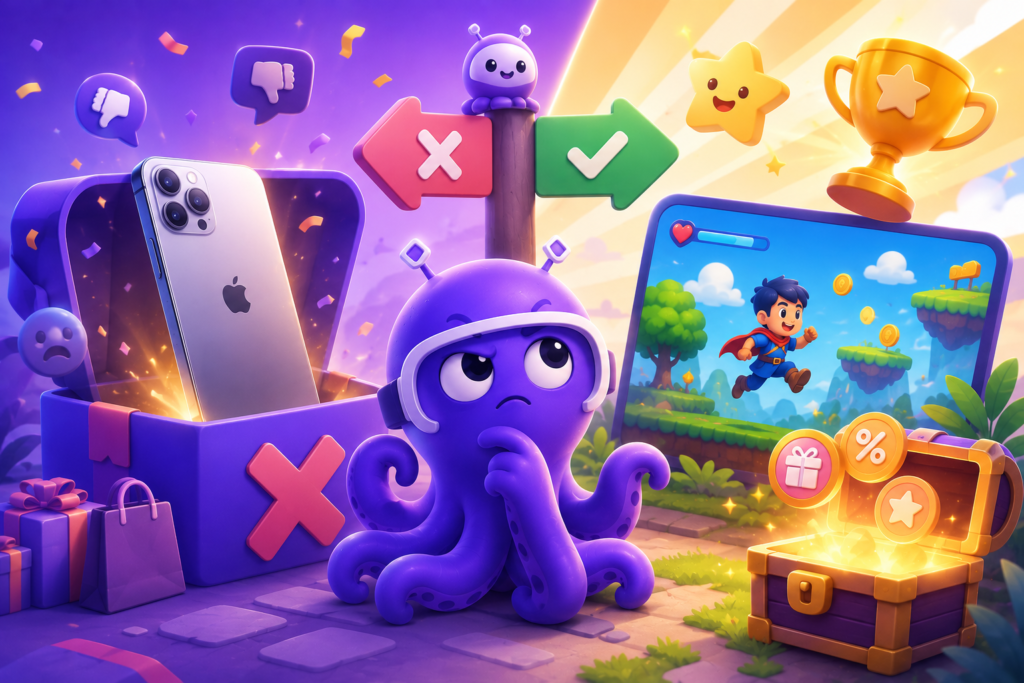
Every year, brands spend thousands—sometimes tens of thousands of dollars—on campaign prizes. The math seems simple on paper: the bigger the reward, the better the engagement… right?
Not exactly.
We have all witnessed campaigns giving away the latest iPhones, luxury vacations, or high-value shopping vouchers that still struggle to generate any meaningful participation. At the exact same time, a minor cult-favorite campaign offering nothing more than a quirky branded tote bag or a free cup of coffee somehow attracts tens of thousands of highly motivated entries.
The difference isn’t the monetary value of the prize. The difference is the experience leading up to it.
When you rely solely on expensive bribes to attract users, you aren’t building brand loyalty; you are renting short-term attention. To build campaigns that actually convert and stick in the minds of your audience, you must shift your focus toward smart interactive content design. Let’s explore why big prizes fail and how you can design experiences that keep users hooked from the first click to the final reward.
1. Bigger Prizes Don’t Automatically Create Better Campaigns
A lavish prize is great for capturing initial attention. It acts as a loud billboard. But a billboard can only do so much; it doesn’t guarantee sustained engagement.
People click because they see a glittering reward. However, they stay because they are enjoying the active experience. Without an engaging interactive journey, your expensive marketing campaign quickly devolves into a flat, transactional giveaway.
If massive rewards aren’t the real driver of deep digital engagement, what is?
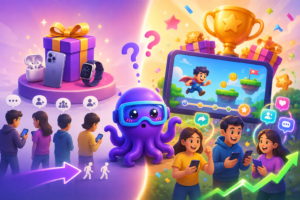
2. People Don’t Chase Rewards. They Chase Feelings.
To design campaigns that capture real human attention, we have to look closely at human psychology. In marketing and game theory, we learn that winning is exciting, but the psychological process of trying to win is often infinitely more exciting.
Humans are wired to enjoy specific neurological triggers:
-
Curiosity & Anticipation: The thrill of the unknown.
-
Surprise: The dopamine hit of an unexpected outcome.
-
Achievement & Progress: The satisfaction of moving forward.
-
Competition & Discovery: Testing one’s luck or skill against a system or peers.
Think about why millions of people around the world drop coins into arcade claw machines. Is it because a generic, mass-produced plush toy is highly expensive or rare? Absolutely not. You could easily buy the exact same toy online for a couple of dollars. People play because catching the toy yourself—navigating the claw, testing your spatial coordination, and watching it drop into the prize chute—feels incredibly satisfying.
The emotional journey of the chase is worth far more to our brains than the actual market value of the prize. When you design your landing pages around these psychological triggers, you prevent high bounce rates. If you want to understand how static sites lose these valuable seconds of attention, read our deep dive on Why Visitors Leave Your Website in Seconds (And How Interactive Content Keeps Them Around).
3. The Best Campaigns Reward Participation, Not Just Winners
The fatal flaw of the “iPhone giveaway” is that there is only one winner and thousands of losers. Everyone else who participated walks away with nothing, associating your brand with a waste of time.
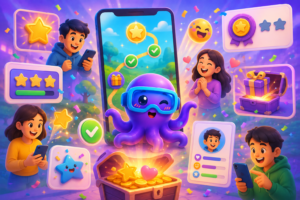
Great gamified campaigns utilize a structured game loop that rewards participation at every single step. By integrating smart micro-incentives throughout the user journey, you ensure that every participant feels a sense of personal achievement:
-
Small Wins: Awarding points, digital stars, or fun visual cues for completing minor tasks.
-
Milestone Badges: Unlocking progress achievements as they navigate your story.
-
Instant Feedback Loops: Providing immediate, gratifying sounds, animations, or personalized text updates when a user interacts.
-
Personalized Endings: Delivering customized results or personality profiles based on how they played, rather than a generic “Thank you for entering” screen.
When users feel they are making tangible progress, they don’t drop off. They become active players in your brand’s universe.
4. Great Rewards Feel Earned (The IKEA Effect)
In behavioral economics, the “IKEA Effect” describes a cognitive bias in which consumers place a disproportionately high value on products they partially created or assembled themselves.
The same rule applies to your marketing incentives. People value rewards significantly more when they have invested personal effort to obtain them.
-
Finish a quick, interactive 3-question diagnostic quiz.
-
Solve a simple, thematic visual puzzle.
-
Complete a short daily challenge or collect digital stamps.
-
Navigate a branching story path to unlock a hidden outcome.
Because the user invested their own cognitive effort to reach the end, the final discount code or voucher feels like a hard-won trophy rather than spammy junk mail. This transition from static reading to active playing is simple when you treat your campaign like a narrative. For a practical look at how to structure these flows, check out From Story Idea to Playable Game (No Coding Required).
5. Actionable Framework: Design the Experience Before the Prize
Before you run out and buy physical prizes for your next campaign, stop. Use this three-step design framework to structure your campaign from the inside out:
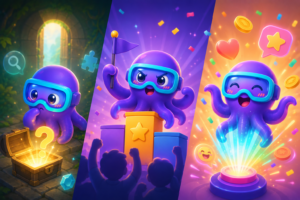
Step 1: Define the Core Emotion
What do you want your audience to feel when they land on your page?
-
Curiosity? (Make them want to uncover a secret).
-
Competition? (Make them want to beat a high score).
-
Joy/Excitement? (Make them feel the rush of instant feedback).
Step 2: Choose Your Interactive Mechanic
Select the gamified system that naturally delivers that target emotion. For example:
-
-
For High Suspense: A virtual lucky wheel or scratch-and-reveal card keeps eyes glued to the screen as the prize spins into place.
-
For Intense Curiosity: Gated reveals or multi-step mystery boxes tap into the human urge to open and discover what is hidden inside.
-
For Deep Narrative Immersion: A mini story-game, diagnostic assessment, or interactive quiz transforms your value proposition into an active role-playing adventure.
-
Step 3: Align the Reward
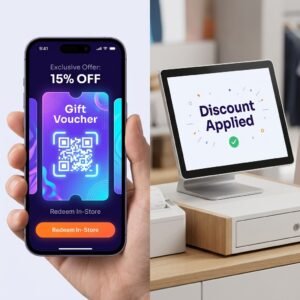
Only after the experience is fully mapped should you select your prize. The reward should seamlessly reinforce and validate the journey the player just completed, not act as a desperate distraction to cover up a boring page.
6. Small Rewards Can Create Big Moments
When the interactive journey is designed beautifully, you don’t need a massive budget to drive record-breaking conversions. Small, thoughtful, or highly exclusive rewards can easily create memorable brand moments:
-
Custom Digital Collectibles: Limited-edition wallpapers, custom profile badges, or discord roles.
-
Special Access: Getting early access to a new product drop or an exclusive piece of content.
-
Delightful Low-Cost Tangibles: Brand-aligned sticker packs, high-quality keychains, or a free beverage coupon.
-
Public Recognition: Spotlighting high-scoring players on a live leaderboard.
These rewards work because they carry cultural or emotional value that far exceeds their raw manufacturing cost.
7. This is Why True Gamification Works
True gamification isn’t about making your prizes bigger. It is about making the journey toward those rewards highly enjoyable.
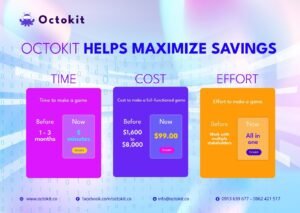
This is where a modern no-code game editor changes the game for marketing teams. You don’t need an army of developers or a six-figure creative budget to build these deep interactive pathways.
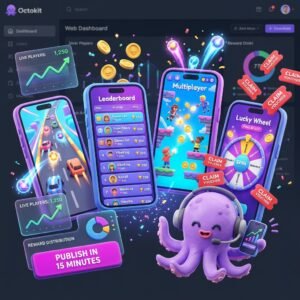
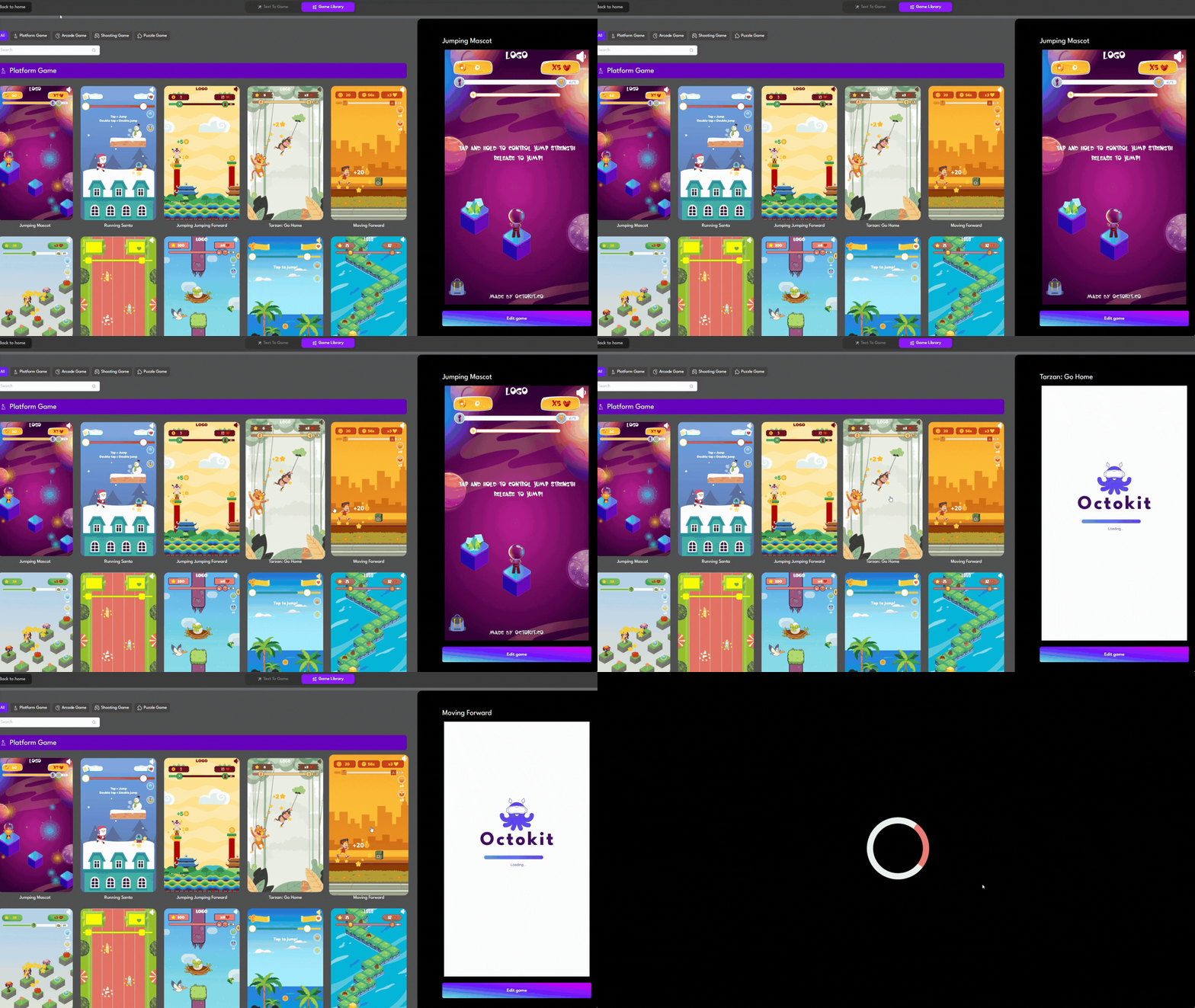
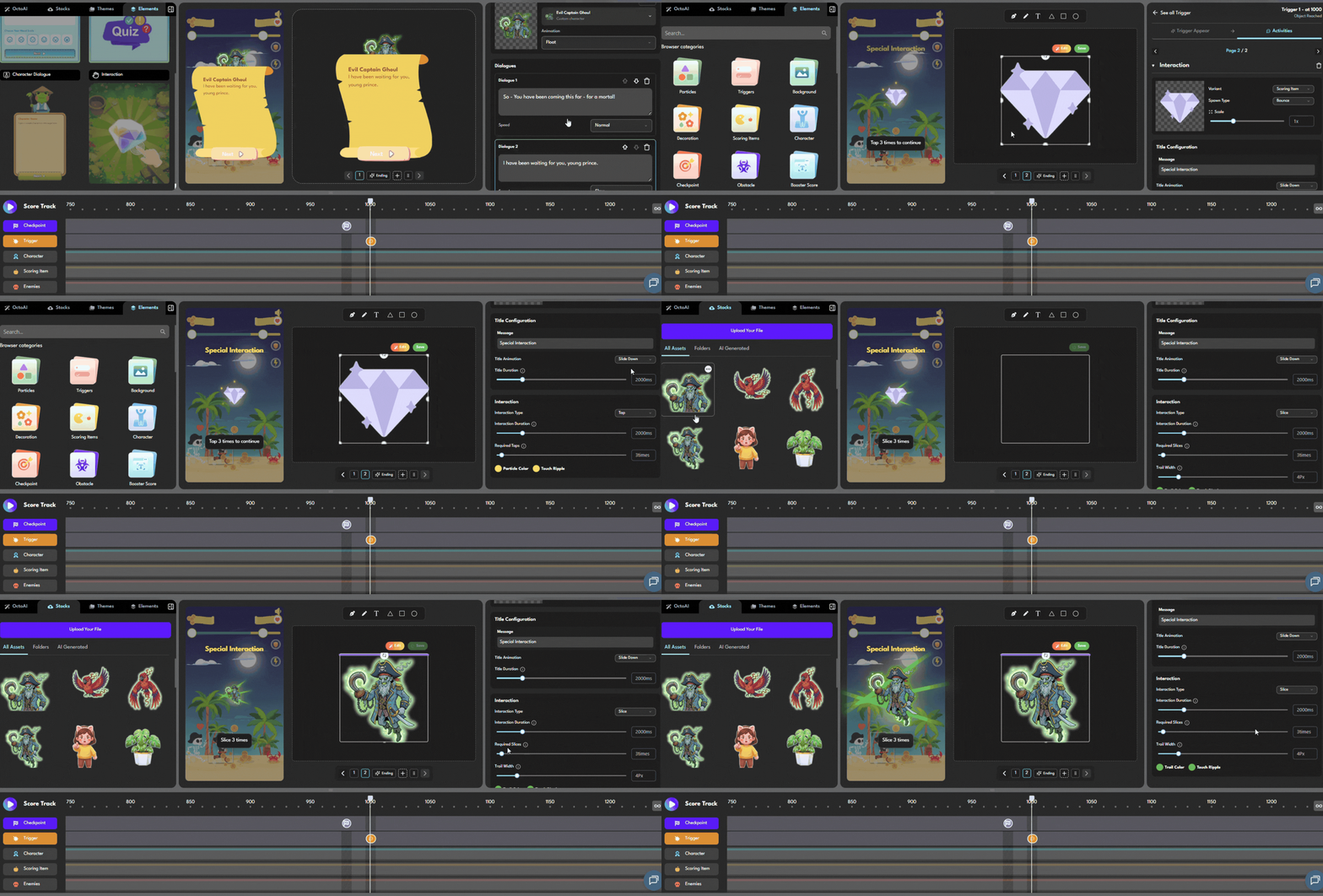
With a visual story game maker like Octokit, you can easily design, deploy, and manage custom interactive assets directly from your browser. Marketers can create games with Octokit using intuitive, drag-and-drop tools to build:
-
High-converting Lucky Wheels and Scratch Cards.
-
Thematic, branching story-games and diagnostic quizzes.
-
Real-time Leaderboards with built-in, secure OTP registration and automatic reward distribution.
The platform allows you to stop worrying about database management, security protocols, or custom code, freeing you to focus entirely on crafting the perfect user experience.
Conclusion: Stop Buying Attention. Start Designing It.
Anyone with a credit card can buy an iPhone and raffle it off online. But the brands that audiences truly remember—and return to—are the ones that make the process of earning a reward fun, memorable, and personally satisfying.
Long after your campaign ends, your customers won’t just remember what they won. They will remember exactly how the experience made them feel.
| Sign up for a free Octokit account today, start to create games with octokit, and begin designing memorable interactive experiences that turn passive clicks into loyal customers! |
 Back
Back