


Introduction
In today’s digital world, grabbing attention is harder than ever — especially during large seasonal celebrations where every brand is competing for visibility. For occasions like Children’s Day, traditional campaigns filled with static banners, discount posts, and microsites are quickly losing effectiveness. Families no longer want passive advertising experiences. They want interaction, entertainment, and emotional connection.
That’s exactly why gamification marketing has become one of the fastest-growing trends among modern brands.
From interactive lucky wheels to playable storytelling experiences, mini-games are transforming the way brands engage families during Children’s Day campaigns. Instead of simply telling audiences about a promotion, brands are now creating experiences that children and parents can actively participate in together.
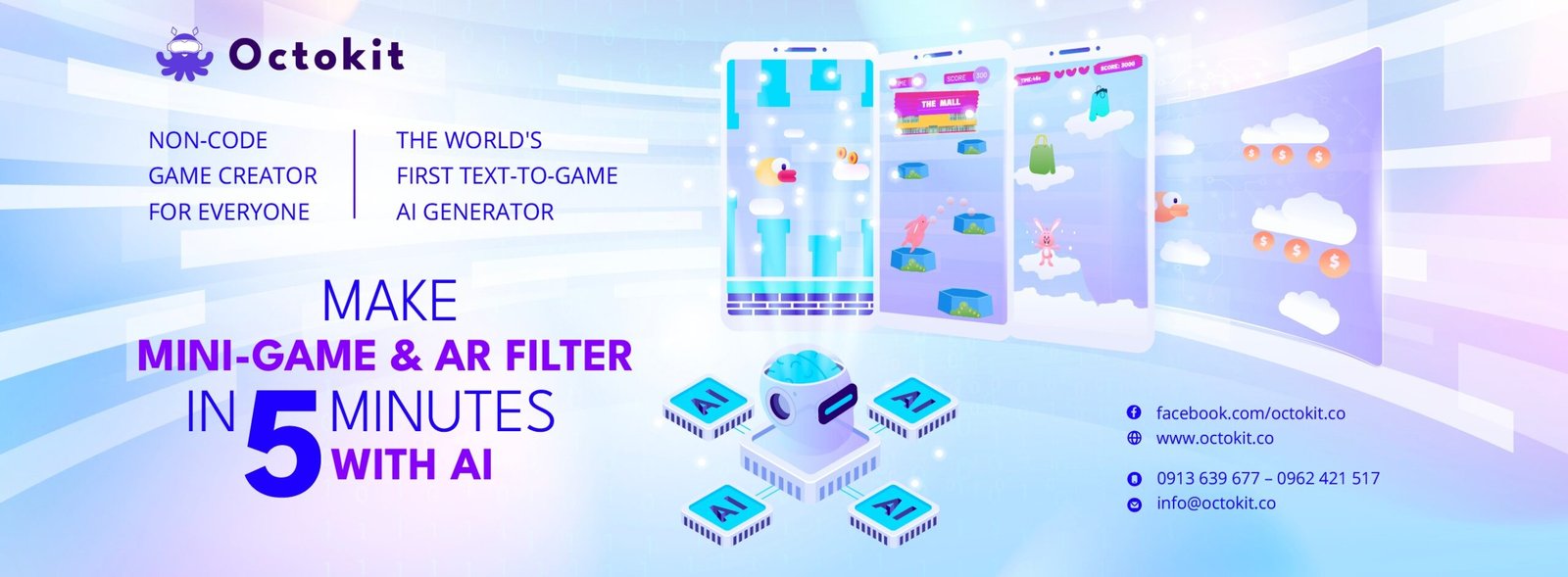
And with platforms like Octokit, launching these experiences no longer requires large development teams, expensive production timelines, or months of preparation.
Why Children’s Day Campaigns Need More Than Discounts
Children’s Day is emotionally driven. Unlike regular shopping campaigns, parents are looking for moments of joy, bonding, and entertainment for their children.
That means the most successful campaigns are no longer the ones with the biggest discount.
They’re the ones that create memorable interactions.
Modern consumers — especially younger families — are constantly exposed to content across TikTok, Instagram, YouTube, Facebook, and mobile apps. Attention spans are shrinking, and static campaigns struggle to keep audiences engaged long enough to leave an impression.
Mini-games solve this problem naturally because they transform passive viewers into active participants.
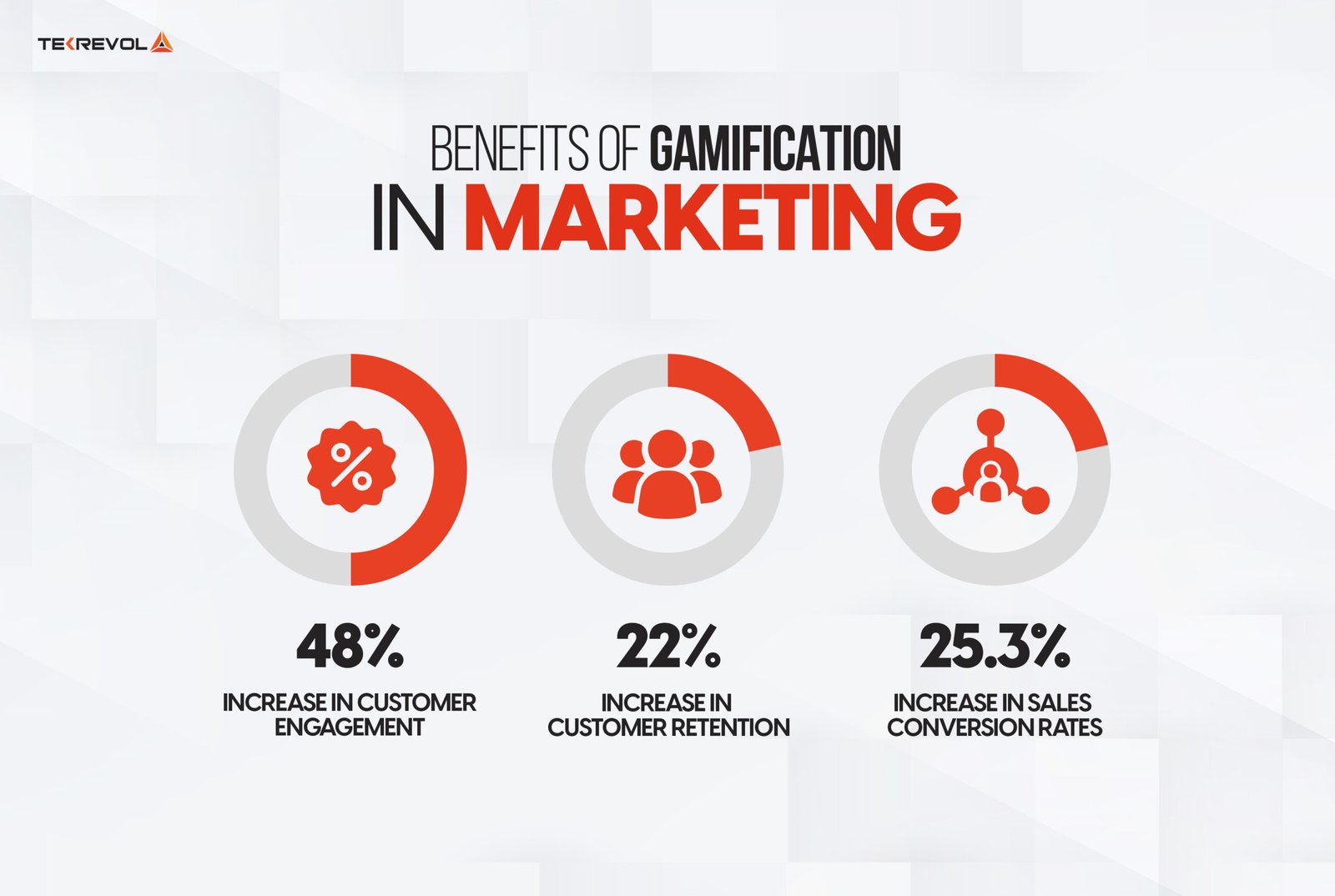
Instead of scrolling past a campaign, users:
- Play
- Interact
- Compete
- Share scores
- Unlock rewards
- Return to replay
This creates significantly higher engagement compared to traditional campaign formats.
Why Gamification Works So Well for Family Audiences
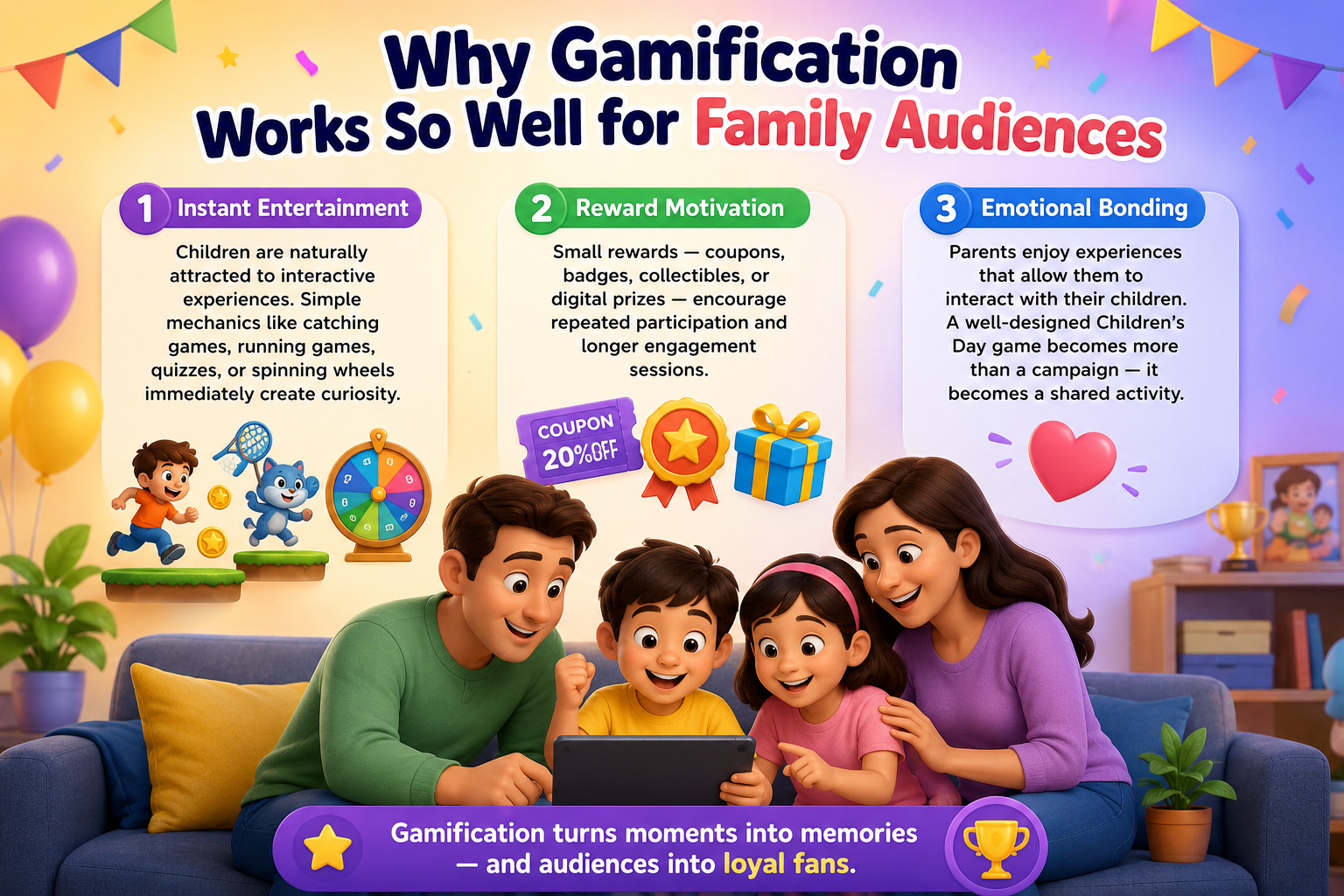
Gamification is powerful because it combines three important psychological triggers:
- Instant Entertainment
Children are naturally attracted to interactive experiences. Simple mechanics like catching games, running games, quizzes, or spinning wheels immediately create curiosity.
- Reward Motivation
Small rewards — coupons, badges, collectibles, or digital prizes — encourage repeated participation and longer engagement sessions.
- Emotional Bonding
Parents enjoy experiences that allow them to interact with their children. A well-designed Children’s Day game becomes more than a campaign — it becomes a shared activity.
This is especially important for brands in:
- FMCG
- Retail
- Education
- Family entertainment
- Food & beverage
- Toys
- Shopping malls
- Parenting products
Popular Children’s Day Mini-Game Ideas for Brands
Here are some of the most effective gamification campaign ideas brands are using during Children’s Day promotions.
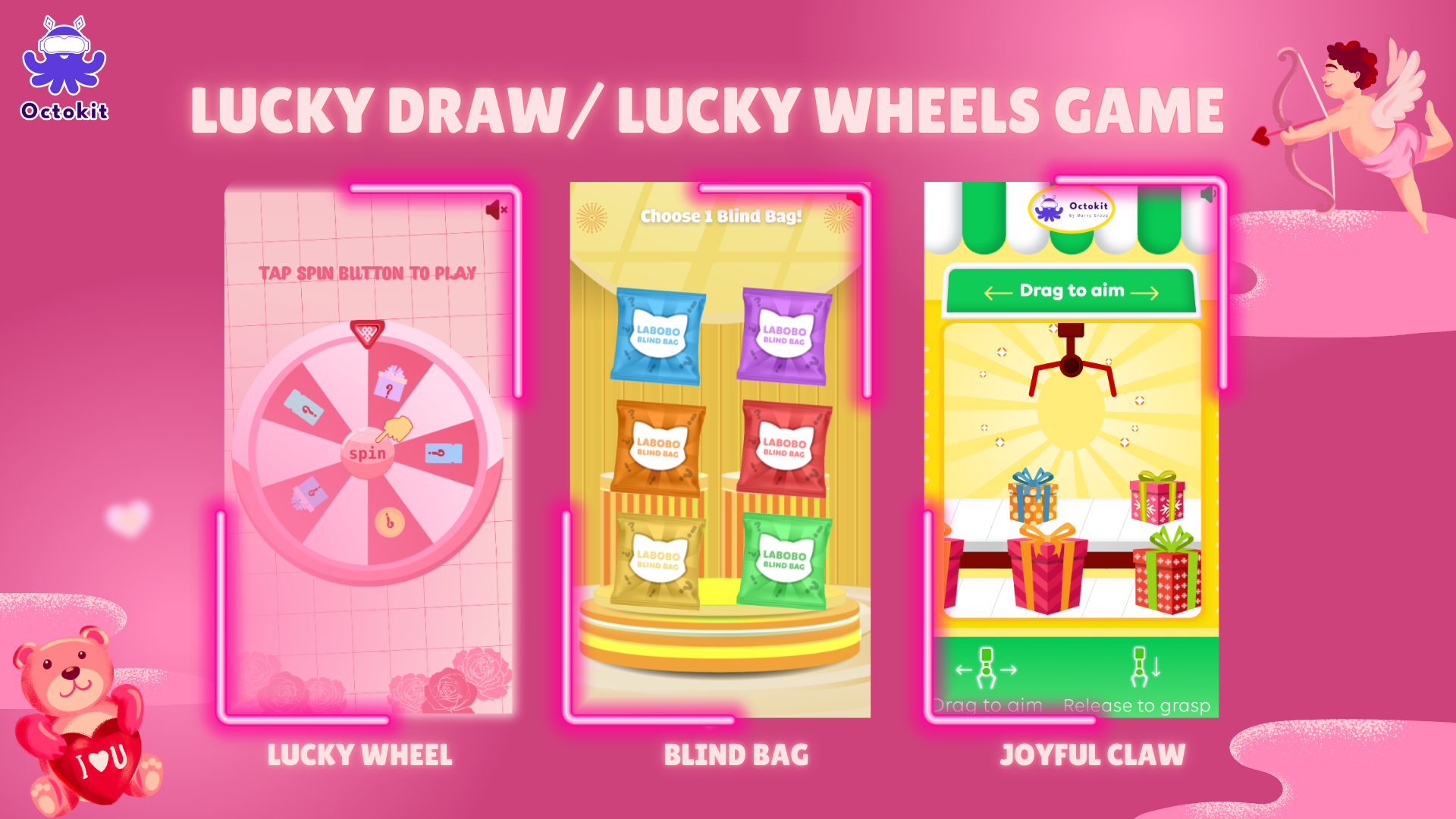
- Lucky Wheel Prize Games
One of the simplest but highest-performing campaign formats.
Brands can customize a colorful Children’s Day lucky wheel featuring:
- Toys
- Candy
- Character mascots
- Discount vouchers
- Gift boxes
- Digital coupons
These games work extremely well both:
- Offline at events or shopping malls
- Online through websites, Facebook, TikTok, or QR codes
Because the mechanic is simple, participation rates are usually very high.
- Running Adventure Games
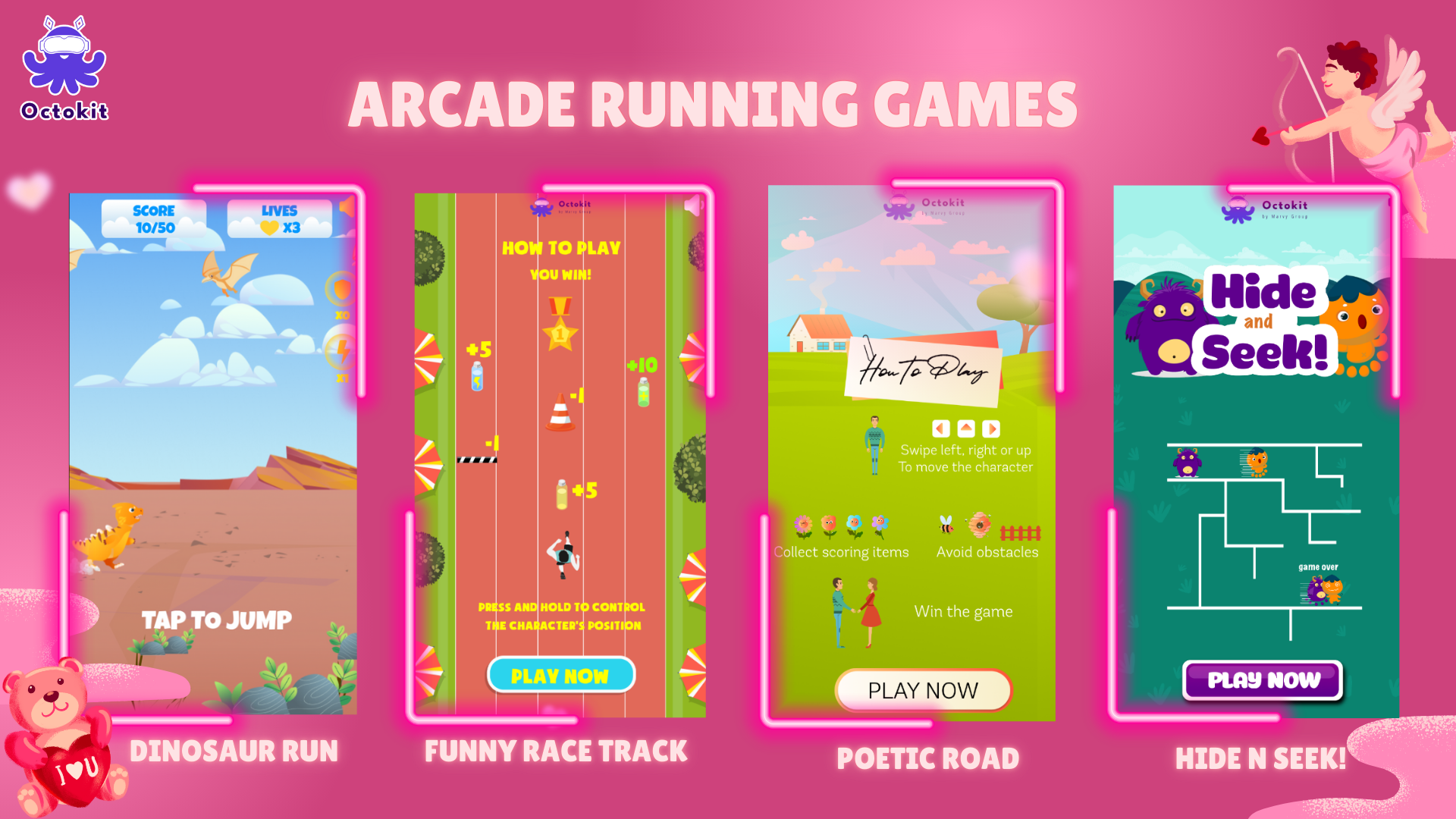
Running games are one of the most engaging formats for family campaigns.
Imagine:
- A mascot character collecting stars or gifts
- Kids avoiding obstacles
- A colorful fantasy world
- Parents competing with children for high scores
These games create:
- Longer play sessions
- Replay behavior
- Strong social sharing potential
With Octokit, brands can customize the entire game theme, environment, characters, and rewards without coding.
- Catching Games
Catching games remain one of the most versatile marketing game formats.
For Children’s Day campaigns, brands can transform gameplay into:
- Catching candies
- Collecting balloons
- Catching educational items
- Grabbing floating gifts
These games are especially effective because:
- Easy to understand instantly
- Suitable for all ages
- Fast to deploy
- Mobile-friendly
Most importantly, they increase time-on-site dramatically compared to standard promotional pages.
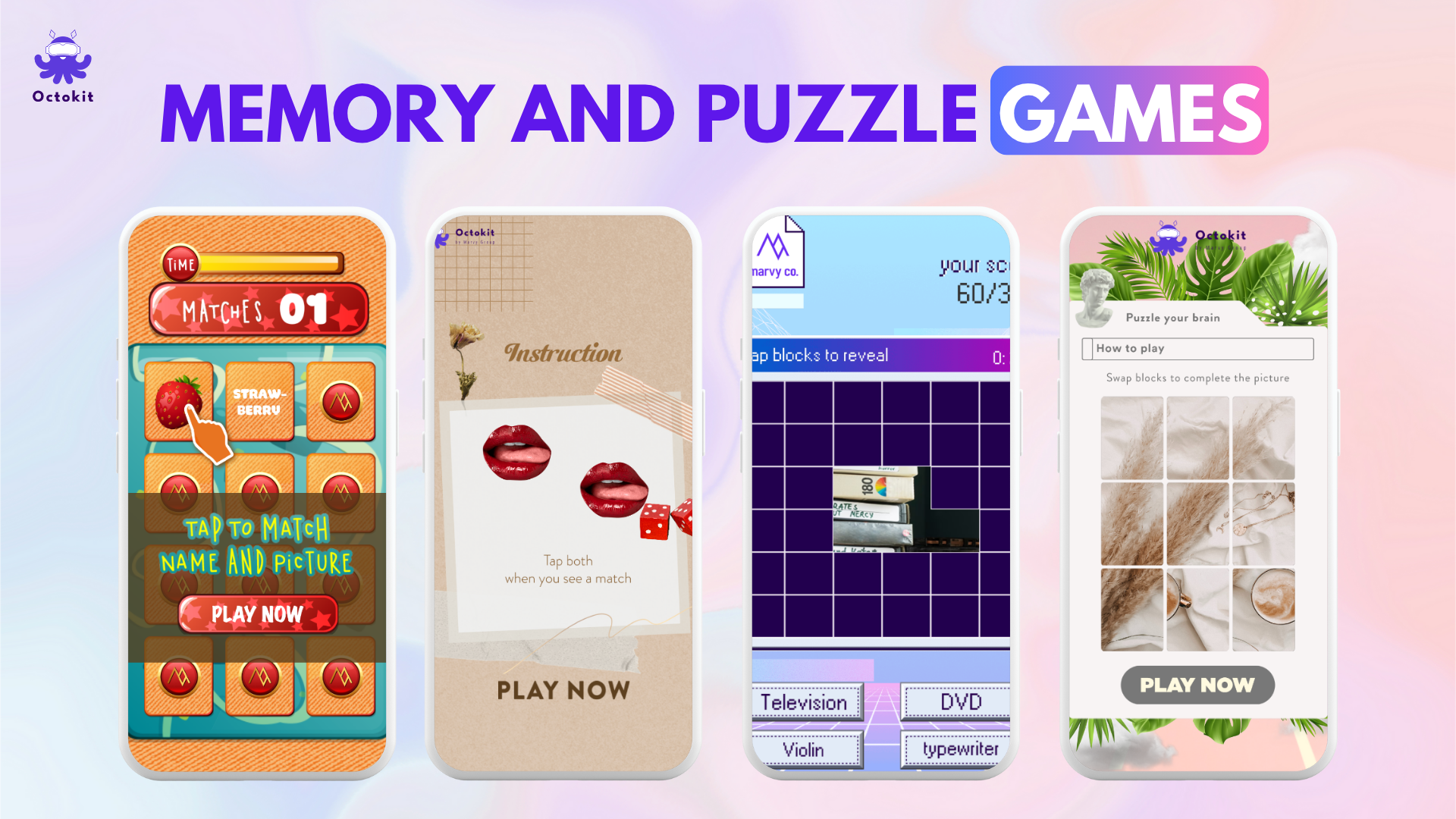
- Puzzle & Matching Games
Puzzle games are excellent for educational or family-oriented brands.
Examples include:
- Matching cartoon characters
- Educational memory cards
- Product pairing games
- Story-based puzzles
Puzzle games encourage:
- Slower, deeper engagement
- Higher cognitive interaction
- Strong retention rates
This makes them highly valuable for education campaigns or knowledge-based promotions.
How AI Is Changing Children’s Day Campaign Production
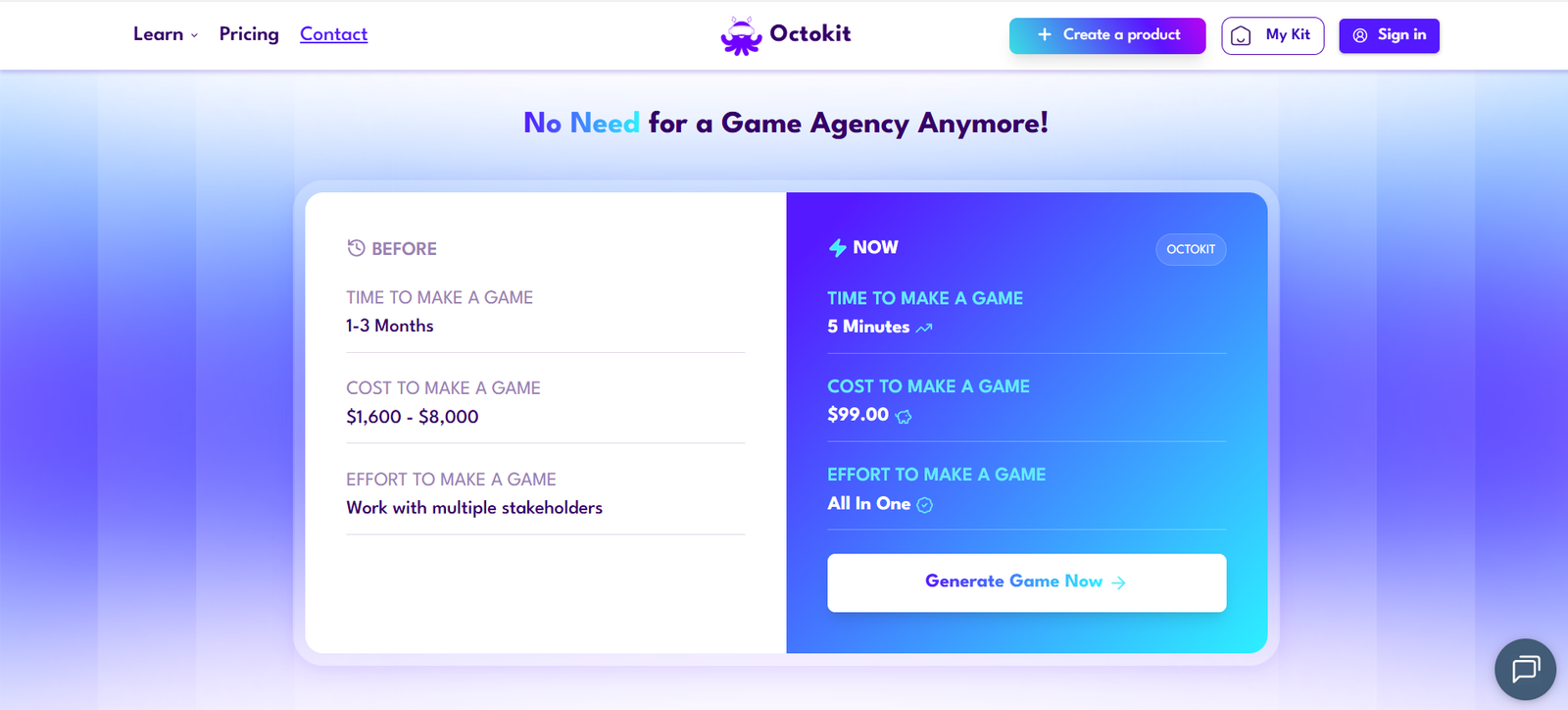
Traditionally, building a branded mini-game required:
- Developers
- Designers
- Project managers
- Weeks or months of production
- Large budgets
Today, AI-powered gamification platforms are changing that entirely.
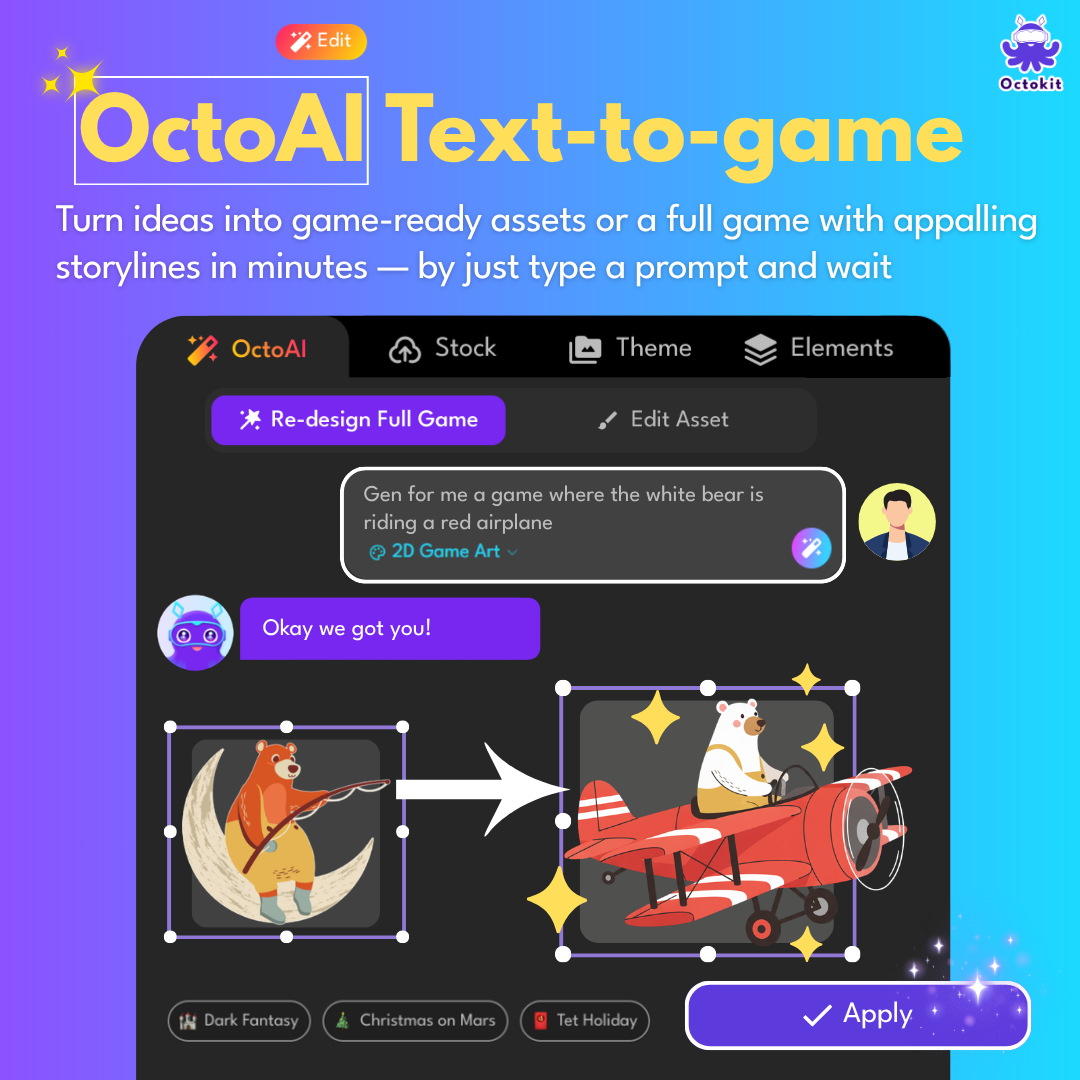
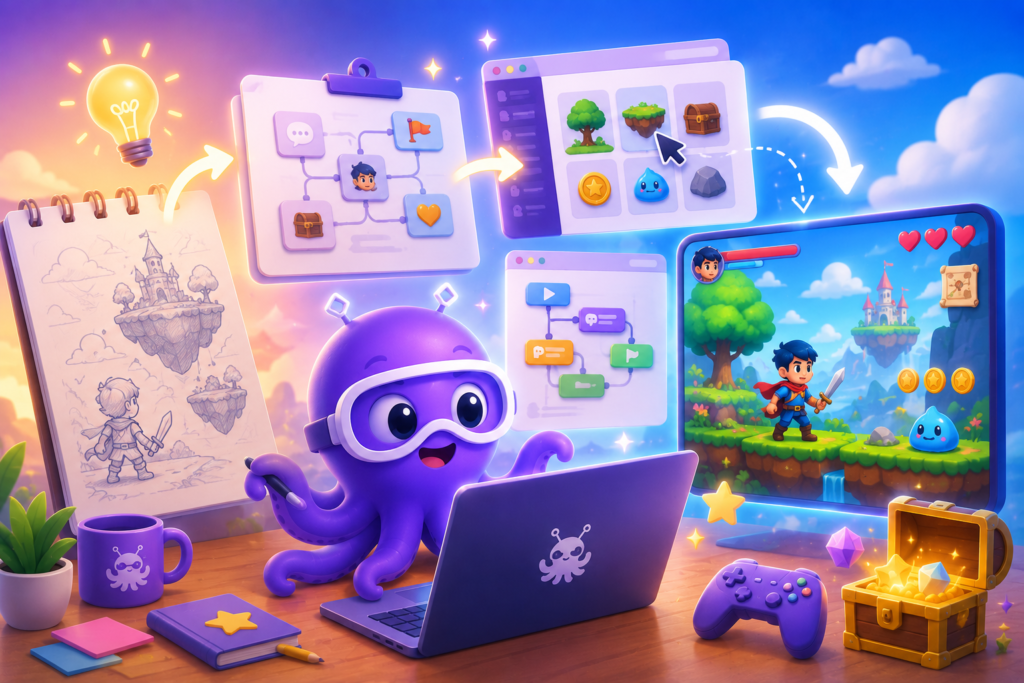
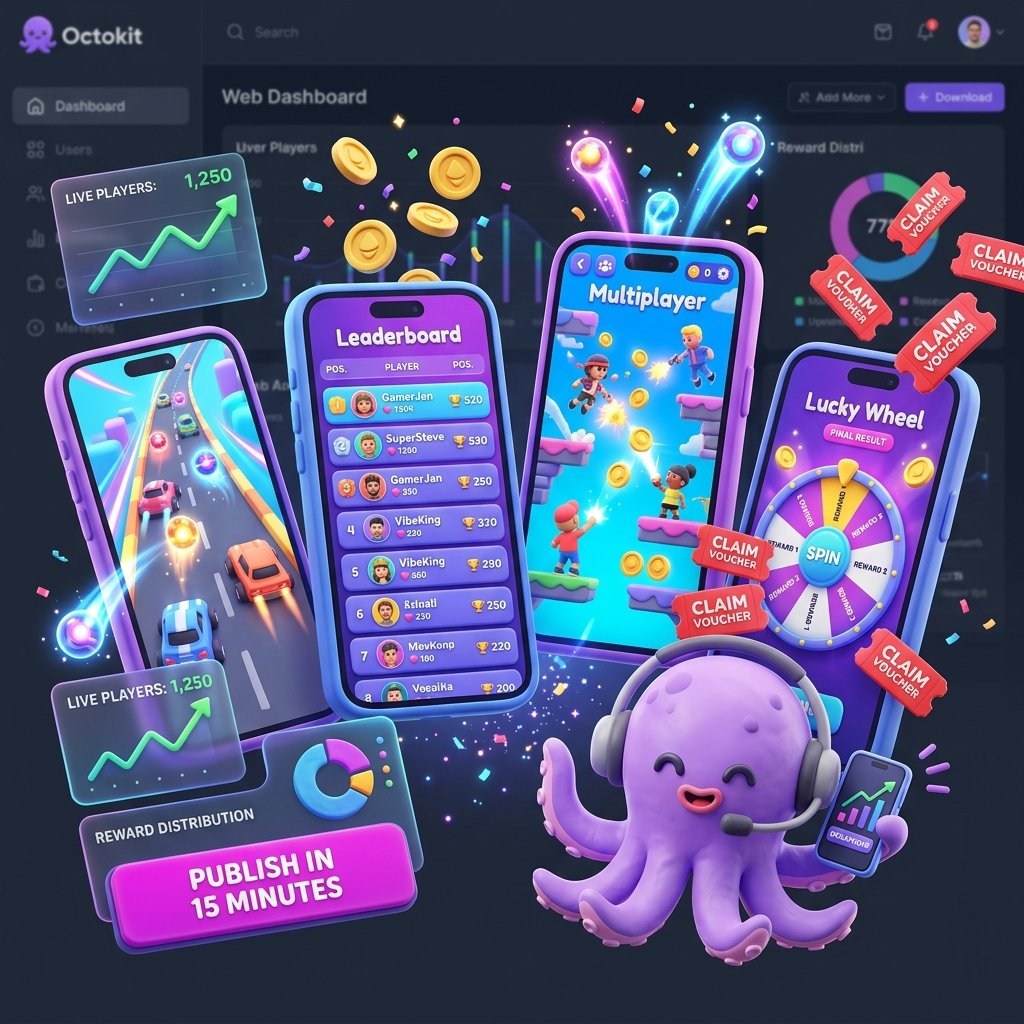
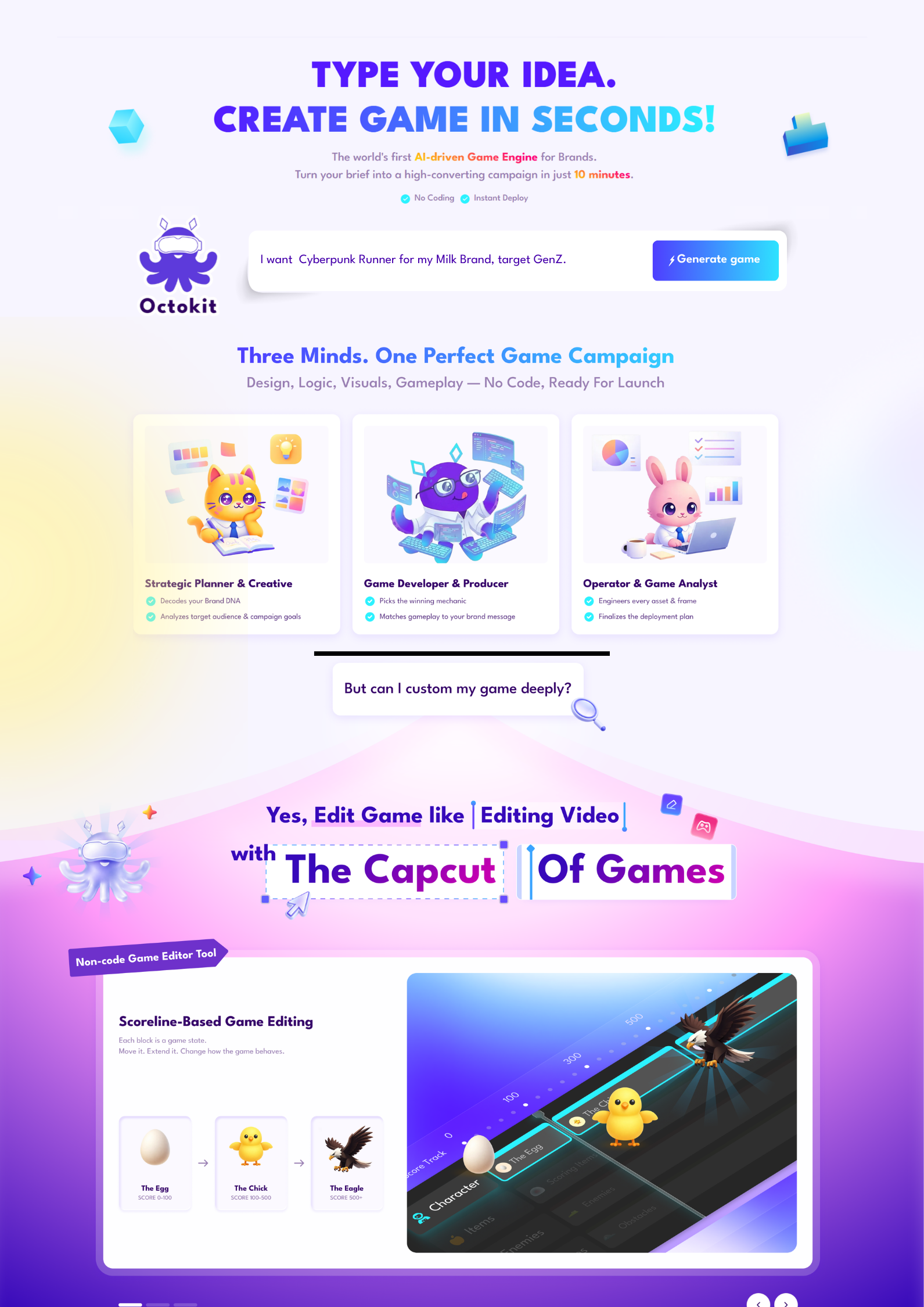
With Octokit’s AI-powered workflow, marketers can:
- Generate game flows from prompts
- Customize game interfaces visually
- Upload assets directly
- Add rewards and interactions
- Launch campaigns in minutes
Instead of starting from a blank page, brands can now rapidly prototype and publish interactive experiences with minimal technical knowledge.
This is especially valuable for seasonal campaigns where timing is critical.
Why Brands Are Choosing Octokit
What makes Octokit unique is its combination of:
- No-code game building
- AI-assisted workflows
- Drag-and-drop systems
- Gamification-focused campaign tools
- Fast publishing
- Cross-platform deployment
Brands can publish games directly across:
- Websites
- Mobile devices
- TikTok campaigns
- Facebook campaigns
- Event booths
- LED displays
- QR activations
Without additional development work.
Beyond Engagement: Turning Games Into Marketing Systems
The biggest misconception about gamification is that it only creates entertainment.
In reality, modern mini-games are full marketing systems.
With Octokit, brands can integrate:
- Lead capture forms
- OTP verification
- Email rewards
- Auto reward systems
- Countdown timers
- Leaderboards
- Social sharing
- Campaign analytics
This transforms a simple Children’s Day game into:
- A lead generation campaign
- A retention campaign
- A loyalty campaign
- A conversion funnel
All inside a playable experience.
The Future of Seasonal Marketing Is Interactive
Children’s Day campaigns perfectly represent a larger shift happening across marketing globally.
Consumers no longer want static digital experiences.
They want:
- Interaction
- Participation
- Personalization
- Entertainment
- Emotional connection
Brands that continue relying only on passive campaigns risk losing attention in an increasingly competitive digital environment.
Gamification changes that dynamic completely.
Instead of interrupting audiences with advertising, brands become part of the entertainment experience itself.
Final Thoughts
Children’s Day marketing is no longer just about promotions — it’s about creating memorable experiences families genuinely enjoy.
Interactive mini-games help brands:
- Increase engagement
- Extend campaign reach
- Improve retention
- Generate leads
- Encourage repeat participation
- Build emotional connection with families
And thanks to platforms like Octokit, building these experiences is now faster, easier, and more accessible than ever before.
No complex coding.
No massive production teams.
Just ideas transformed into playable campaigns in minutes.
 Back
Back