
How to change the mindset that “Kombucha is only for detox” and turn it into Gen Z’s daily summer refreshment?
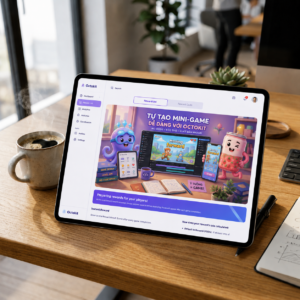
The answer is interactive marketing. This case study and A-Z checklist will help your team deploy a complete campaign gamification, allowing you to handle customer data collection and boost sales in just one day by creating games with Octokit.
Campaign Overview (Quick Brief)
Before you start typing, you need to understand what the “answer” that this Kombucha brand needs to solve is:
• Product: Canned fruit-flavored kombucha tea.
• Target Audience: Gen Z (18-28 years old), who love traveling, backpacking, and partying but are afraid of gaining weight or getting acne from harsh sunlight or eating greasy food.
• The Bottleneck: Customers only think of Kombucha when they need to lose weight or aid digestion. When traveling in the summer, they still instinctively choose carbonated soft drinks or bubble tea because it’s “fun and quenches thirst,” even though they know it can easily lead to weight gain.
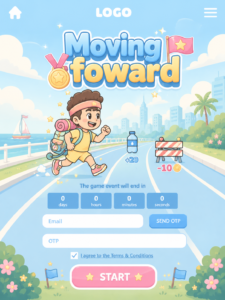
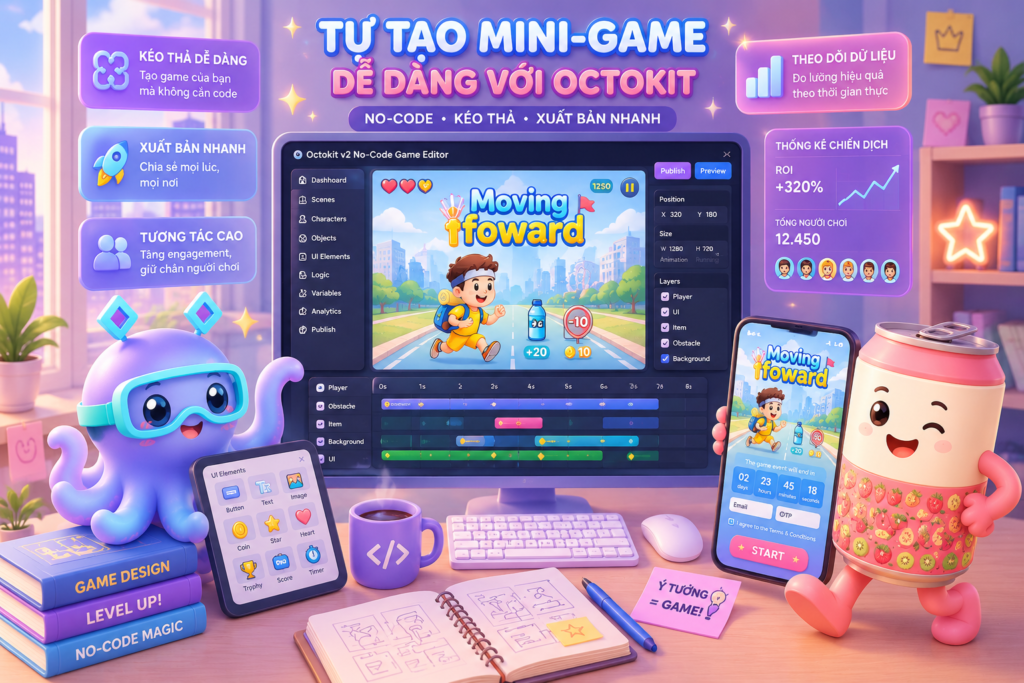
• Solution: Design an interactive mini-game in the form of an adventure/endless runner on the Octokit platform .
• Key Message: “No matter how ‘heavy’ your summer trip is, just pop open a can of Kombucha and your body will feel light and ready to explore again.”

For more visual inspiration, click to view our portfolio of completed projects before reading the checklist below.
Timeline of 5 stages for a one-day Gamification Campaign.
A typical marketing team (or even a solo marketer) can absolutely build and launch a complete game campaign according to the following realistic timeline:
| Time | Phase | Output |
| 09:00 – 10:30 | Phase 1: Brief & Game Design | Game Design Document (1 page) (Storyline, Checkpoints) |
| 10:30 – 12:00 | Phase 2: Asset Preparation | Folder containing character images, products, and gift codes. |
| 13:00 – 15:30 | Phase 3: Build on Octokit | The game runs smoothly on the emulator. |
| 15:30 – 16:30 | Phase 4: Campaign Setup | OTP login system, gifts, and leaderboard are ready. |
| 16:30 – 17:00 | Phase 5: Test & QA | The game runs smoothly on mobile and is ready for release. |
| 17:00 | LAUNCH | The campaign is officially ON LIVE! |
Detailed step-by-step guide
Phase 1: Brief & Game Design (09:00 – 10:30)
This phase helps shape the game’s scenario to educate users about three occasions to use Kombucha: after eating greasy food, when exposed to intense sunlight, and when traveling on the go. Don’t make the game too complicated; just follow the correct structure: Who are the players? What obstacles must they overcome? What rewards will they receive?
• Storyline: Players accompany a young travel enthusiast on a summer running adventure called “Moving Forward” .
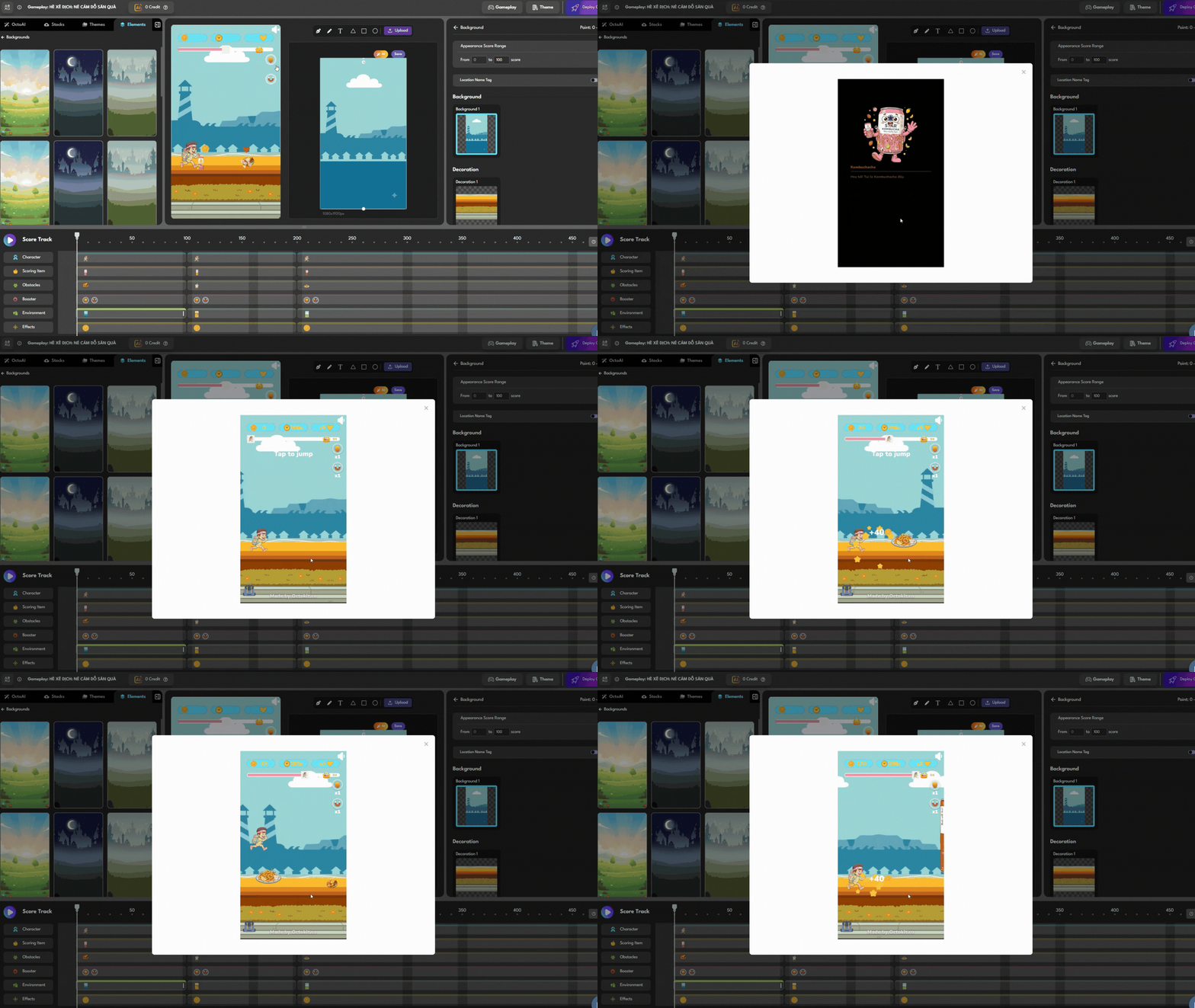
• Mascot Guide: The super cute animated Kombucha can (Kombuchacha) appears throughout to give instructions to help players overcome challenges and learn about the product’s uses on the spot.
• Build practical checkpoints/triggers.

Phase 2: Preparing “instant” Assets (10:30 – 12:00)
Don’t wait a whole week for the designer. You can absolutely prepare your own asset folder in 1.5 hours:
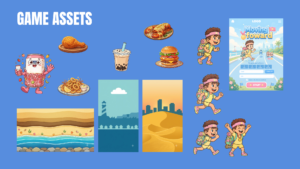
• Visual assets: Background image of a refreshing summer running route (1080px x 1920px) for mobile-first, perspective image of the campsite at the end, and an animated running character sprite in PNG format.
• Product assets: Images of fruit-flavored Kombucha cans with sharp backgrounds.
• Expert Tip: You can use AI (Midjourney, DALL-E) or Canva to design a mini-game quickly by creating these animated character assets in 30 minutes.

Not sure where to start with the design? You can Log in to Octokit for free to download and browse the available sample asset library.
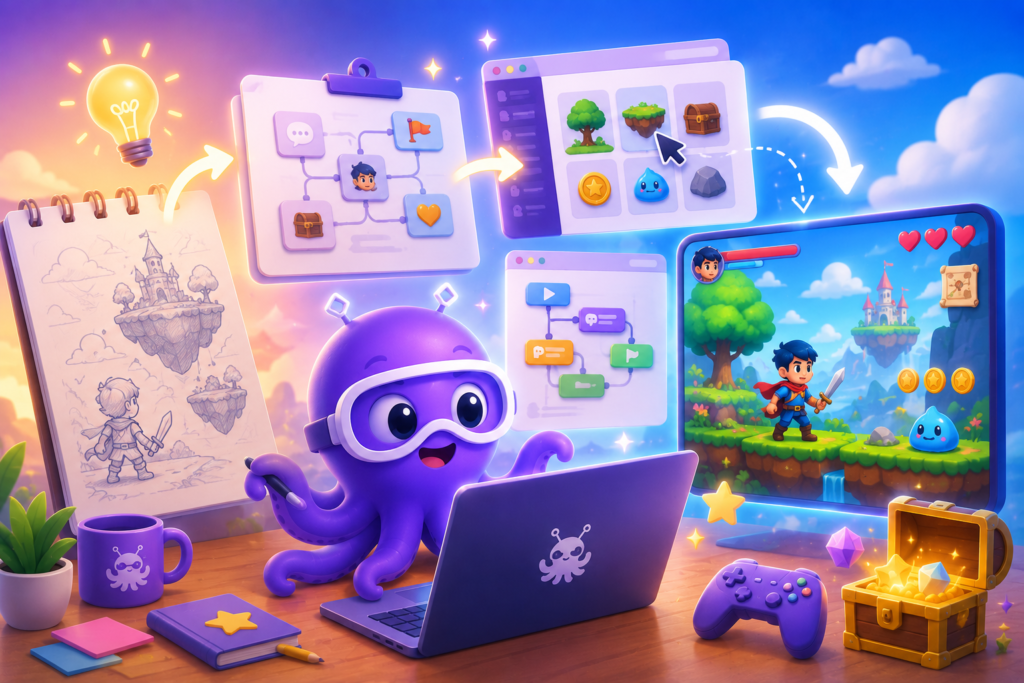
Phase 3: Build on Octokit using drag and drop (13:00 – 15:30)
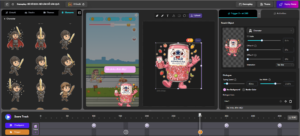
This is the time to put the scenario into practice. Proceed to upload all the images to the Octokit system.
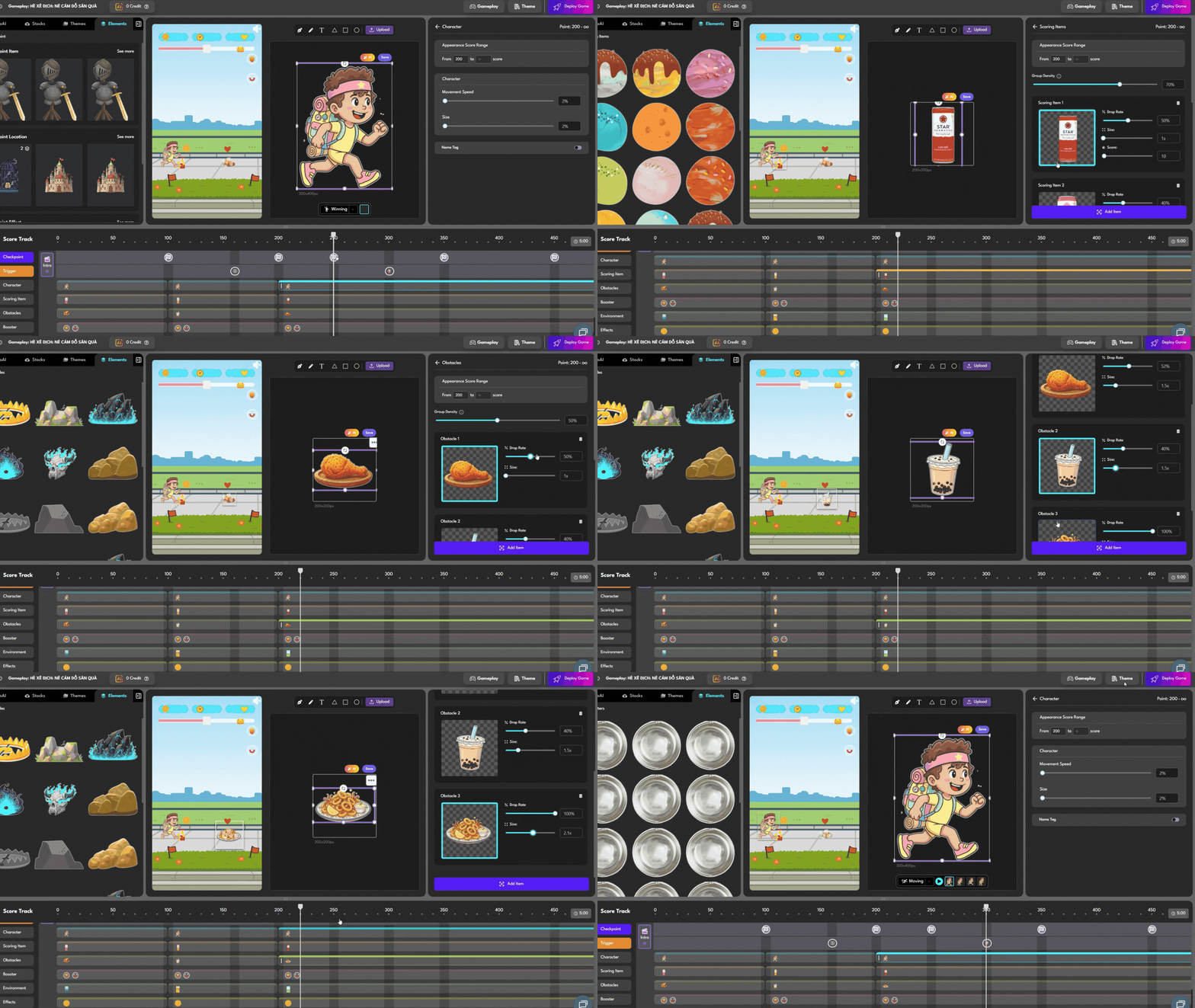
• Using intuitive drag-and-drop features to create running loops (core gameplay), I set up scoretracks corresponding to the running distance.
• When the character reaches the correct milestone, the system will automatically trigger product knowledge pop-up slides for the user to interact with.
Creating games with Octokit transforms dry advertisements into captivating, immersive experiences without requiring a single line of coding knowledge.

Phase 4: Campaign Setup – Building the Data and Gift Funnel (15:30 – 16:30)
No matter how good a game is, if it doesn’t generate business results, it’s useless. At this stage, we’re implementing conversion features:
• Information verification: Enable login verification via phone number (using SMS OTP) or email to ensure 100% quality customer data collection and completely block fake accounts from spamming and disrupting giveaways.
• Encourage Drive-to-Store participation: Upload a list of e-voucher codes (CSV file). The system will automatically send discount vouchers or free Kombucha cans directly to the screen or via SMS when players successfully reach the finish line. This encourages them to go to a retailer or convenience store to redeem the product.
Phase 5: Mobile Testing & QA before pressing the “Run” button (16:30 – 17:00)
We conducted rigorous testing on both iOS and Android to review the user experience:
• Does the text displayed on the small screen overflow or get cut off?
• In edge cases such as incorrect responses or network outages, does the system handle them smoothly?
• Were the vouchers released on time?
• Security Note: Octokit scores are validated server-side, so brands can rest assured against fraud through network interference.

Campaign results: The numbers speak for themselves.
Instead of creating bland, easily forgotten content, this interactive gamification marketing campaign helps brands achieve results beyond expectations:
1. Removing psychological barriers: Users realize that deep-chilled kombucha is an excellent summer refreshing drink, extremely easy to drink on the go, and not as difficult to drink as they thought.
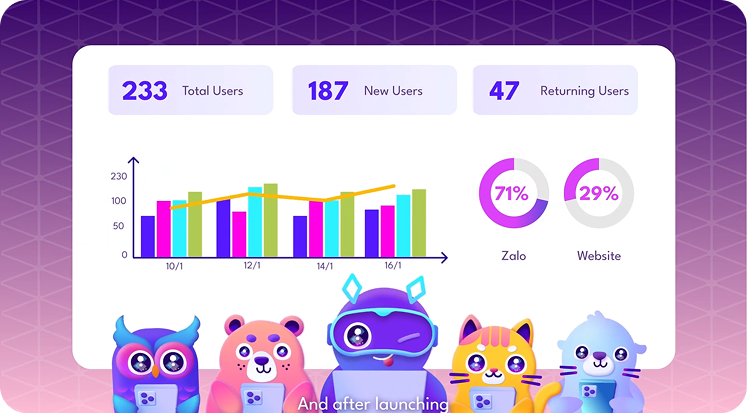
2. Increased customer engagement: The time customers spend interacting with the brand (Time-on-page) increases significantly, and the game completion rate remains high thanks to engaging game mechanics and rewarding mini-gratifications at each stage.
3. Increase actual conversion rates: The e-voucher received after completing the challenge becomes the reason customers visit the point of sale, directly boosting sales.
The painful lessons learned after launching the campaign.
• Close monitoring during the first 24 hours: Monitor the completion rate. If this number…< 30% indicates your game is too difficult or the encounter is too long (recommended no more than 6 slides). Go to the editor and edit it immediately. A plus is that Octokit allows you to edit dialogue and questions directly while the game is running without having to republish from scratch.
• Optimize image size: Don’t make the image too large.> (2MB). It will slow down game loading speeds on mobile and cause users to close the tab immediately before they even see your brand.
Conclusion
Applying gamification solutions to product marketing has never been simpler and more cost-effective thanks to no-code platforms. You don’t need a huge budget or a large development team to make a difference.
![]()