


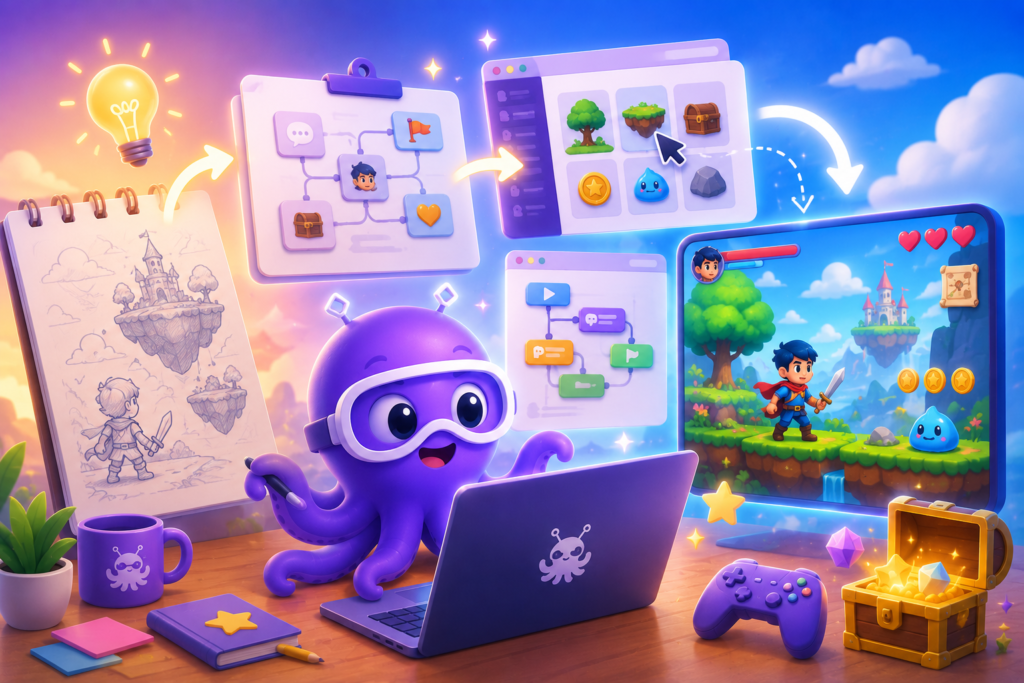
You’ve had the idea for a while: a gamified customer journey, an interactive comic, a training simulation people actually want to finish.
Then you open a game engine, see a wall of code, and quietly close the tab. The idea goes back into a Google Doc, where it’s been sitting ever since.
That doesn’t have to be the ending. Here’s how to turn that idea into a working game in an afternoon, no code required.

1. Build Your Story on a Score Line
Most stories move chapter by chapter. A game moves by score, and that small shift changes how people experience it.
- Set a score line in Octokit, from 0 up to a target, like 2,000 points
- Attach a character to it: a mascot, a brand figure, or an original design
- As players answer questions or clear small challenges, their score climbs, and the character moves forward with them
- The finish line becomes something they’re working toward, not just reading about
The story isn’t something they read anymore. It’s something they’re actively pushing forward themselves, one answer at a time.
2. Stack Your Story Like Slides, Not Code
No code needed here. Building the plot works more like arranging slides in a deck than writing a script. You drop checkpoints along your score line, and each one can trigger something different:
- A character moment: someone pops up with dialogue, a plot twist, or a bit of brand messaging
- A choice: the story pauses, and the player’s answer decides how fast they move forward, or which path they take next
- Instant feedback: a quick animation or sound the moment someone answers right or wrong, so the reaction feels immediate
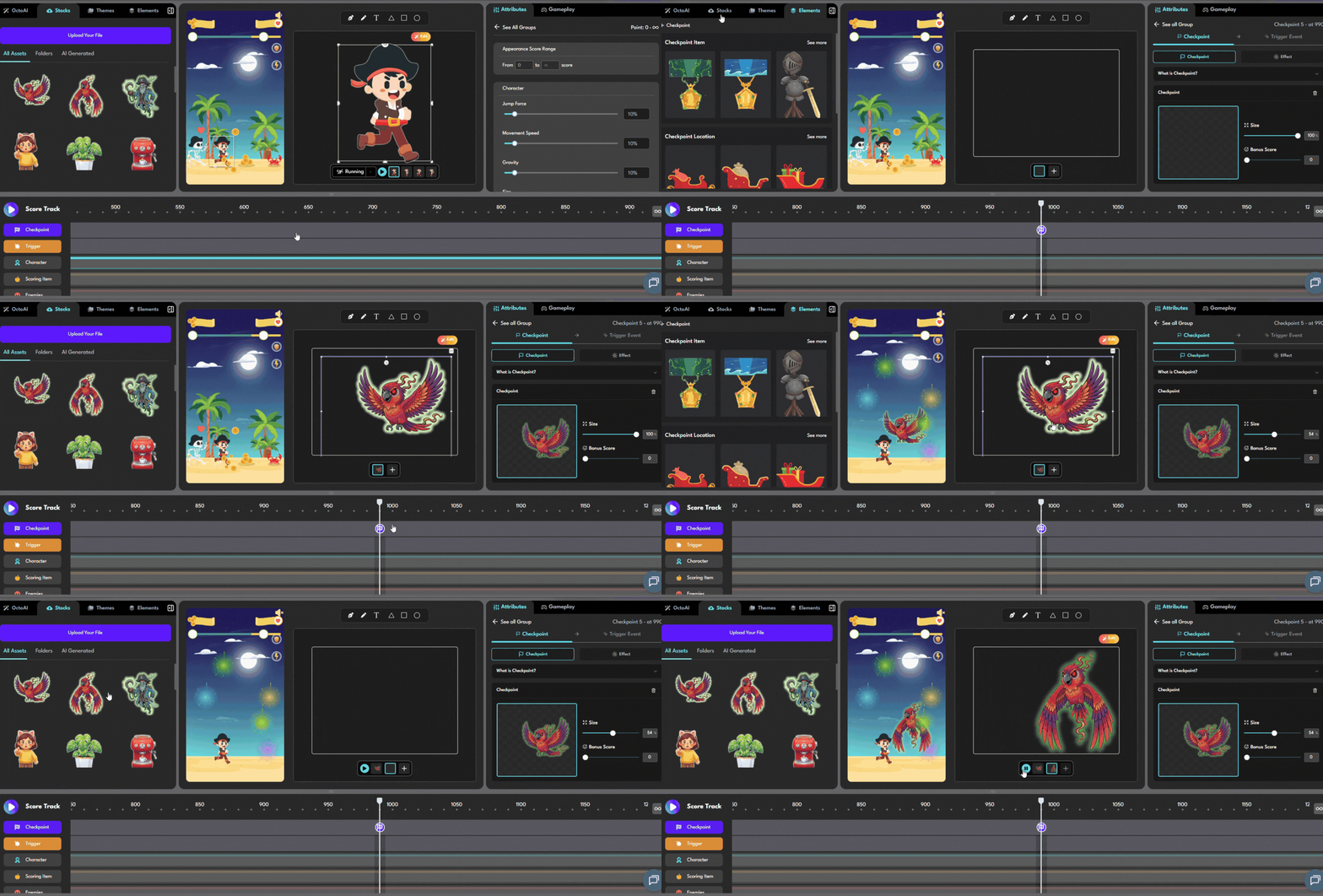
This guide on Octokit’s trigger system breaks down each of these in more detail, worth a look if you want to see them in action before building your own.
3. Turn the Game Into a Real Campaign
A good story is only half the job if you’re running this for a brand, an agency, or an internal team. It also needs to collect real data and pay out rewards properly.
- Easy entry: players jump in through a simple web link, no app download needed
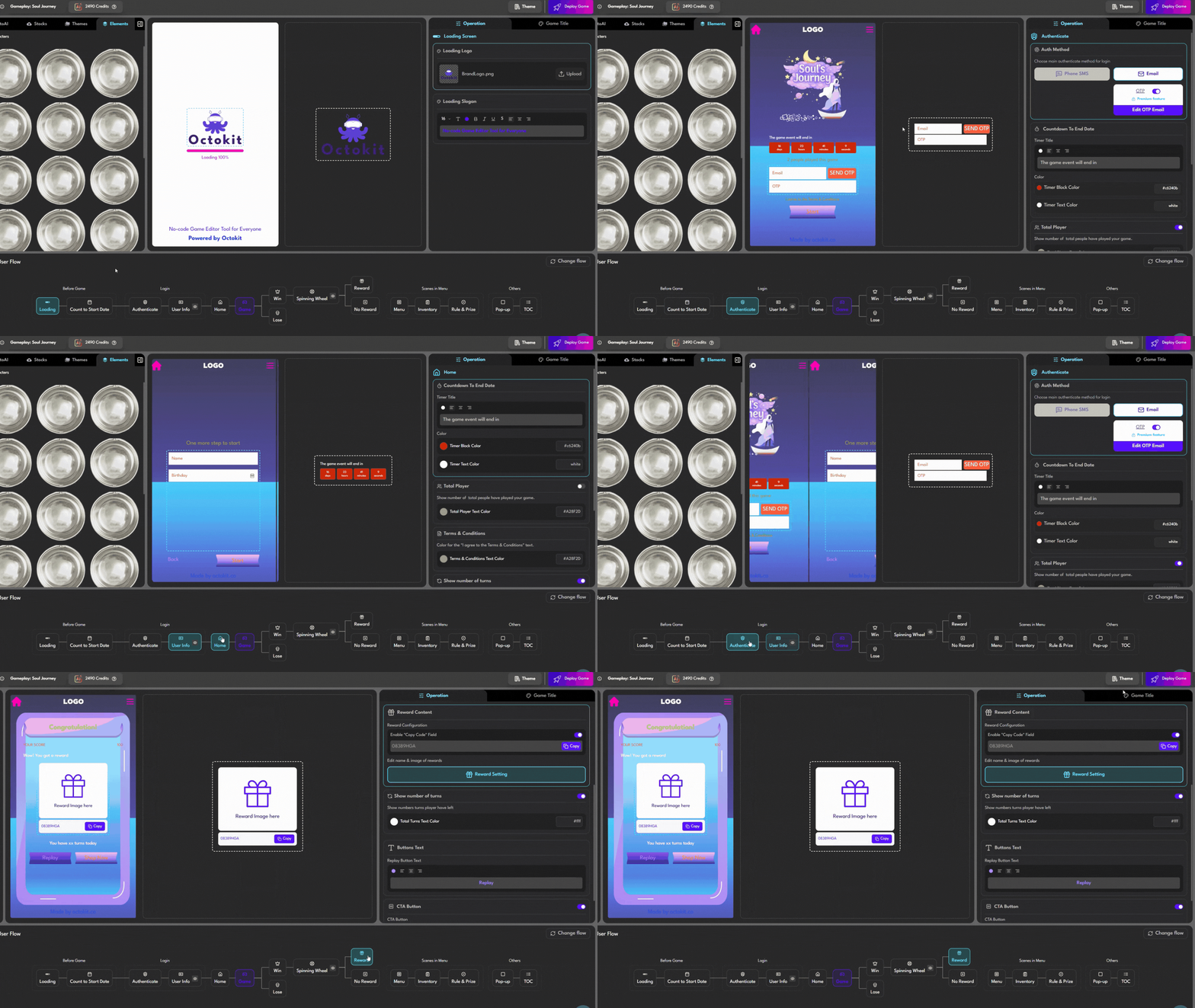
- Real leads only: OTP verification by phone or email filters out bots and fake accounts, so your data stays clean
- Automatic rewards: set a voucher or discount code to unlock at a specific score, and it appears on screen the moment someone earns it, no manual work on your end
4. Publish Anywhere With One Link
Making a game run well across phones, tablets, and desktops usually takes weeks of testing. Here, it doesn’t.
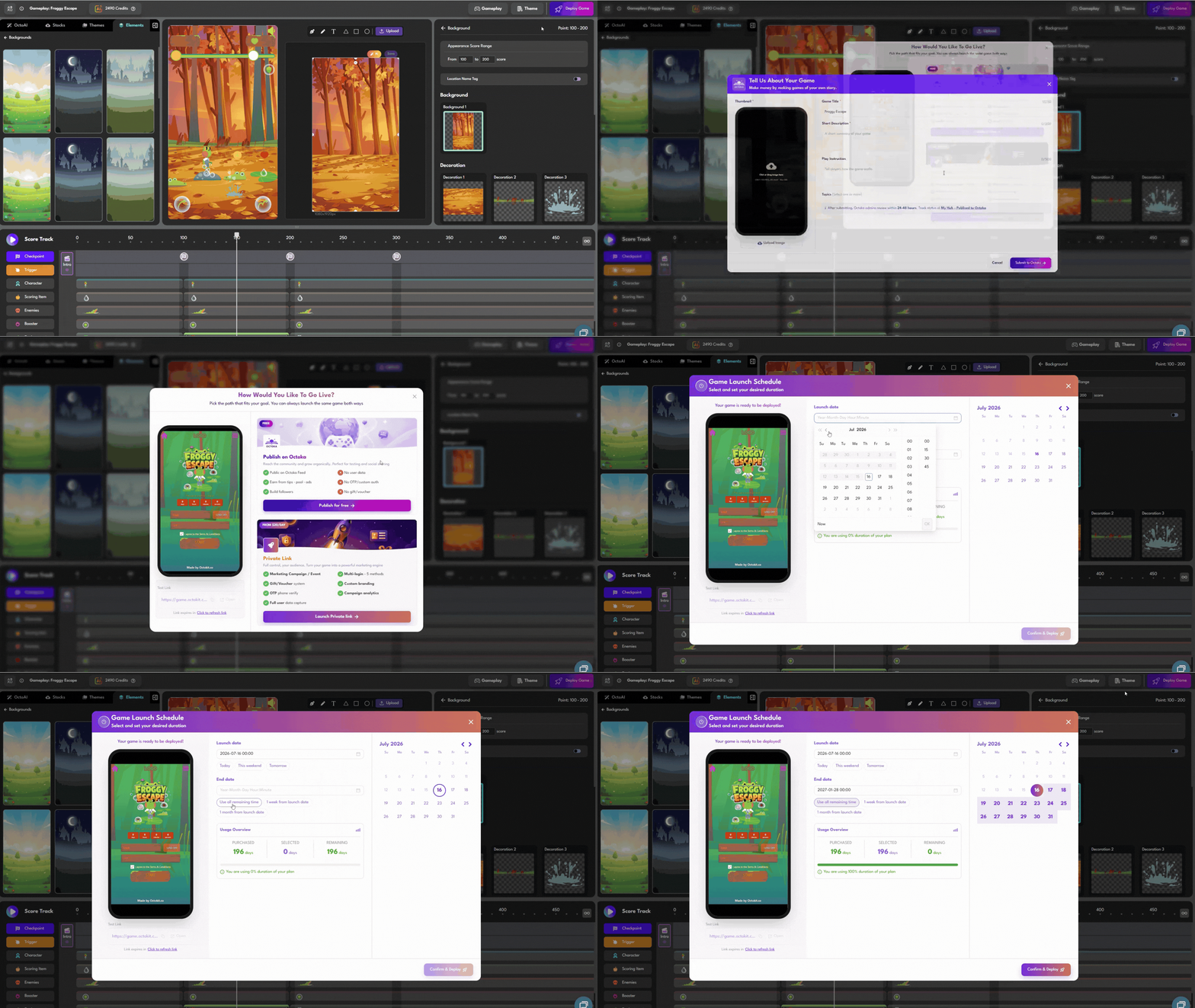
- Hit Deploy Game and get a clean web link
- Drop it into WordPress, Webflow, Shopify, or any landing page in seconds
- It resizes itself automatically, so it looks and runs the same on any screen, without extra tuning on your side
The Real Shift Here
Your story doesn’t need to sit in a document just because nobody on the team can code. The tools that used to require a developer now fit inside a single browser tab, and building something playable no longer means weeks of back and forth.
If you want to see this whole process from a real first build, this walkthrough of building a game in one afternoon is worth reading before you start your own.
Start building free at octokit.co. Your first game can be live today.
 Back
Back