


Lunar New Year’s Day (Tet) 2027 falls on February 6. Counting backward, your brief must be locked in November and your game must go live before mid-January.
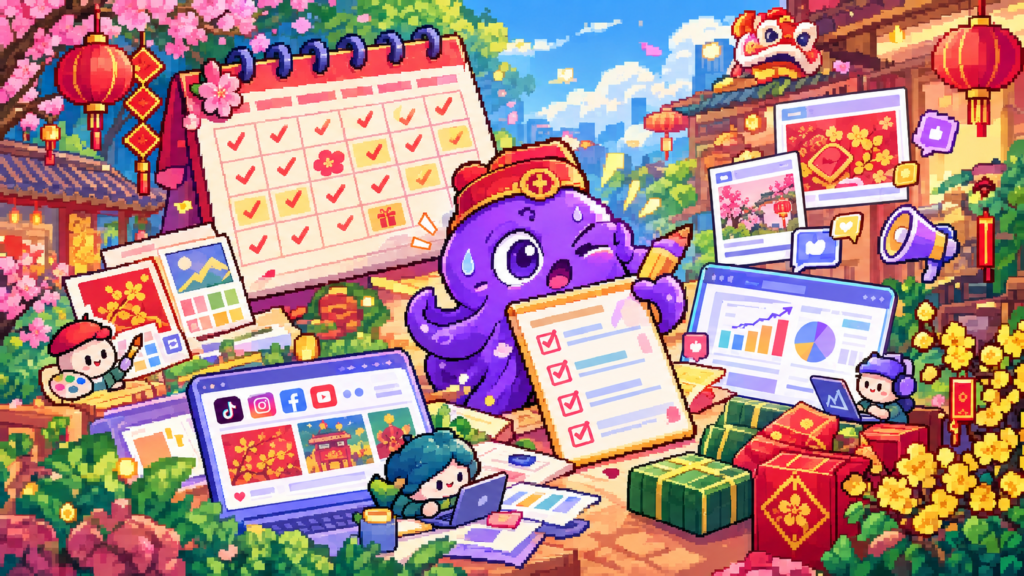
If you’re still saying “we’ll plan it later,” now is the time to start. Here is a Tet 2027 marketing plan as a 30-day checklist, split into 4 weeks so you can follow it step by step.
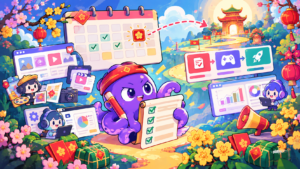
Why lock the plan early?
At the end of the year, every brand fights for the same thing: your audience’s attention. A late campaign will drown in a sea of Tet banners, no matter how good the idea is.
A gamification marketing campaign needs extra time for approval, testing, and promotion. So keep these milestones in mind:
- November: Lock the brief
- Mid-December: Start the 30-day countdown
- Before mid-January: Game goes live
- February 6: Lunar New Year’s Day

30-Day Checklist
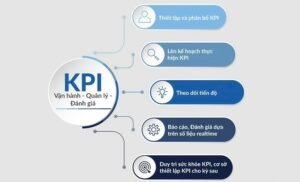
Week 1: Set goals and KPIs
- Choose one main goal: collecting leads, boosting engagement, or driving sales.
- Attach specific KPIs: number of plays, number of verified leads, returning-player rate.
- Lock your reward budget and your ad budget.
Week 2: Choose your idea and channels
- Develop a story-driven game idea tied to Tet: who is the main character, what is the journey, and what are the milestones? See also how to design a story-driven game.
- Pick the channels where your customers are actually present: Facebook, Zalo, TikTok, or your website.
- Decide on the rewards and how players will claim them.
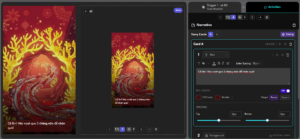
➤Don’t make players “fill out a form.” Give them a challenge with a reward, for example “clear 5 milestones to unlock a prize.”
Week 3: Produce and test
This is the week most likely to slip, and also where you can save the most time.
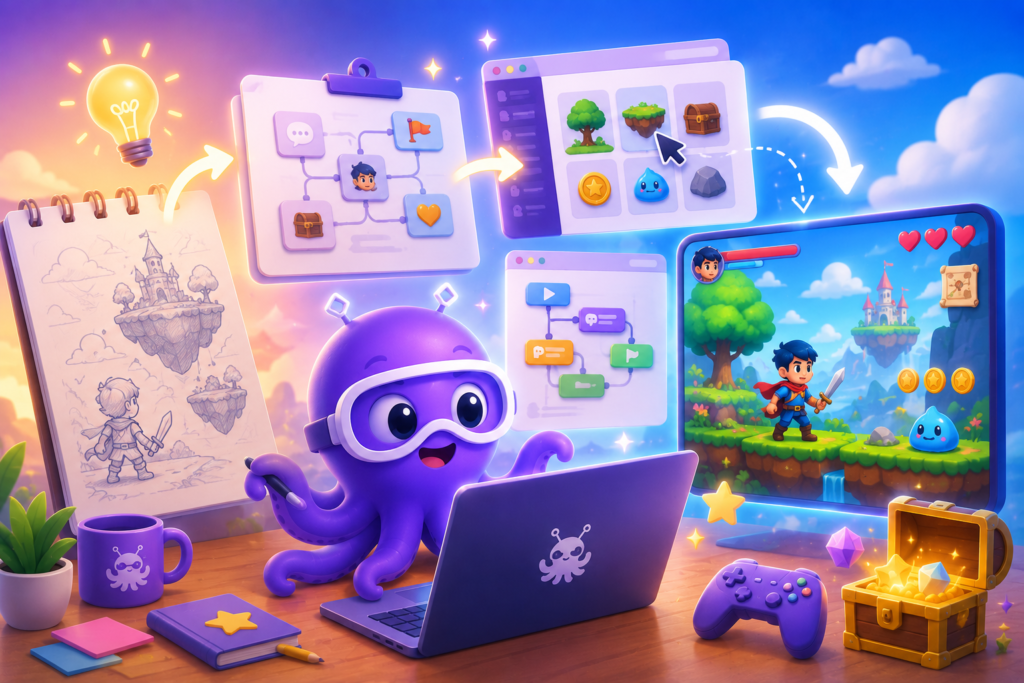
- Start from Octokit’s ready-made game templates instead of building from scratch.
- Use OctoAI to build an early demo so your team and client can approve the idea. OctoAI is only a tool to support creativity; the idea and the story are still yours to decide.
- Add checkpoints, triggers, and NPCs with the drag-and-drop editor.
- Test on mobile and check the reward-claiming flow, including OTP verification.
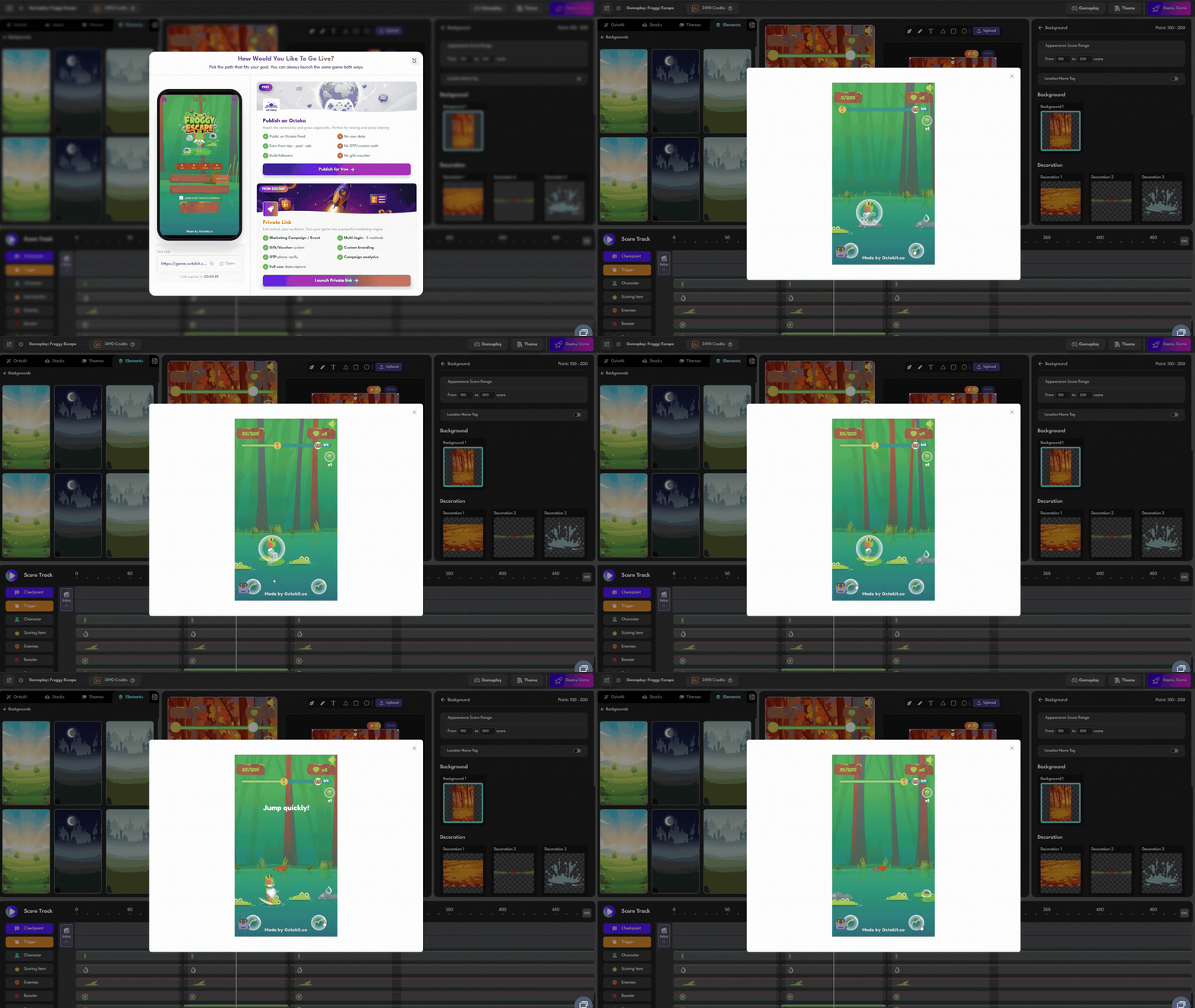
➤ An early demo lets you get feedback while there is still time to make changes.
Week 4: Launch and monitor
-
- Set the campaign start and end dates, then publish your game to web, mobile, and social media.
- Use “Golden Hour” and countdown timers to create a sense of urgency.
- Add a leaderboard to encourage competition.
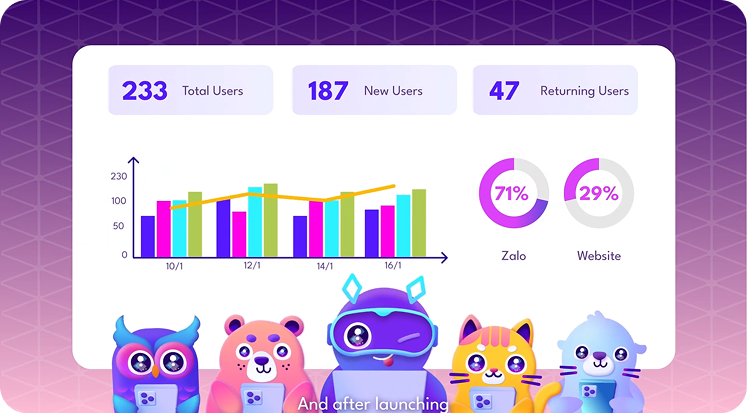
- Track your numbers daily and optimize against the KPIs you set in Week 1.

➤ The campaign doesn’t end when the game goes live. The first two weeks after launch are when you learn the most.
Conclusion
With the time between November and Lunar New Year’s Day, a clear plan matters more than a big budget. Lock your goals, choose your idea, build an early demo, then launch on schedule: that’s the whole checklist.
Want to see games we’ve already delivered? Check out the Octokit portfolio. And if you want to start right away, try Octokit’s Tet template with OctoAI and get your first demo in a short time.

 Back
Back