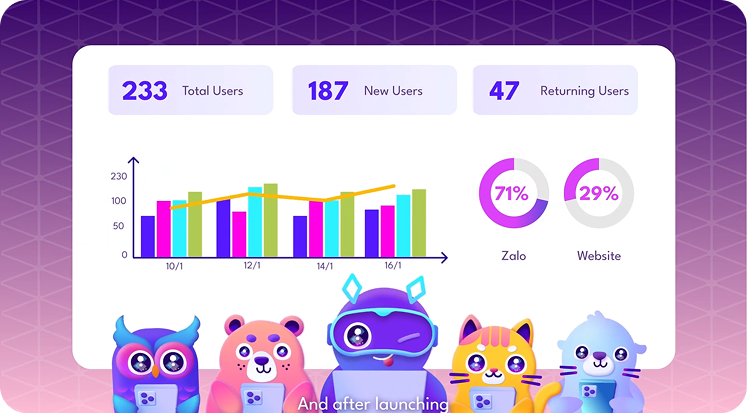




Everyone dreads filling out registration forms. But if that form sits at the end of an engaging challenge with a reward attached, users are far more willing to share their details.
That is why collecting leads through games is replacing static landing pages and annoying pop-ups across modern campaigns. Here is a 5-step guide to doing it right—no coding required.

Why are traditional forms “dying”?
Modern web users are immune to email pop-ups. They dismiss them before reading or type in fake addresses just to close the overlay. The result? A long lead list with zero responses.
With gamification marketing, you aren’t “begging” for data. Users play, win, and willingly share their contact details to claim their reward.

➤ When information is the gateway to unlocking a reward they earned themselves, users willingly provide authentic details.
Step 1: Define your goal and the exact lead data you need
Before creating the game, answer one question: What will you do with these leads?
• Need phone numbers for your sales team to call back?
• Need email addresses for content nurturing campaigns?
• Need profiling details (industry, company size) for lead scoring?
Every objective requires a different set of fields. The fewer questions you ask, the higher your conversion rate.
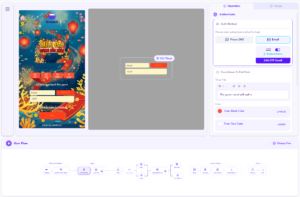
➤ Only collect data you actively plan to use. Every extra field increases drop-off.
Step 2: Select a core game mechanic
Pick a simple action that aligns with your brand: dodging obstacles, matching tiles, or collecting items. Frame the goal as “Clear 3 milestones to unlock your reward” rather than “Fill out this form.”
A short storyline makes your brand far more memorable. Learn more on how to design a story-driven game.
➤ The simpler the core action, the more players will reach the lead collection screen.
Step 3: Insert the lead form at the right “moment”
Timing determines conversion rates. Never display the form at the very start; place it after the player has invested effort.
How to set this up using the drag-and-drop editor:
• Add a checkpoint along the player’s journey.

• Trigger a pop-up form once players hit that milestone.
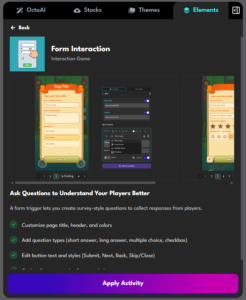
• Instantly reward them upon submission (e.g., extra points or lives).
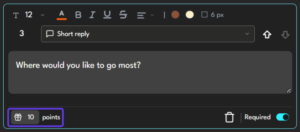
You can start from ready-made Octokit game templates and customize them to fit your brand identity.
➤ Placing the form after a minor victory makes it feel like part of the game rather than an obstacle.
Step 4: Verify leads via OTP to ensure authentic data
Unverified leads drain resources. Enable OTP verification via email or SMS before distributing rewards.
This allows you to:
• Filter out fake emails and invalid phone numbers.
• Prevent single users from claiming prizes multiple times.
• Ensure prize notifications reach real individuals.
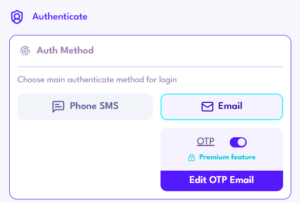
➤ Fewer verified leads are infinitely more valuable than hundreds of unreachable contacts.
Step 5: Retain players and track conversion performance
A single play session is just the beginning. Give players a reason to return:
• Add a leaderboard to build healthy competition.

• Display a countdown timer to drive urgency.
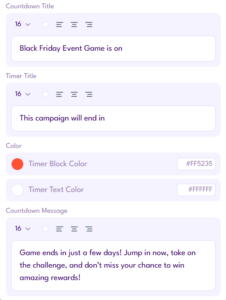
Once configured, publish the game across web, mobile, and social platforms. Track three key metrics: completion rate, lead opt-in rate, and OTP verification success rate.
➤ Daily metrics show you exactly where to optimize instead of guessing.
Conclusion
Collecting leads through games is straightforward: define goals, pick a core action, trigger forms at peak moments, verify with OTP, and keep players coming back. When users play first and claim rewards second, the leads you gather are significantly higher quality.
Want to see existing campaigns in action? Explore the Octokit portfolio. Or get started with OctoAI to build your first lead-gen game demo in a single afternoon.

 Back
Back