


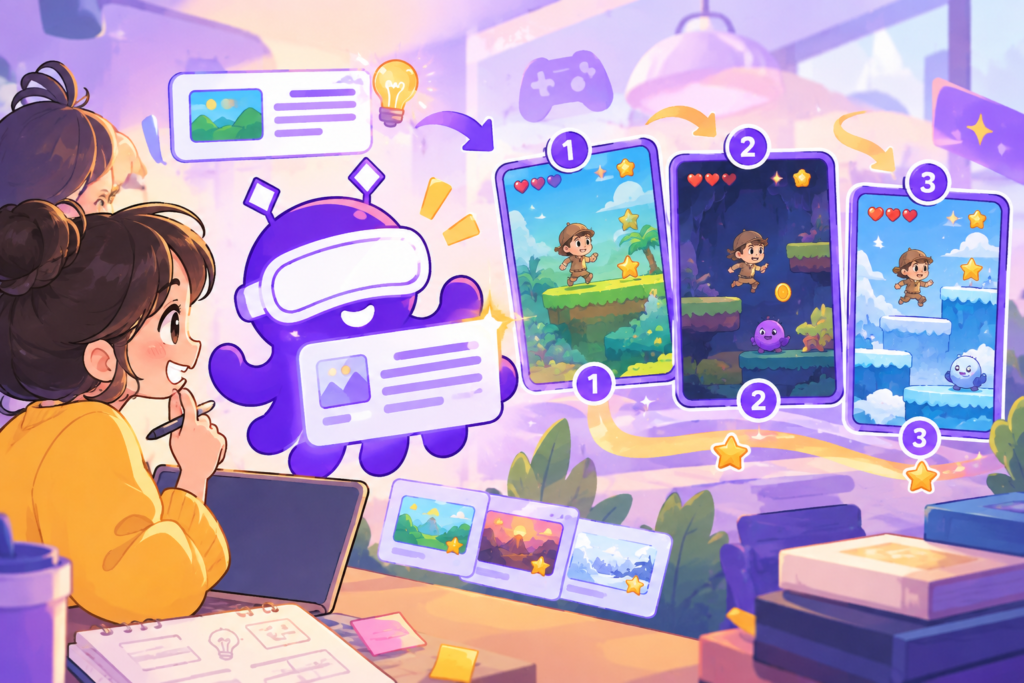
A single-level game tells only a sentence. A multi-level game tells the entire story.
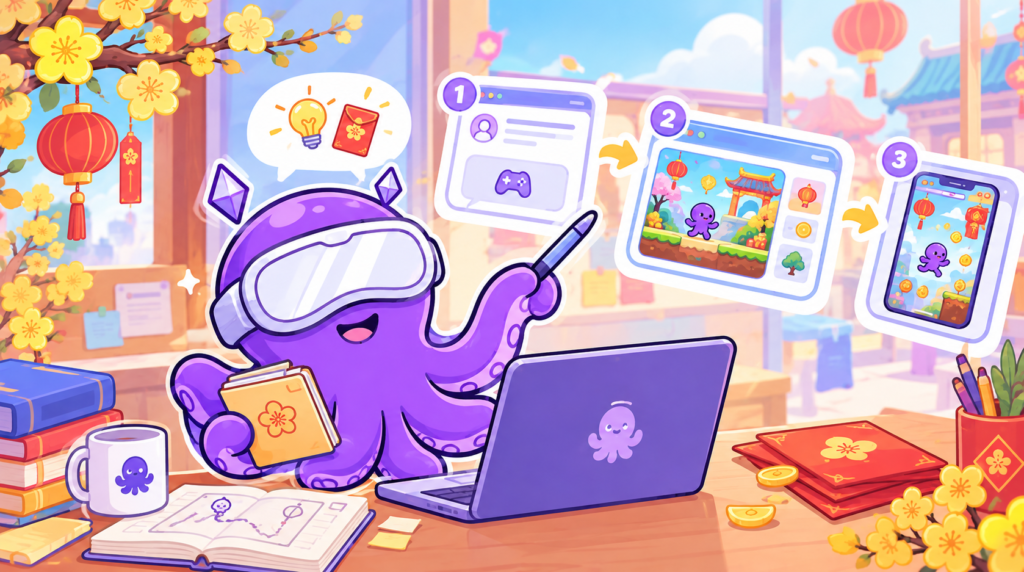
Most marketing minigames stop at a single level: users play for a few seconds, claim a reward, and forget about it. With Text-to-Game, you describe your story in plain text and receive a multi-level game where each level serves as a chapter in your brand’s journey. Here is how to do it.
Why Multi-Level Games Tell Better Brand Stories
A story needs a beginning, a middle, and an end. A single-level game gives you only the opening moment—players leave before they even build a connection.
Multi-level games change the narrative:
-
Each level is a story chapter: The difficulty and emotional engagement escalate naturally.
-
Driven by curiosity: Players have a reason to keep going because they want to see what happens in the next chapter.
-
More touchpoints: Your brand gains multiple strategic opportunities to insert core messaging, product highlights, and rewards.
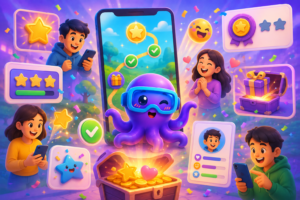
In gamification marketing, the longer players stay immersed in your experience, the more memorable your brand becomes.
➤ The richer the story chapters, the harder it is for players to walk away halfway through.
How Text to Game Works
Instead of building every level manually, you simply write down the story you want to tell. OctoAI generates the multi-level game framework directly from your description, while you retain full creative control: the idea, characters, and brand voice are entirely yours, while AI accelerates the time to a playable draft.
Step 1: Write the Story Chapter by Chapter
Think of it like writing a brief outline. A high-converting prompt for a multi-level game includes 4 core elements:
-
Main Character: Your brand mascot or brand ambassador.
-
The Journey: Where the character starts and where they are heading.
-
The Milestones: Each stage corresponds to a distinct level.
-
The Final Reward: The ultimate prize waiting at the end of the journey.
Example Prompt: “A brand mascot goes on a quest to find Tet gifts for their family across 3 stages: the Flower Market, the Food Street, and the Family Reunion Home. In each stage, the character collects items and dodges obstacles, ultimately unlocking a major reward voucher at the finish line.”
➤ The clearer your stages and goals are, the closer the generated game will match your intended narrative.
Step 2: Assign a Specific Role to Each Level
Avoid making levels feel repetitive. Give every level a clear purpose within your brand narrative:
-
Level 1 (The Hook): Introduce the main character and establish intuitive, easy-to-learn mechanics.
-
Level 2 (The Journey): Increase the challenge, introduce NPCs, and highlight core product features.
-
Level 3 (The Climax): Deliver a high-stakes finale leading directly to the primary reward unlock.
➤ When every level has a clear reason to exist, players feel like they are progressing through a genuine storyline.
Step 3: Refine with the Editor and Add Interactive Triggers
he AI-generated draft is just your starting line. Using Octokit’s drag-and-drop editor, you can fine-tune every asset:
-
Swap characters, background artwork, and UI icons with your official brand assets.
-
Insert checkpoints and interactive triggers to introduce brand NPCs or display storyline pop-ups.
-
Embed quick survey questions or lead capture forms along the way.
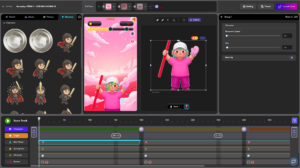
You can also start from ready-made Octokit game templates and expand them into multi-level campaigns.
➤ AI builds the framework, but human creativity gives soul to the story.
Step 4: Attach Rewards to Each Stage
Completing a level is a milestone worth celebrating. Use Octokit’s reward management system to distribute instant in-game perks after each level, puzzle pieces along the way, and a major grand prize at the end. Learn more about setting up 4 reward tiers for marketing games.
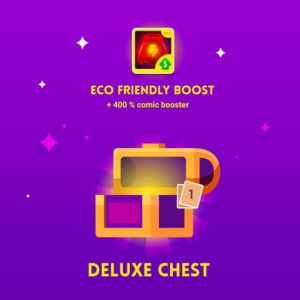
➤ Stage-based rewards give players a continuous incentive to finish the complete narrative.
Step 5: Test and Publish
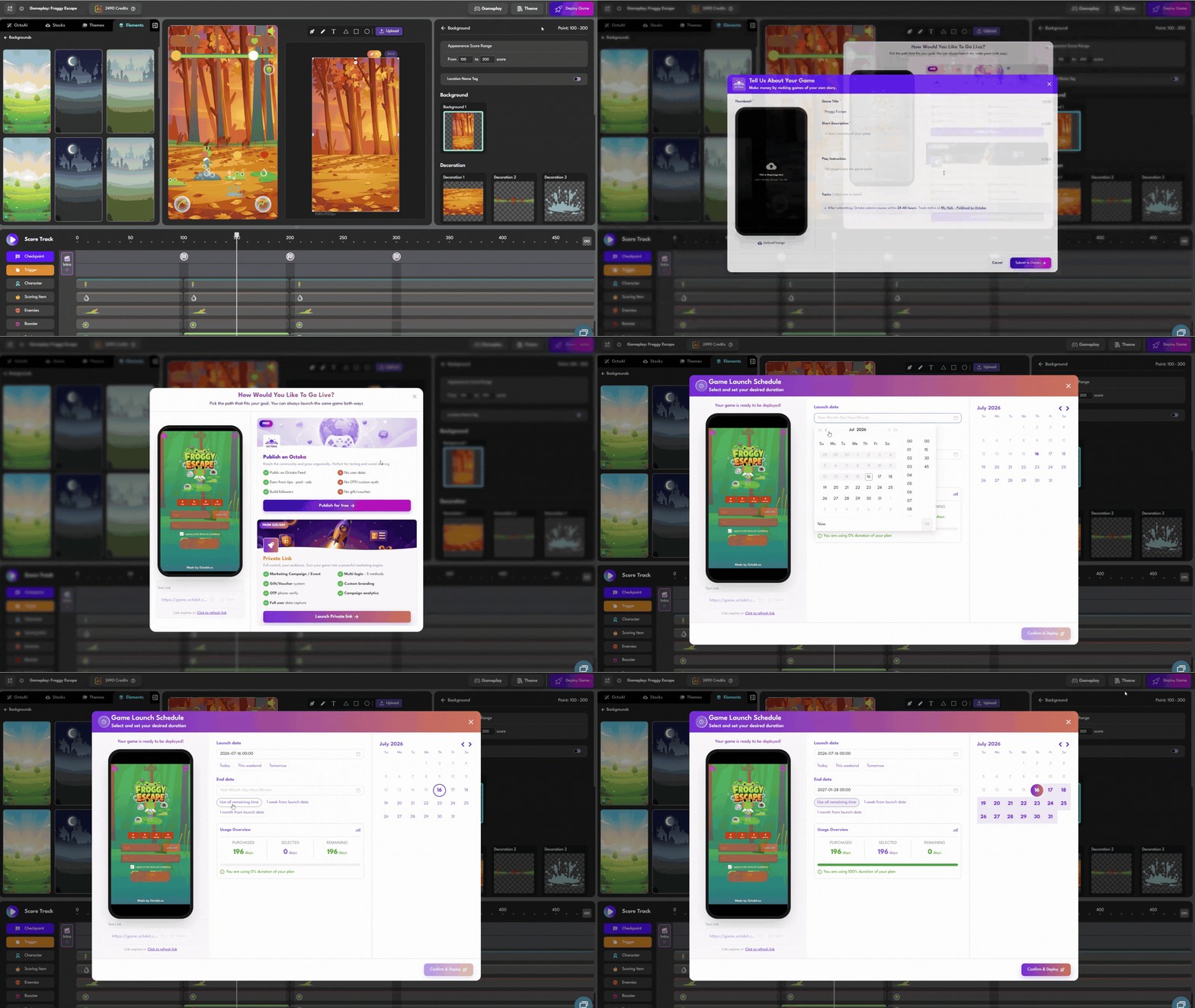
Play test the complete journey from Level 1 to the final stage, paying close attention to the difficulty progression between levels. Once verified, publish your game instantly across web browsers, mobile platforms, and social media channels.
Conclusion
Text to Game does more than just speed up development—it enables brands to tell richer, longer stories with ample room for product integration, engagement, and rewards. Write your story in chapters, let AI build the framework, and refine it into a high-converting campaign.
Want to explore live campaigns? Check out the Octokit portfolio. Or start with OctoAI today and turn your brand story into a multi-level marketing game in an afternoon.

 Back
Back