


The 50th New Year wish of the day will get ignored. So what will people actually click on?
The first day of Tet 2027 falls on February 6th, and audiences will be bombarded with Tet advertising from early January. Below are 7 Tet marketing trends worth adding to your strategy, complete with real-world examples and execution tips. If you don’t have a plan yet, check out the 30-day checklist for your Tet 2027 marketing plan.
1. Personalized Greetings
-
Example: A confectionery brand lets users input a loved one’s name to generate a custom, personalized holiday greeting tailored specifically for them.
-
How to Apply: Ask for only 1 or 2 basic details, such as a name and relationship. Asking for too much information will cause users to drop off immediately.
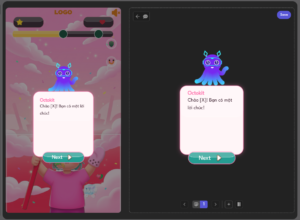
2. Storytelling About Reunions Over Product Hard-Selling
-
Example: A short video centered around a year-end family dinner, where the product appears naturally on the dining table as a seamless part of the reunion.
-
How to Apply: Pick a genuine Tet moment, then let your product act as a supporting character. Need more storytelling inspiration? Check out how to design a story-driven game.

3. Nostalgic Tet Traditions
-
Example: A beverage brand uses classic imagery of traditional flower markets, Tet folk paintings, and iconic folk games.
-
How to Apply: Choose one recognizable cultural icon and frame it with a modern tone of voice. Avoid cluttering a single campaign with too many nostalgic elements at once.

4. Digital Red Envelopes & Rewards
-
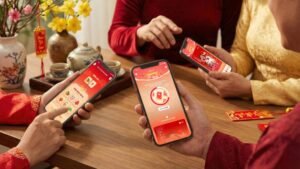
Example: A food delivery app distributes promotional vouchers styled as digital “lucky money envelopes” (Lì Xì).
-
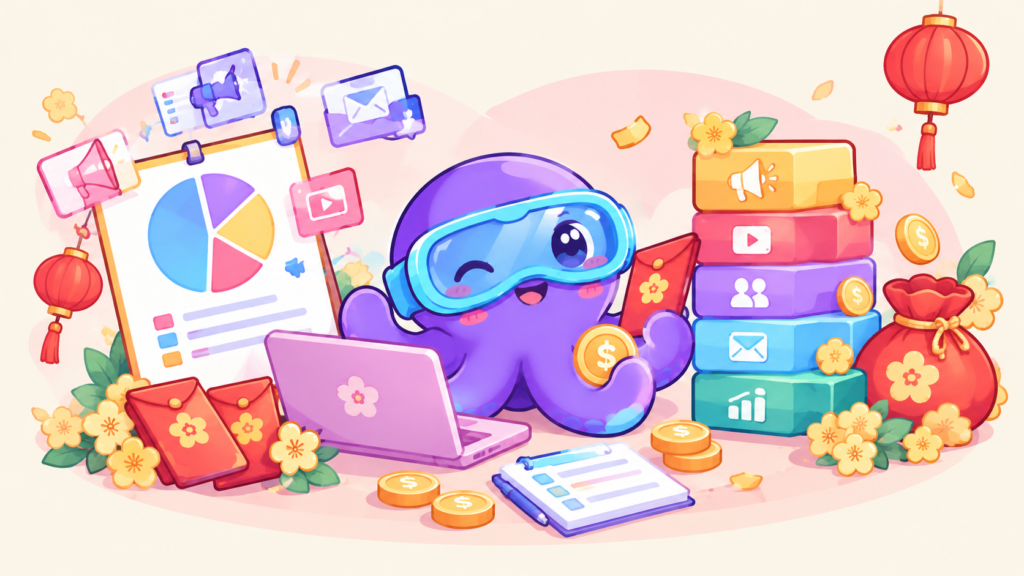
How to Apply: Issue digital vouchers with clear expiration dates and limited availability. For larger campaigns, combine multiple reward tiers using a reward management system.
5. Micro-Creators & Authentic Stories
-
Example: A fashion brand partners with a network of micro-creators, allowing each creator to share their own authentic way of celebrating Tet.
-
How to Apply: Select creators whose communities align closely with your target audience, and provide an open brief so the content feels organic and relatable.
6. Season-Long Campaigns
-
Example: A brand runs a countdown campaign from early January to Lunar New Year’s Day, dropping new interactive content or rewards every week.
-
How to Apply: Structure your campaign into 3 distinct phases: Teaser, Peak, and Post-Tet. A consistent pace retains audience attention far longer than a single one-off push.
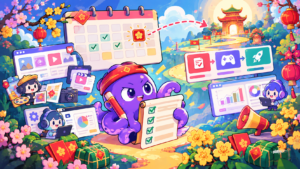
➤ Season-long campaigns need to be finalized in November, as outlined in the checklist above.
7. Interactive Experiences
This is the answer to the question at the start of this article. When every brand is sending holiday wishes, the thing people actually click on is the experience they get to play.
-
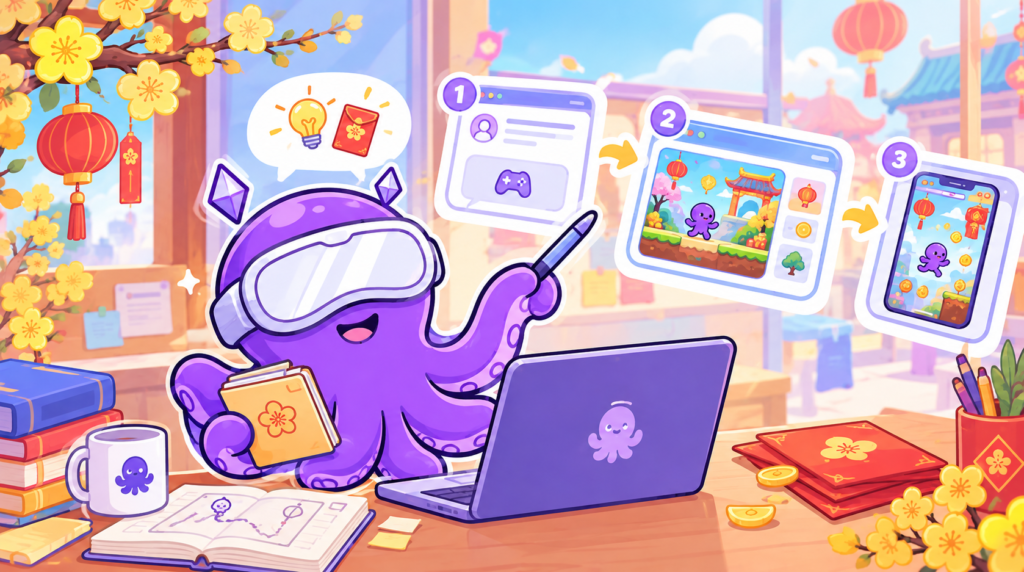
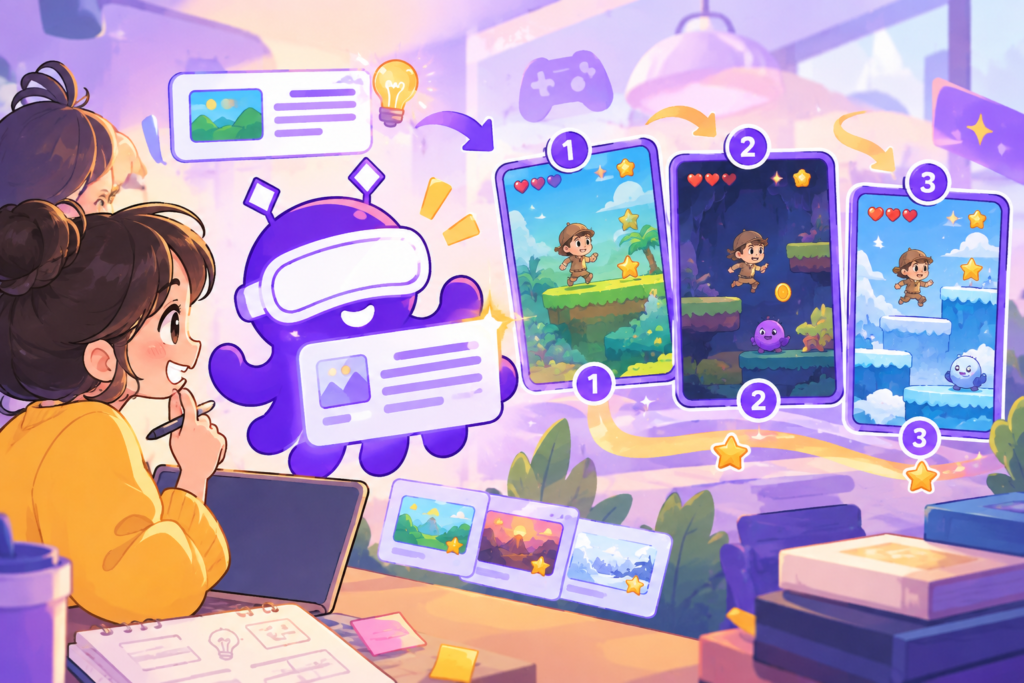
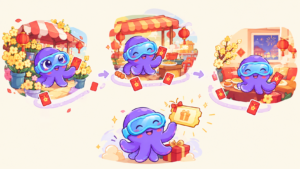
Example: A brand mascot navigates through 3 stages: the Flower Market, the Food Street, and the Reunion Home. Players collect lucky envelopes at each stage, unlocking a major discount voucher upon completing all 3 stages.
How to Apply:
-
Choose a simple core mechanic: dodging obstacles, matching tiles, or collecting items.
-
Attach rewards directly to milestone stages instead of forcing users to fill out forms right away.
-
Enable daily check-in streaks and real-time leaderboards to drive return visits.
-
To generate a quick prototype, try creating a minigame with AI and then refine it.
This is the core direction of gamification marketing: turning passive viewers into active players. If you want to capture more qualified leads inside your game, explore how to collect leads via games.
Conclusion
Personalized greetings, storytelling, nostalgia, digital rewards, micro-creators, season-long campaigns, and interactive experiences: you don’t need to do all seven. Pick 2 or 3 trends that best align with your goals and budget, then execute them exceptionally well.
For Trend #7, you don’t need a development team. With Octokit’s no-code drag-and-drop editor, you can build a fully branded game and have a working demo ready well before Tet arrives. Check out live examples in the Octokit portfolio.
 Back
Back